






What's Happening?
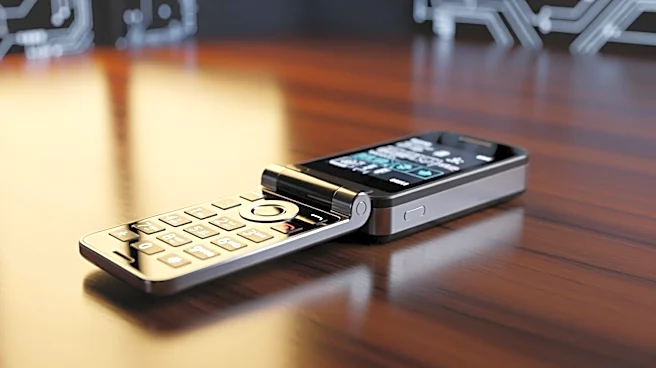
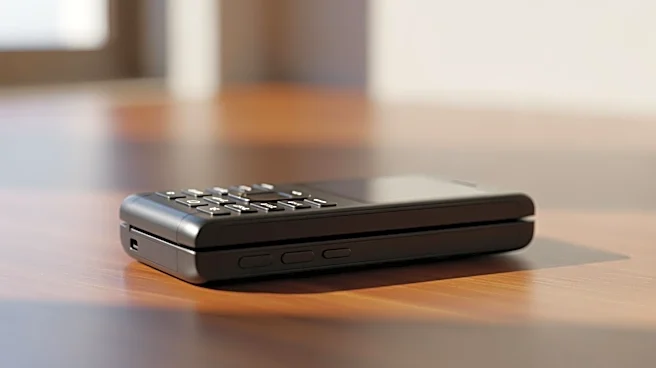
Commodore International has launched its new flip phone, the Callback 8020, priced at $500. The announcement has been met with skepticism, as a poll revealed that 82% of respondents would not purchase the device. Commodore has responded to criticisms
by emphasizing the unique design and features of the Callback, which include a bespoke Commodore PCB, a 48-megapixel Sony camera, and a custom Linux-based operating system. The company argues that the phone is not a rebadged cheap device but a high-quality product designed for a 'digital detox.' Commodore also highlights the challenges of manufacturing at a small scale, which affects pricing.
Why It's Important?
The launch of the Callback 8020 highlights a niche market for high-end feature phones aimed at consumers seeking a break from the constant connectivity of smartphones. Commodore's approach challenges the prevailing trend of ever-increasing smartphone capabilities and prices. The company's emphasis on quality and bespoke features could appeal to consumers interested in unique, non-mainstream technology products. However, the high price point may limit its market appeal, especially when cheaper alternatives are available. This development reflects broader trends in consumer electronics, where companies are exploring diverse product offerings to cater to varied consumer preferences.
What's Next?
Commodore's success with the Callback 8020 will depend on its ability to convince consumers of the value of a high-priced feature phone. The company may need to engage in targeted marketing to reach potential buyers who value digital minimalism. Additionally, Commodore might explore partnerships with service providers to offer subsidies, making the device more accessible. The reception of the Callback could influence future product development strategies, potentially leading to more companies exploring niche markets within the tech industry.
Beyond the Headlines
The introduction of the Callback 8020 raises questions about consumer behavior and the cultural conditioning towards technology. Commodore's challenge to the 'newest, fastest, latest' mindset invites a reevaluation of what consumers value in their devices. This could spark a broader conversation about technology's role in daily life and the potential benefits of digital detoxification. The company's focus on bespoke design and quality over mass production may also inspire other tech firms to consider similar approaches, potentially leading to a diversification of product offerings in the market.