






What's Happening?
Amazon is facing criticism from San Diego city and union leaders for allegedly using Crown Point Shores, a public park, as a package transfer site for its new on-foot delivery service without proper permission or permits. Councilmember Sean Elo-Rivera
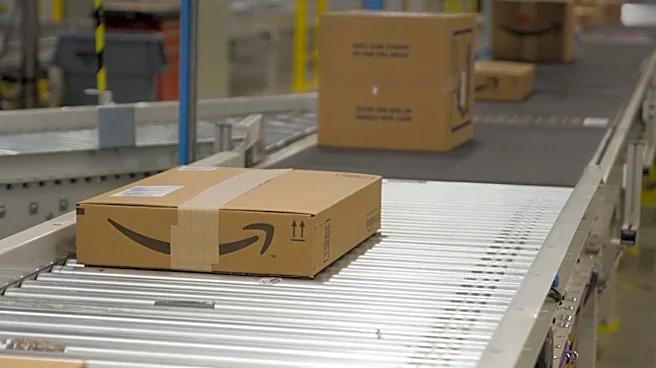
questioned how Amazon could mistakenly use a public park as a distribution center, emphasizing that public spaces should remain available for residents, not as free warehouse space for corporations. Amazon stated that the use of Crown Point Shores was due to a miscommunication and that the issue has since been corrected. The company recently launched an on-foot delivery service in San Diego, which involves setting up a base camp in a neighborhood and having workers deliver packages door-to-door to reduce noise and traffic. However, city officials and union leaders are concerned about the precedent set by Amazon's actions and the potential impact on local businesses.
Why It's Important?
This incident highlights a broader issue of corporate accountability and the appropriate use of public resources. The unauthorized use of a public park by a large corporation like Amazon raises questions about equitable access to public spaces and adherence to local regulations. For local and small businesses, this situation exacerbates an already uneven playing field, as they are required to navigate permits and costs for commercial use of public property, while Amazon allegedly bypassed these requirements. The backlash from city and union leaders underscores the importance of maintaining public trust and ensuring that all entities, regardless of size, operate within established legal frameworks. It also brings to light the challenges local governments face in regulating the operations of large e-commerce companies within their jurisdictions.
What's Next?
Amazon has stated that it has corrected the error and implemented safeguards to prevent similar incidents in the future. The company also expressed its commitment to working closely with local officials as it continues to roll out its on-foot delivery program in San Diego. City officials and union leaders will likely continue to monitor Amazon's operations to ensure compliance with local regulations and prevent further unauthorized use of public property. This event may prompt increased scrutiny of how large companies utilize public spaces for commercial activities and could lead to clearer guidelines or stricter enforcement mechanisms to protect public assets and support fair competition for local businesses.
Beyond the Headlines
Beyond the immediate controversy, this situation touches upon the evolving landscape of urban logistics and the impact of e-commerce on city infrastructure and public life. As companies like Amazon innovate with new delivery methods, cities must adapt their regulatory frameworks to address potential challenges, such as the commercialization of public spaces. The incident also reflects a tension between the convenience offered by rapid delivery services and the preservation of community spaces and local business ecosystems. It prompts a deeper conversation about the social responsibility of large corporations and their role in contributing to, rather than detracting from, the quality of urban environments. The public's reaction and the stance of local leaders could influence future policies regarding commercial activities in public parks and the broader integration of e-commerce logistics into urban planning.