








What's Happening?
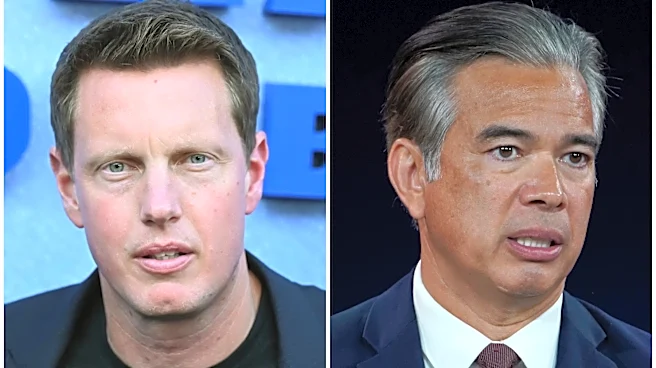
California Attorney General Rob Bonta has canceled planned settlement talks with Paramount, accusing the media giant of acting in bad faith by leaking and mischaracterizing details from preliminary discussions. This development comes as Paramount is reportedly
considering relocating its headquarters out of California, with Tennessee emerging as a preferred destination, if its antitrust battle over the Warner Bros. Discovery acquisition is not resolved. Bonta's office stated that Paramount's alleged actions demonstrated a lack of good faith, though Paramount has denied being the source of the leaks. The canceled meeting was intended to explore potential paths toward resolving the dispute, which involves California and 11 other states suing to block the merger on antitrust grounds, arguing it would reduce competition in theatrical movie distribution and basic cable programming. The Justice Department had previously cleared the transaction in June without legal action, and Paramount has secured regulatory clearance in major international jurisdictions.
Why It's Important?
This situation highlights significant tensions between state regulatory bodies and major corporations, particularly concerning antitrust enforcement and its impact on business operations and regional economies. The potential relocation of Paramount's headquarters from California to Tennessee underscores the economic stakes involved, as such a move would result in job losses and a diminished tax base for California, while offering economic benefits to the receiving state. The dispute also brings into focus the differing approaches to antitrust regulation between federal and state authorities, as the Justice Department cleared the merger while state attorneys general are actively challenging it. The ongoing legal battle and the threat of relocation could influence future corporate merger strategies and the willingness of companies to engage in protracted legal disputes with state governments. Furthermore, the involvement of California Governor Gavin Newsom and Los Angeles Mayor Karen Bass in urging a resolution indicates the broad political and economic implications of this standoff for the state's entertainment industry.
What's Next?
The immediate next step involves the resolution of the antitrust lawsuit filed by California and 11 other states against Paramount regarding its acquisition of Warner Bros. Discovery. With settlement talks canceled, the legal proceedings are expected to continue, potentially leading to a trial scheduled for March. Paramount faces increasing financial pressure, as the merger agreement stipulates additional payments to Warner Bros. shareholders if the transaction is not closed by October 1, with these costs estimated at approximately $650 million per quarter. This financial burden adds urgency to Paramount's threat to relocate its headquarters if the dispute remains unresolved. Major stakeholders, including political leaders in California, will likely continue to press for a resolution to prevent Paramount's potential exodus. Paramount may also continue to explore alternative locations for its headquarters, such as Tennessee, Texas, and Georgia, depending on the outcome of the legal battle and the financial implications of further delays.
Beyond the Headlines
This dispute extends beyond a typical antitrust case, touching upon broader themes of corporate accountability, state sovereignty in regulatory matters, and the evolving landscape of the media industry. The accusation of bad faith in negotiations raises questions about transparency and ethical conduct in high-stakes corporate dealings. The potential move of a historic media company like Paramount from its long-standing home in Los Angeles could signal a shift in the geographic concentration of the entertainment industry, potentially decentralizing power and influence. This situation also highlights the increasing assertiveness of state attorneys general in challenging corporate mergers, even when federal regulators have given their approval, suggesting a more fragmented and complex regulatory environment for large corporations. The economic incentives offered by other states, such as Tennessee, to attract major businesses could lead to a competitive environment among states vying for corporate headquarters, impacting regional development strategies and tax policies.