






What's Happening?
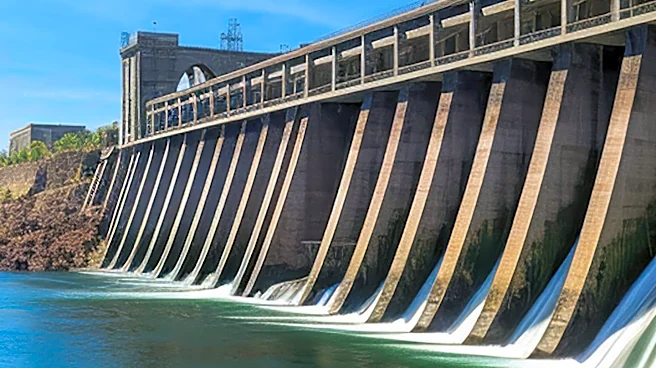
U.S. Ambassador to Guyana, Nicole Theriot, has indicated that the Amaila Falls Hydropower Project may require updated environmental and feasibility studies before it can secure financing from U.S. institutions, including the United States Export-Import
Bank (US EXIM). Ambassador Theriot explained that financial institutions operating under Organisation for Economic Co-operation and Development (OECD) regulations, such as US EXIM, mandate thorough feasibility and environmental assessments. While an American firm previously conducted an Environmental Impact Assessment (EIA) for the project, it was completed over a decade ago, with further studies and addendums up to 2013. The Ambassador noted that updating these existing studies would likely be less expensive and time-consuming than conducting entirely new ones. The Guyanese government is eager to commence construction, having received bids from reputable companies, including U.S. firms, for the Build-Own-Operate-Transfer (BOOT) model project, which aims for a minimum installed capacity of 165 MW.
Why It's Important?
The potential requirement for updated environmental and feasibility studies for the Amaila Falls Hydropower Project highlights the U.S.'s commitment to responsible and sustainable development practices in its international financing endeavors. For U.S. financial institutions like US EXIM, adhering to OECD standards is crucial for mitigating risks and ensuring the long-term viability and environmental integrity of projects they support. This stance could influence how other international lenders approach similar large-scale infrastructure projects, potentially setting a higher bar for environmental and social governance. For Guyana, meeting these updated study requirements is essential to unlock U.S. financing, which could be a significant boost for the long-delayed project. The project's success is vital for Guyana's energy independence and economic development, as it aims to provide reliable electricity and reduce reliance on fossil fuels. However, the need for additional studies could introduce further delays and costs, potentially impacting the project's timeline and overall budget.
What's Next?
The immediate next step for the Amaila Falls Hydropower Project will involve the Guyanese government and potential bidders addressing the need for updated environmental and feasibility studies. While Ambassador Theriot suggested that updating existing assessments would be more efficient than starting anew, the responsibility for these updates will likely fall on the company that wins the bid for the project. The National Procurement and Tender Administration Board (NPTAB) is currently evaluating bids, and President Irfaan Ali has indicated that negotiations will proceed with the best-ranked bidders who can meet economic and energy cost objectives. The involvement of the U.S. International Development Finance Corporation (DFC) as a potential financier, alongside US EXIM, further emphasizes the importance of meeting these stringent regulatory requirements. The outcome of these studies and subsequent financing decisions will determine the project's future trajectory and its ability to deliver much-needed power to Guyana.
Beyond the Headlines
The Amaila Falls Hydropower Project's reliance on updated environmental and feasibility studies reflects a growing global emphasis on sustainable infrastructure development and climate resilience. The project has faced historical criticisms regarding its design, environmental implications, and ability to deliver consistent electricity, particularly during dry seasons. The U.S.'s insistence on updated studies underscores a broader shift towards integrating environmental and social safeguards into international development financing. This approach not only protects ecosystems but also ensures that projects are economically sound and resilient to climate change impacts. For Guyana, successfully navigating these requirements could enhance its reputation as a responsible partner for international investment, attracting further capital for sustainable development initiatives. Conversely, failure to meet these standards could jeopardize U.S. financing and potentially deter other environmentally conscious investors, highlighting the critical balance between economic development and environmental stewardship.