








What's Happening?
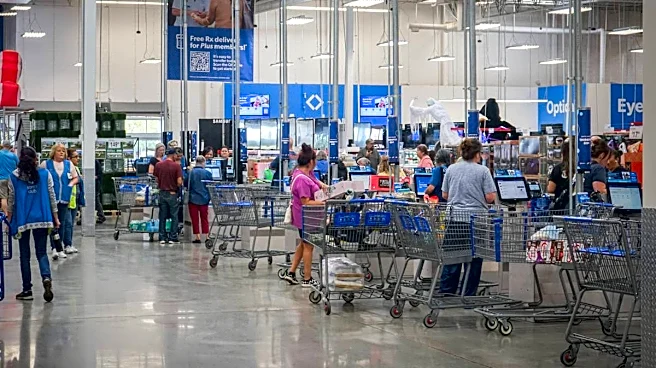
Grocery stores across the U.S. are employing various methods to manage unsold bakery items at the end of the day, aiming to reduce food waste. These strategies include marking down prices for clearance, donating suitable leftover bread to organizations
like Feeding America, and repurposing older products. For instance, a self-identified employee on Reddit noted that Sam's Club marks down unsold inventory, while Kroger offers clearance bakery items in the morning. Some stores, such as Costco, primarily donate their leftover bakery goods. Whole Foods has also committed to solutions for preventing food waste, including donating or repurposing bakery items. While some bread inevitably gets discarded, many retailers are actively seeking ways to ensure that less-than-fresh but still edible products are either sold, donated, or repurposed, sometimes even for compost or animal feed through programs like Loop.
Why It's Important?
The efforts by grocery stores to reduce bakery food waste have significant implications for environmental sustainability, food security, and consumer economics. By minimizing discarded bread, stores contribute to reducing landfill waste and the associated environmental impact. Donations to food banks and programs like Feeding America help address food insecurity by providing edible, albeit older, products to those in need. For consumers, discounted bakery items offer more affordable options, potentially benefiting lower-income households. The repurposing of bread into other products or for animal feed also creates a more circular economy within the food industry. These initiatives reflect a growing awareness and commitment within the retail sector to operate more sustainably and responsibly, impacting both their bottom line and their community relations.
What's Next?
The trend of grocery stores implementing diverse strategies to reduce food waste is expected to continue and potentially expand. Consumers can anticipate more widespread availability of discounted bakery items, particularly in the mornings or evenings, as stores refine their markdown schedules. Partnerships between grocery chains and food donation organizations are likely to strengthen, leading to more efficient collection and distribution of surplus food. Furthermore, innovative repurposing methods, such as converting old bread into new products or animal feed, may become more common as stores seek to maximize the value of their inventory. Regulatory pressures and consumer demand for sustainable practices could also drive further investment in technologies and logistics aimed at minimizing food waste across the entire supply chain.
Beyond the Headlines
Beyond the immediate benefits of waste reduction and food provision, these initiatives highlight a broader shift in corporate responsibility within the retail sector. The focus on reducing food waste touches upon ethical considerations regarding resource allocation and the environmental footprint of large corporations. It also underscores the potential for businesses to integrate social good into their operational models, moving beyond traditional profit motives. The varying policies among different grocery stores suggest a competitive landscape where sustainability practices could become a differentiator, influencing consumer choice. This movement could also inspire other industries to re-evaluate their waste management practices, fostering a more resource-efficient economy and promoting a cultural shift towards valuing and utilizing food resources more completely.