






What's Happening?
The Consumer Goods Forum's (CGF) Plastic Waste Coalition of Action, a group comprising over 40 retailers, manufacturers, and converters, is promoting a transition to a circular economy for plastics packaging. The coalition, founded in 2020, focuses on reducing
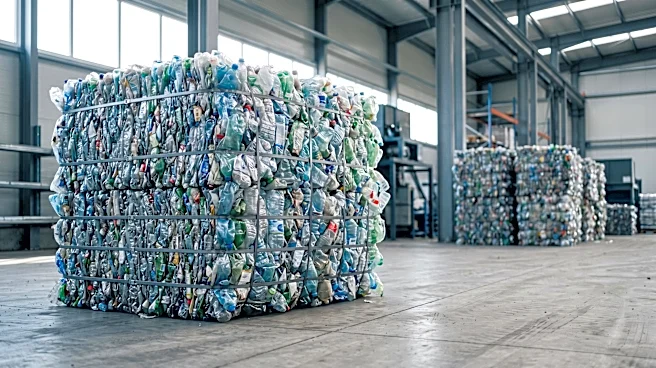
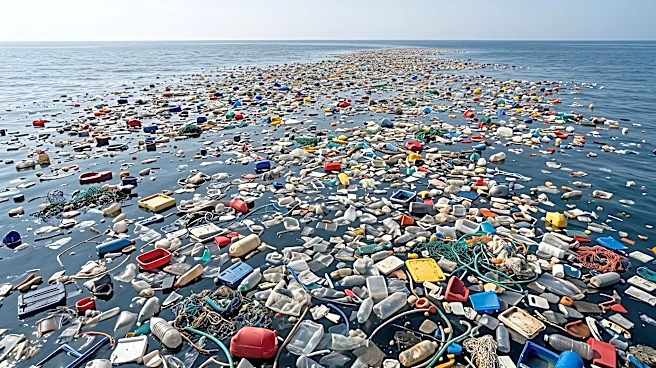
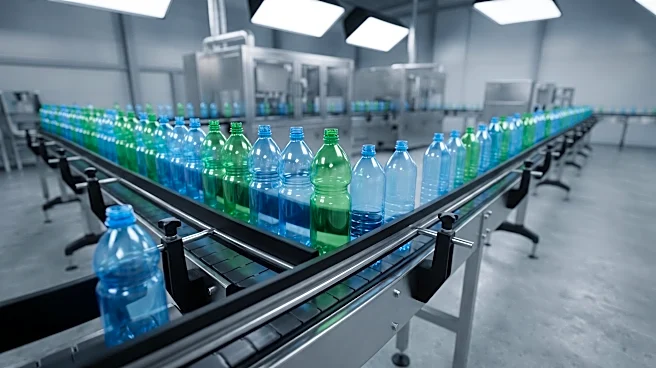
plastic waste, increasing the use of recyclable plastics, and advancing circular systems. A recent advisory paper from the coalition highlights that thoughtful packaging design can significantly improve recycling outcomes, reduce plastic pollution, and enhance the livelihoods of millions of informal waste workers in low- and middle-income countries (LMICs). Poorly designed packaging, which often includes mixed materials, problematic labels, or hard-to-remove components, reduces the value of recyclable materials, directly impacting the earnings of these workers who collect and sort approximately 27 million metric tons of plastic waste annually, accounting for about 60% of all plastics recovered for recycling globally. The report suggests that simple design choices, such as using uncolored PET bottles or transparent blue or green PET, and compatible labels, adhesives, inks, closures, liners, and seals, can make packaging easier and more valuable to collect and recycle.
Why It's Important?
This initiative is important for the U.S. and global industries as it addresses the pervasive issue of plastic waste and its economic and social implications. By advocating for better packaging design, the coalition aims to create more efficient and inclusive waste management systems. The emphasis on improving the recyclability of plastics directly impacts the supply chain for recycled materials, potentially reducing reliance on virgin plastics and fostering a more sustainable economy. For businesses, adopting these design principles can lead to compliance with evolving environmental regulations and consumer preferences for sustainable products. Furthermore, the report underscores the critical role of informal waste workers, particularly in LMICs, in the global recycling infrastructure. By increasing the value of collected materials, better design can improve their economic stability and working conditions, contributing to social equity within the global supply chain. The insights from this coalition can inform U.S. companies operating internationally or sourcing materials from regions where informal waste collection is prevalent, encouraging responsible practices and potentially influencing domestic packaging standards.
What's Next?
The Consumer Goods Forum's Plastic Waste Coalition of Action will continue to promote its advisory paper and recommendations to its extensive network of members, which includes chief executives and senior management from approximately 400 retailers, manufacturers, service providers, and other stakeholders across 70 countries. The goal is to encourage the global adoption of these packaging design practices. Businesses are expected to review their current packaging strategies and consider implementing the suggested design changes to enhance recyclability and support circular economy principles. The coalition's efforts will likely lead to increased collaboration between packaging designers, manufacturers, and waste management sectors to develop and implement more effective recycling systems. Additionally, the focus on informal waste workers in LMICs suggests potential future initiatives aimed at formalizing and supporting these critical contributors to the recycling economy, possibly through partnerships and investment in infrastructure that facilitates better material recovery and fair compensation.
Beyond the Headlines
The push for improved packaging design by the Consumer Goods Forum's Plastic Waste Coalition of Action extends beyond mere environmental benefits, touching upon significant ethical and economic dimensions. The report implicitly highlights the global disparity in waste management infrastructure and the reliance on vulnerable populations for recycling efforts. By making packaging easier to recycle, the initiative not only reduces environmental pollution but also aims to uplift the economic status of millions of informal waste workers, many of whom operate in precarious conditions. This move could trigger a broader shift in corporate social responsibility, compelling companies to consider the full lifecycle impact of their products, including the social welfare of those involved in waste collection and processing. It also underscores the potential for design to be a powerful tool for social change, demonstrating how seemingly technical decisions can have profound human impacts. The long-term implication is a more equitable and sustainable global economy where product design is intrinsically linked to both environmental stewardship and social justice.