







What's Happening?
Rachel Levy, head of retail, lifestyle, and CPG at Snap UK, discusses the evolving shopping habits of Gen Z, emphasizing their preference for in-store experiences over online transactions. According to a report by Snapchat and Portas, 51% of Gen Z prefer in-store shopping for the experience,
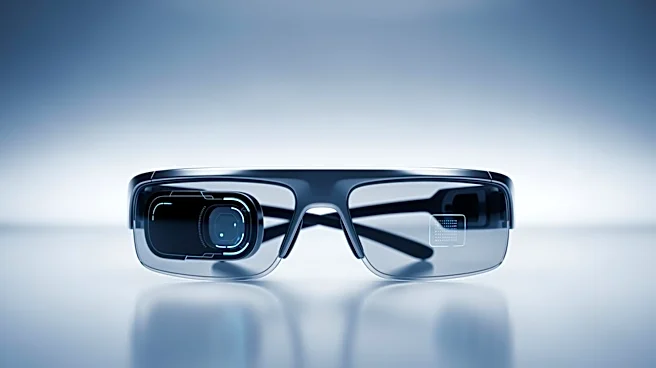
challenging the notion that this generation is predominantly online-focused. The report, developed with YouGov, surveyed over 2,000 consumers and found that Gen Z values social, experiential, and memory-making aspects of shopping. Levy explains that Snapchat is helping brands view shopping as a social experience, rather than just a transaction, by integrating augmented reality (AR) to enhance product discovery and validation. The study also reveals that 83% of Gen Z send photos or videos of products to friends or family before purchasing, highlighting the social nature of their shopping journeys.
Why It's Important?
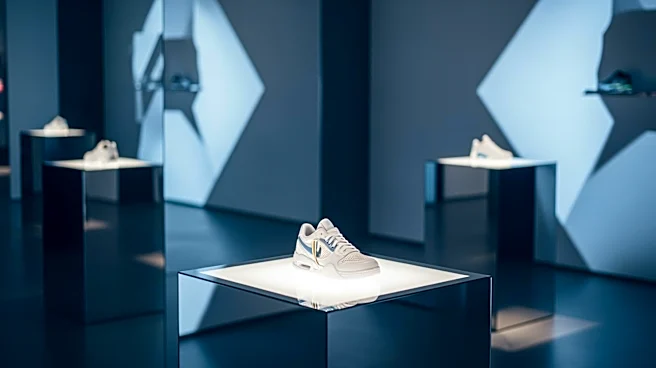
The insights from Snapchat's report underscore a significant shift in retail strategies, as brands must adapt to Gen Z's desire for meaningful and social shopping experiences. This generation's preference for in-store interactions presents opportunities for retailers to enhance their physical presence and integrate digital tools like AR to create engaging experiences. The findings suggest that brands focusing solely on online transactions may miss out on connecting with Gen Z consumers who value shared experiences and social validation. Retailers that successfully blend digital and physical shopping elements can potentially capture a larger share of this demographic's spending.
What's Next?
Retailers are likely to continue exploring ways to integrate digital technologies like AR into their in-store experiences to cater to Gen Z's preferences. As Snapchat positions itself at the center of these social shopping experiences, other platforms may follow suit, developing features that facilitate product discovery and social interaction. Brands may also need to rethink their marketing strategies to emphasize the experiential and social aspects of shopping, potentially leading to collaborations with social media platforms to reach Gen Z consumers more effectively.