







What's Happening?
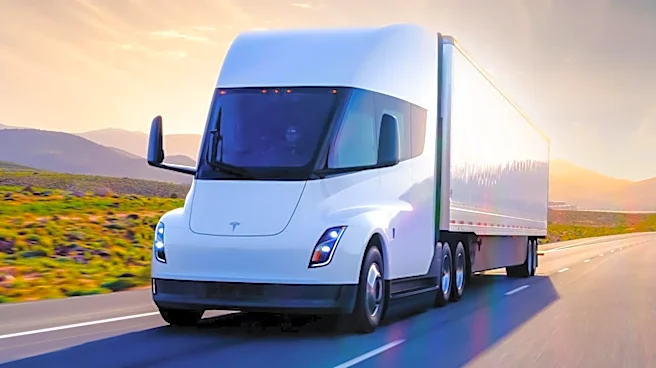
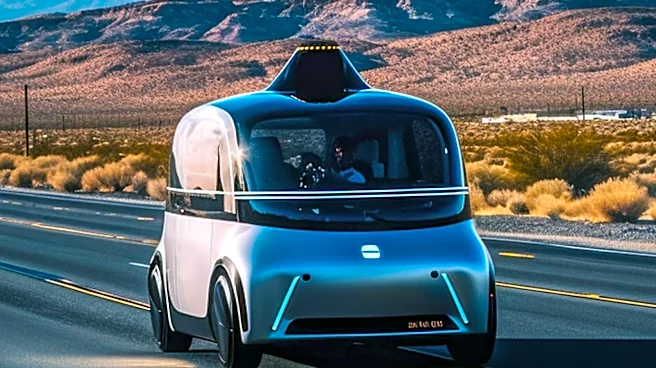
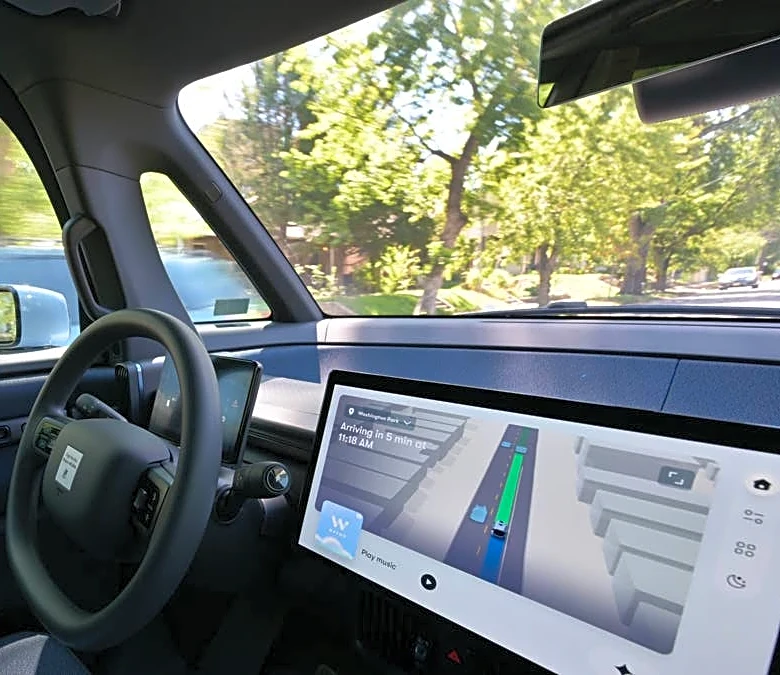
The Nevada Transportation Authority has unanimously approved three permits allowing Tesla, Uber, and Waymo to operate commercial robotaxi services in Clark County, which includes Las Vegas. These permits collectively authorize the deployment of up to 8,000
robotaxis across the county over the next 12 months. Specifically, Tesla's permit allows for up to 5,000 robotaxis, while Waymo and Uber (through partnerships with Hyundai subsidiary Motional and Zoox) are each permitted to operate up to 1,000 autonomous vehicles. Zoox already holds a permit for 100 robotaxis. Despite the high number of authorized vehicles, representatives from these companies, including Tesla's Cybercab chief engineer Eric Early, indicated that they do not expect to deploy the full permitted amount within the next year, with Tesla aiming for around 2,500 vehicles. This move positions Clark County, particularly Las Vegas, as a significant battleground for robotaxi services, with these major players competing for riders.
Why It's Important?
This development marks a significant step in the widespread adoption of autonomous vehicle technology in the United States, particularly within the commercial transportation sector. The potential deployment of thousands of robotaxis in a major metropolitan area like Las Vegas could profoundly impact the local economy and workforce. While proponents argue for the creation of new jobs in vehicle maintenance, charging, and cleaning, representatives from the Livery Operators Association and local taxi companies have expressed grave concerns. They argue that this rapid deployment could lead to an oversaturation of the commercial transportation industry and increased congestion on roadways, particularly in high-traffic areas like the 'Golden Triangle' between the airport and Las Vegas Boulevard. The outcome in Nevada could serve as a blueprint or cautionary tale for other U.S. cities considering similar large-scale robotaxi integrations, influencing regulatory frameworks and public perception of autonomous transportation nationwide.
What's Next?
The immediate next step will be the gradual deployment of robotaxis by Tesla, Uber (via Motional and Zoox), and Waymo in Clark County. While the permits allow for up to 8,000 vehicles, the companies anticipate a more conservative rollout, with Tesla aiming for approximately 2,500 within the first year. This phased introduction will likely involve ongoing testing, refinement of autonomous driving systems, and the establishment of necessary infrastructure for maintenance and charging. The Nevada Transportation Authority and local government will closely monitor the impact of these services on traffic, public safety, and the existing transportation workforce. Reactions from traditional taxi and ride-sharing drivers, as well as labor unions, are expected to continue, potentially leading to further advocacy for regulations or protections. The success or challenges encountered in Las Vegas will undoubtedly influence regulatory decisions and public acceptance of robotaxis in other major U.S. cities.
Beyond the Headlines
The introduction of thousands of robotaxis in Las Vegas extends beyond mere transportation logistics, touching upon profound societal and ethical considerations. The debate over job displacement versus job creation highlights the broader economic shifts brought about by automation, forcing communities to confront how to manage transitions for workers in industries undergoing technological disruption. Furthermore, the concentration of autonomous vehicles in a high-density tourist area like Las Vegas will serve as a real-world laboratory for examining public trust in AI-driven systems, the legal implications of accidents involving self-driving cars, and the potential for new forms of urban planning and infrastructure development. The 'Goldilocks option' proposed by Uber, advocating for a hybrid model of human and robotaxi drivers, suggests a potential pathway for integrating these technologies that could mitigate immediate job losses and allow for a more gradual societal adaptation to autonomous transportation.