


What's Happening?
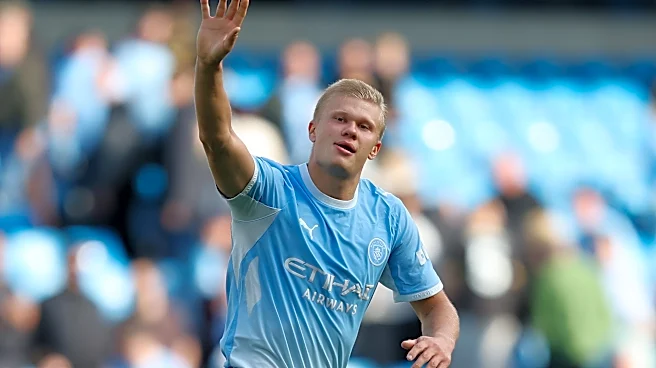
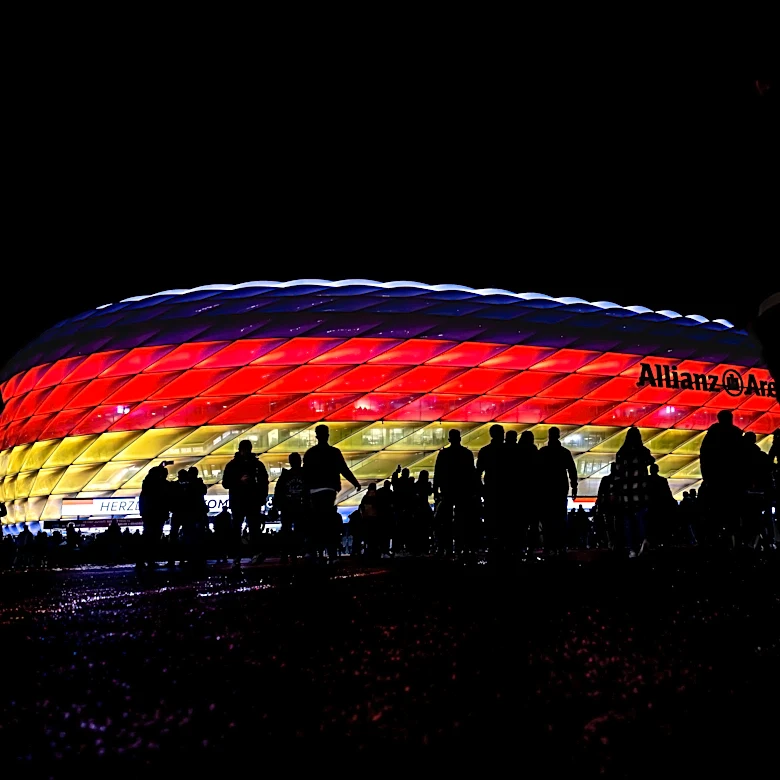
Manchester City is set to navigate a demanding schedule in November 2026, with key matches in both the UEFA Champions League and the Premier League. The month begins with an away Champions League fixture against RB Leipzig on November 4. Following this,
the team will return to Premier League action, traveling to face Nottingham Forest on November 7. After an international break, club football resumes on November 21 with Manchester City hosting Fulham. The Champions League duties will then continue with a home match against Napoli on November 24. The month concludes with a significant Premier League encounter against Arsenal in North London on November 29. Manager Enzo Maresca is expected to rotate his squad to manage player fitness and energy levels, especially after the team experienced its first defeats in both the Champions League and Premier League in October.
Why It's Important?
These upcoming fixtures are crucial for Manchester City's ambitions in the 2026/2027 season, as they aim to remain competitive on multiple fronts. The Champions League matches against RB Leipzig and Napoli are vital for securing a strong position in the group stage and potentially avoiding additional play-off matches in January 2027. Success in these European ties is essential for the club's financial standing and global brand, as deep runs in the Champions League generate significant revenue and prestige. Domestically, the Premier League clashes, particularly against Arsenal, will have a direct impact on their title challenge. Maintaining a strong league position is paramount for securing future Champions League qualification and upholding the club's status as a top-tier English team. The strategic rotation of players by manager Enzo Maresca highlights the increasing physical demands on elite football players and the importance of squad depth in modern football.
What's Next?
Following the November fixtures, Manchester City will face a packed schedule in December and January, with matches continuing to come 'thick and fast.' The team has already secured a spot in the Carabao Cup quarter-finals, where they will face League One side Bradford City in mid-December. The results of the November Champions League matches will determine their path in the competition, potentially leading to automatic knockout phase qualification or additional play-off games. Domestically, their performance in the Premier League will set the tone for the remainder of the season, influencing their standing in the title race. Manager Enzo Maresca's ongoing strategy of squad rotation will be critical to ensure player fitness and energy are maintained as they continue to challenge for silverware across various competitions in his inaugural campaign.
Beyond the Headlines
The intense fixture congestion faced by top European football clubs like Manchester City raises broader discussions about player welfare and the sustainability of the current football calendar. The need for managers to constantly rotate squads underscores the physical toll on athletes, potentially impacting their long-term careers and increasing injury risks. This situation also highlights the growing commercial pressures on clubs to compete in multiple high-profile competitions, balancing sporting ambition with player health. The strategic decisions made by clubs regarding squad management and player rotation could influence future trends in football, potentially leading to changes in competition formats or increased squad sizes to mitigate these challenges. The performance of Manchester City in these critical periods often serves as a benchmark for other clubs, influencing tactical approaches and transfer market strategies across the sport.