





What's Happening?
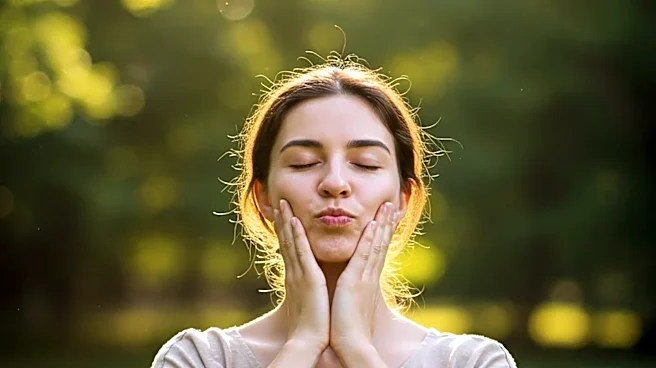
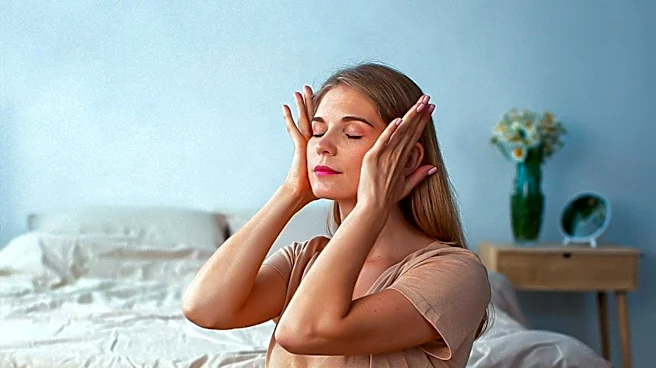
Face yoga is gaining recognition as a practice that can lead to a more relaxed facial appearance, heightened awareness of facial tension, and improved circulation. This self-care ritual, often involving short, five-minute sessions, focuses on controlled
facial movements, stretches, and breathing techniques. The core idea is to deliberately engage and relax the numerous muscles in the face and neck, which are distinct from other body muscles due to their direct connection with expressions and skin movement. Proponents suggest that consistent practice can help individuals become more aware of how they use their facial muscles throughout the day, potentially reducing habitual tension in areas like the forehead, jaw, and cheeks. While it is presented as a beneficial addition to a wellness routine, it is crucial to understand that face yoga is not a quick fix for altering facial structure or halting the natural aging process. Its benefits are primarily associated with muscle tone, circulation, and relaxation rather than dramatic physical transformations.
Why It's Important?
The growing interest in face yoga highlights a broader societal trend towards natural and non-invasive wellness practices. For individuals seeking alternatives or complements to traditional cosmetic procedures, face yoga offers an accessible and low-cost option. Its emphasis on self-awareness and relaxation can contribute to overall well-being, potentially reducing stress-related facial tension. However, it's important for consumers to have realistic expectations. Misinformation or exaggerated claims about face yoga's ability to drastically change facial shape or eliminate wrinkles could lead to disappointment and distrust in wellness trends. The practice's true value lies in its potential to improve facial muscle tone and circulation, offering a refreshed appearance and promoting mindful self-care. This trend also impacts the beauty and wellness industry, encouraging a focus on holistic approaches that integrate physical exercises with mental and emotional well-being, rather than solely relying on external products or procedures.
What's Next?
As face yoga continues to gain traction, further research will be essential to scientifically validate its long-term effects and differentiate realistic benefits from anecdotal claims. The wellness industry may see an increase in specialized face yoga programs, workshops, and digital content, catering to a growing demand for natural beauty and self-care solutions. Consumers can expect more accessible resources, including online tutorials and guided practices, making it easier to integrate face yoga into daily routines. However, it will be critical for practitioners and content creators to maintain transparency about what face yoga can and cannot achieve, emphasizing its role as a complementary practice rather than a standalone solution for significant aesthetic changes. The integration of face yoga into broader wellness and skincare routines, alongside established practices like sun protection and proper hydration, is likely to become more common, promoting a holistic approach to facial health.
Beyond the Headlines
Beyond its immediate benefits for muscle tone and circulation, face yoga taps into deeper psychological and cultural dimensions of self-perception and aging. In a society often pressured by ideals of youth and beauty, face yoga offers a gentle, empowering approach to self-care that prioritizes awareness and relaxation over drastic interventions. It encourages individuals to connect with their bodies and understand the subtle ways tension manifests in their faces. This practice can foster a more positive body image by shifting focus from external flaws to internal well-being and mindful engagement with one's own features. Ethically, the promotion of face yoga necessitates responsible communication to manage expectations and prevent the exploitation of insecurities. It underscores the importance of distinguishing between practices that offer genuine wellness benefits and those that promise unrealistic transformations, fostering a more informed and balanced approach to beauty and anti-aging strategies.