



What's Happening?
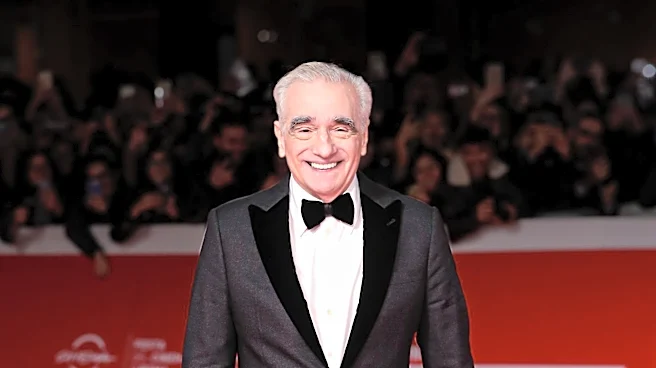
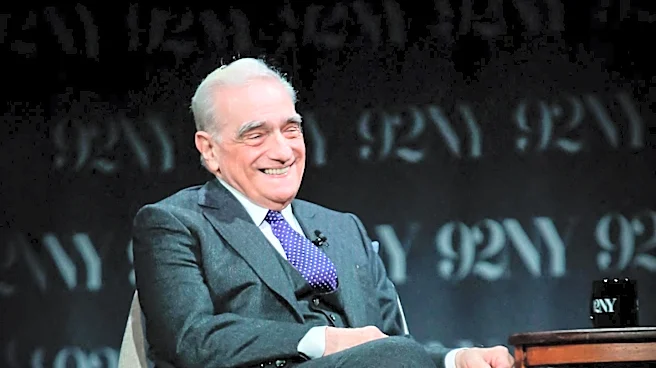
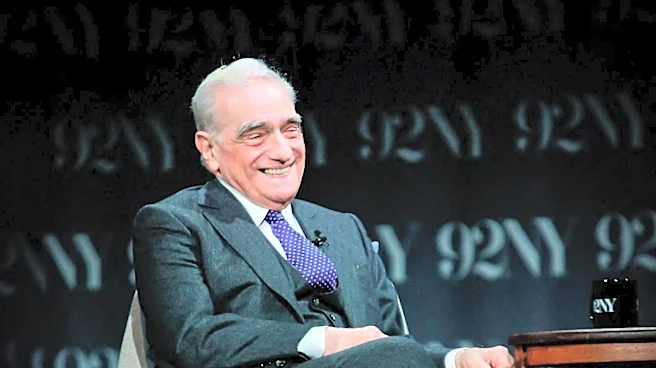
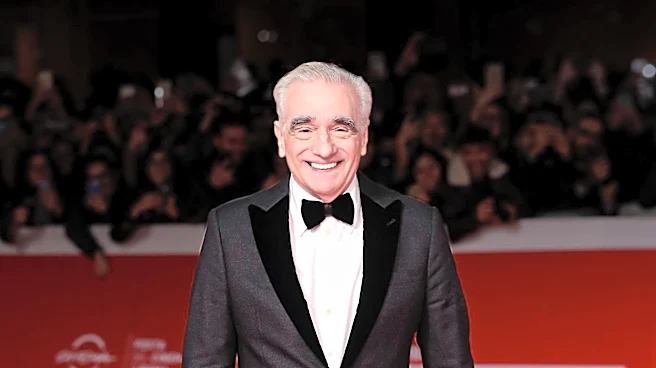
Renowned filmmaker Martin Scorsese has stated that his planned 'wild' Angelina Jolie-led 'Cleopatra' film was derailed due to the controversy surrounding Seth Rogen's 2014 comedy, 'The Interview.' According to Scorsese, the satirical portrayal of Kim
Jong Un in Rogen's film angered the North Korean leader, leading to significant repercussions for Sony Pictures, the studio behind both projects. Scorsese recounted that the fallout, including a major cyberattack on Sony, effectively 'ruined everything' for his 'Cleopatra' project, which had Angelina Jolie attached to star as Cleopatra VII and Eric Roth as the screenwriter. The hack, which the FBI attributed to North Korea, resulted in the leak of confidential emails and unreleased films, causing widespread disruption for the studio.
Why It's Important?
This incident highlights the unexpected and far-reaching consequences that geopolitical events can have on the entertainment industry, particularly for U.S. film productions. The cyberattack on Sony Pictures, allegedly in retaliation for 'The Interview,' demonstrated the vulnerability of major corporations to state-sponsored hacking and the potential for international political tensions to directly impact creative projects. For Hollywood, this event served as a stark reminder of the complex interplay between artistic freedom, global politics, and corporate security. It also raised questions about self-censorship and the risks associated with producing content that might be perceived as provocative by foreign governments, potentially influencing future decisions on film subjects and distribution strategies.
What's Next?
While the 'Cleopatra' project with Scorsese and Jolie is unlikely to be revived in its original form, the broader implications of this event continue to resonate within the entertainment industry. Studios and production companies are likely to maintain heightened cybersecurity measures and remain cautious when developing projects that could incite international political backlash. The incident also contributes to ongoing discussions about the role of satire and political commentary in film, and the responsibilities of filmmakers and studios in a globally interconnected world. Future productions dealing with sensitive geopolitical themes may face increased scrutiny and security considerations, potentially influencing creative choices and distribution plans.
Beyond the Headlines
The cancellation of Scorsese's 'Cleopatra' due to the 'Interview' controversy delves into deeper issues of artistic expression versus political sensitivity. It underscores how a comedic film could inadvertently trigger a significant international incident, leading to real-world consequences for unrelated projects and individuals. This situation also touches upon the concept of 'soft power' and how cultural products, like films, can become instruments or targets in international relations. The incident sparked debates about the extent to which governments should interfere with artistic endeavors and the balance between free speech and national security concerns. It also revealed the fragility of creative freedom when confronted with authoritarian regimes and the potential for digital warfare to impact cultural industries.