
What's Happening?
The Chicago Stars, a professional women’s soccer team, have been informed by the governor’s office that the Illinois General Assembly will not act on legislation to help them build a new stadium before
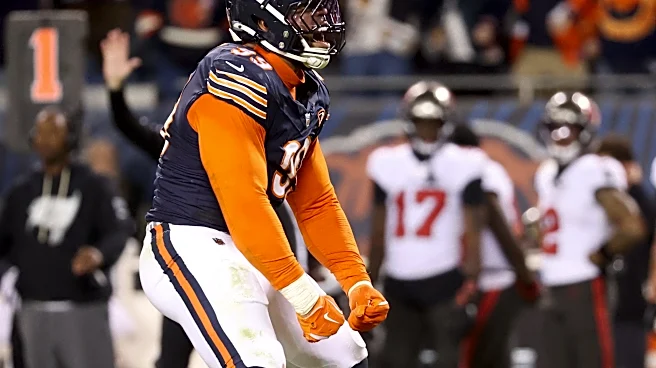
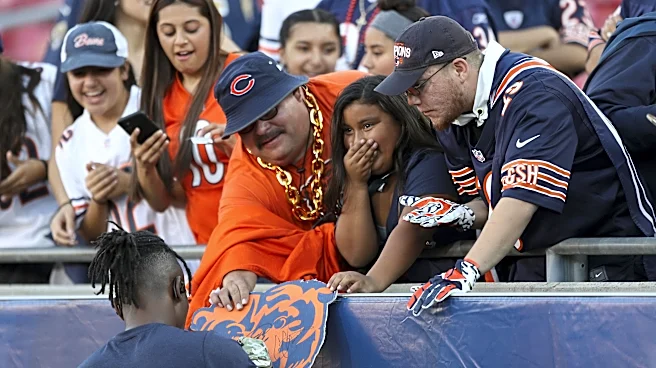
the current legislative term ends in January. The team expressed strong disapproval, calling the situation 'unacceptable,' especially as lawmakers are actively pursuing plans to keep the Chicago Bears from relocating to Indiana. However, a key lawmaker involved in the Bears stadium negotiations and a spokesperson for Governor JB Pritzker have disputed the claim that the Stars are being excluded. They stated that any legislation drafted to assist the Bears in building a stadium in Chicago or Arlington Heights would also be open to the Chicago Stars, suggesting a broader framework for sports facility development.
Why It's Important?
This situation highlights a disparity in legislative attention and potential state support for different professional sports teams within Illinois. The perceived prioritization of the Chicago Bears, a major NFL franchise, over the Chicago Stars, a women's soccer team, raises questions about equity in public funding and legislative focus for sports development. For the Chicago Stars, the delay could hinder their growth, fan engagement, and financial stability, potentially impacting the future of professional women's sports in the region. For the state, the controversy could lead to public debate about how taxpayer resources are allocated to sports franchises and the criteria used for such decisions, especially when multiple teams seek support for infrastructure projects.
What's Next?
The Illinois General Assembly will continue to work on legislation aimed at securing a new stadium for the Chicago Bears. The Chicago Stars will likely need to monitor these legislative developments closely to see if the proposed framework indeed includes provisions that could benefit them. Further discussions and negotiations between the Stars, the governor's office, and lawmakers will be necessary to clarify how the women's soccer team can access state support for their stadium project. Public pressure and advocacy from supporters of women's sports may also play a role in influencing future legislative actions. The outcome will determine the future stadium prospects for both teams and set precedents for state involvement in sports infrastructure.
Beyond the Headlines
This scenario touches upon broader issues of gender equity in sports and the allocation of public resources. The perceived difference in treatment between a prominent male-dominated sport and a growing women's sport can reflect societal biases and economic valuations placed on different athletic endeavors. It also underscores the complex political dynamics involved in large-scale infrastructure projects, where economic impact, public interest, and political influence often intersect. The outcome of this situation could influence future policies regarding state support for sports facilities, potentially leading to more inclusive frameworks or further highlighting existing disparities in how professional sports are supported at the state level.