




What's Happening?
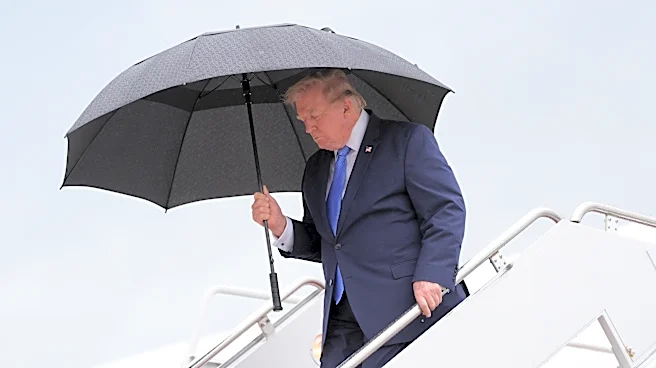
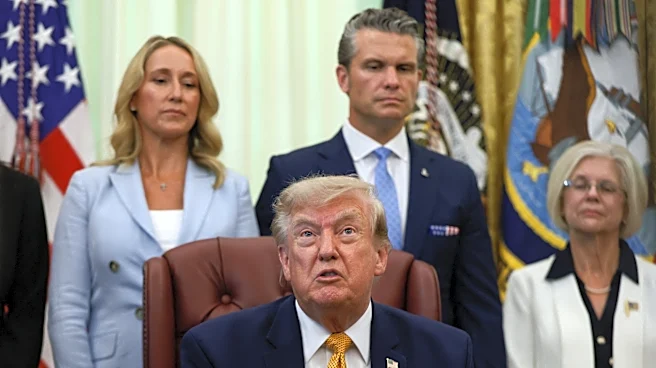
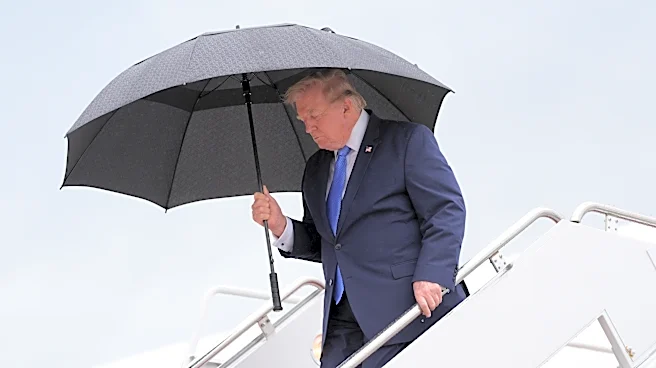
President Donald Trump has publicly criticized major oil companies ExxonMobil and Chevron for their substantial profits amid high oil prices, which have been exacerbated by the ongoing conflict involving Iran. During a press briefing in the Oval Office,
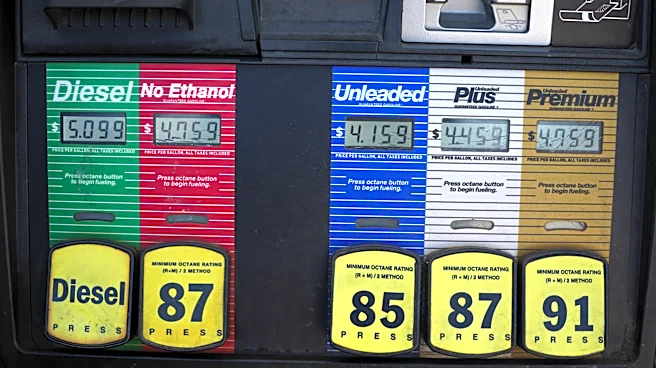
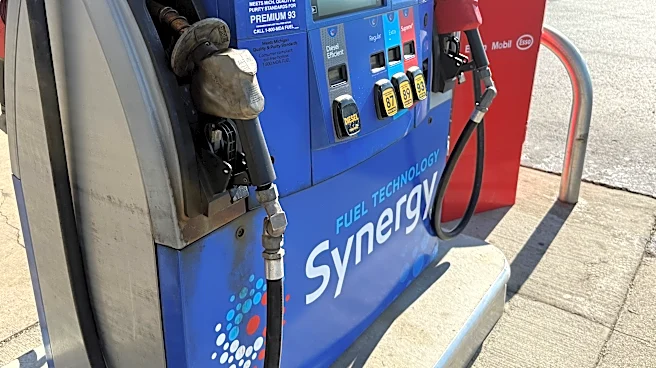
President Trump accused the companies of making excessive profits and urged them to reduce retail fuel prices. The conflict, which began with attacks on Iran by the U.S. and Israel, has led to a significant oil shortage, driving up petroleum prices and impacting consumers at the pump. ExxonMobil reported a quarterly profit of $14.5 billion, more than doubling its performance from the previous year, while Chevron posted $12 billion in profits, marking a 400% increase from the same period last year. Both companies have attributed their financial success to strategic operations and market conditions, but have not responded to requests for comments on Trump's remarks.
Why It's Important?
The criticism from President Trump highlights the tension between government expectations and corporate profit strategies during geopolitical crises. The high oil prices have significant implications for the U.S. economy, affecting transportation costs and consumer spending. The profits reported by ExxonMobil and Chevron underscore the financial benefits that some corporations can reap during periods of market volatility, raising questions about corporate responsibility and pricing strategies in times of crisis. The situation also reflects the broader impact of international conflicts on domestic economic conditions, as the closure of the Strait of Hormuz by Iran has disrupted global oil supply chains, contributing to price surges.
What's Next?
The ongoing conflict and its impact on oil prices are likely to continue influencing U.S. economic conditions and political discourse. Potential resolutions to the conflict, such as reopening the Strait of Hormuz, could stabilize oil prices, but the timing and feasibility of such developments remain uncertain. Meanwhile, the U.S. government may explore policy measures to address fuel price inflation and its effects on consumers. The response from ExxonMobil and Chevron to the president's criticism, if any, could also shape future corporate strategies and public relations efforts.