

What's Happening?
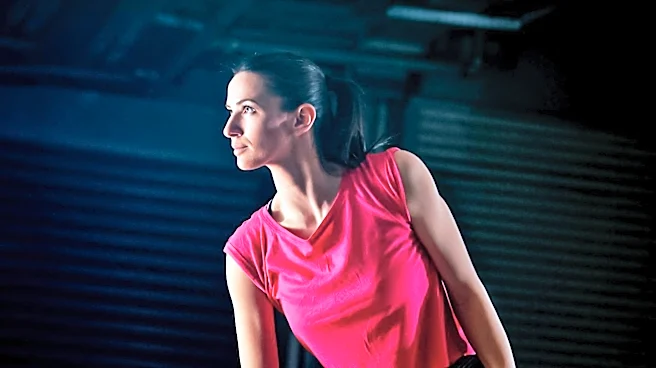
Karen Trasatti, a 63-year-old fat loss coach and fitness content creator, advocates for consistent, challenging dumbbell workouts for women over 50 to build and maintain strength. Trasatti, who shares her routines on Instagram, emphasizes that effective
strength training at this age doesn't require extensive gym time but rather a sustainable plan that progresses over time. Her approach involves rotating three dumbbell-only workouts weekly, each comprising four to six simple movements. These routines combine compound and isolation exercises to engage muscles effectively. Trasatti highlights the importance of lifting weights consistently, challenging muscles, and consuming sufficient protein to support muscle growth, stating that this method helps her stay lean, build muscle, and feel stronger each year. She provides specific examples of exercises like goblet squats, dumbbell chest presses, and reverse lunges as part of her regimen.
Why It's Important?
This approach to fitness is particularly important for women over 50 due to age-related muscle loss, known as sarcopenia, which can accelerate significantly in this demographic. Sarcopenia not only increases the risk of falls and general frailty but is also a major risk factor for osteoporosis, a condition that weakens bones and makes them more prone to fractures. Women are disproportionately affected by osteoporosis. By promoting consistent strength training, Trasatti's methods offer a practical way to significantly slow down sarcopenia and, in some cases, even help reverse osteoporosis. This has substantial implications for public health, as it can improve the quality of life for older women, reduce healthcare burdens associated with age-related injuries, and foster greater independence and mobility in later years. The emphasis on accessible dumbbell workouts also makes strength training more feasible for individuals who may not have access to or prefer not to use traditional gym facilities.
What's Next?
The continued sharing of accessible and effective home-based workout routines by fitness influencers like Karen Trasatti is likely to further popularize home fitness solutions, especially among older demographics. We can anticipate a growing trend in online fitness content tailored to specific age groups and fitness levels, focusing on equipment-minimal or dumbbell-only exercises. This could lead to increased adoption of strength training among women over 50, potentially resulting in improved public health outcomes related to sarcopenia and osteoporosis. Furthermore, the emphasis on nutritional literacy and adequate protein intake, as highlighted by Trasatti, suggests a broader shift towards holistic wellness approaches that integrate diet with exercise. This may prompt more fitness professionals to incorporate comprehensive lifestyle advice into their programs, moving beyond just exercise prescriptions.
Beyond the Headlines
Beyond the immediate benefits of physical strength, the promotion of consistent, manageable fitness routines like Trasatti's touches upon deeper societal and cultural shifts regarding aging and wellness. It challenges the traditional narrative that significant physical decline is an inevitable part of aging, instead advocating for proactive measures to maintain vitality. This movement can empower older individuals to take control of their physical health, fostering a sense of agency and self-efficacy. Ethically, it underscores the importance of accessible health information and practical guidance for all age groups, particularly those who may face barriers to traditional fitness environments. Culturally, it contributes to a more positive and active perception of aging, encouraging a lifestyle that prioritizes long-term health and functional independence, thereby potentially reducing ageism and promoting intergenerational fitness engagement.