




What's Happening?
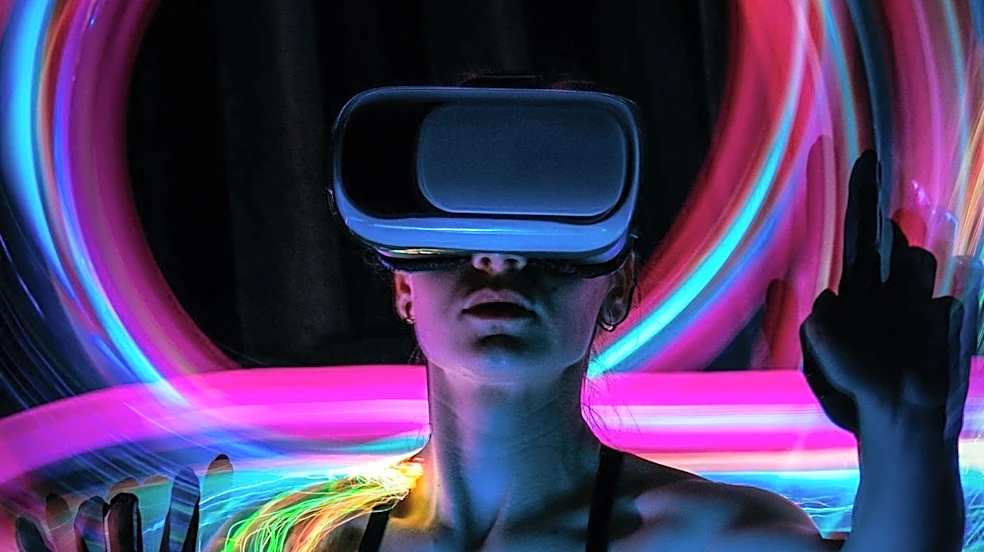
Virtual try-on tools are transforming various sectors, including online makeup classes, fashion, eyewear, and cosmetics. These tools utilize augmented reality (AR) and artificial intelligence (AI) to enable users to virtually preview products such as makeup,
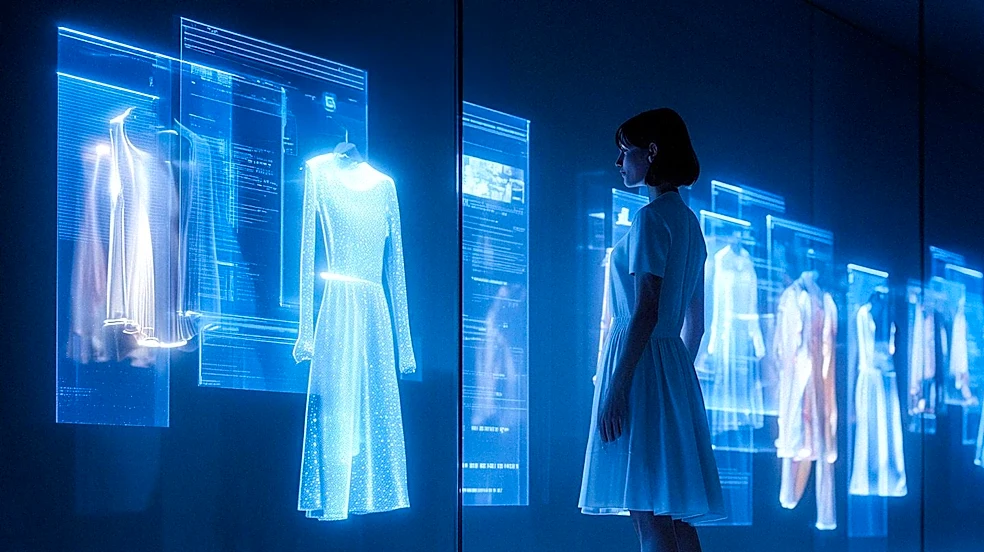
clothing, eyewear, and accessories. This technology allows individuals to experiment with different looks in real-time using their smartphone cameras or webcams, enhancing user engagement and reducing return rates. For instance, in online makeup education, AR tools help learners understand color matching and application techniques without needing physical products, thereby reducing costs and increasing confidence. Similarly, in retail, these tools allow customers to see how a garment would look on them before purchasing, by uploading a photo of themselves and the desired item. The technology preserves the user's face, pose, and background while digitally 'dressing' them in the chosen product.
Why It's Important?
The widespread adoption of virtual try-on technology holds significant importance for U.S. industries and consumers. For businesses, it offers a powerful solution to common online retail challenges, such as high return rates due to ill-fitting or unsuitable products. By providing a realistic preview, companies can improve customer satisfaction and reduce operational costs associated with returns. In the education sector, particularly for online makeup classes, this technology makes learning more accessible and interactive, allowing students to practice and experiment remotely. This flexibility appeals to a broader demographic, including busy professionals and hobbyists. The integration of AI further personalizes the learning experience by recommending tailored tutorials and product suggestions based on user preferences. This technological shift is creating new opportunities for beauty brands and educators to expand their reach and engage with consumers in innovative ways, fostering loyalty and recurring revenue streams through subscription models and seamless e-commerce integration.
What's Next?
The future of virtual try-on technology is expected to see continued innovation and broader integration across more industries. Advancements in 5G, AI, and AR will enable even more immersive and real-time experiences, making virtual try-ons more realistic and responsive. Collaborations between beauty brands, fashion retailers, and tech companies are anticipated to produce new interactive tools and virtual environments. Businesses that invest in high-quality content, cutting-edge technology, and regional customization will be well-positioned to capitalize on this growth. Addressing challenges such as data privacy and security will be crucial for wider acceptance and trust in these technologies. As consumer demand for flexible, engaging, and personalized experiences continues to rise, the market for virtual try-on tools is poised for substantial expansion, offering significant opportunities for innovative players to shape the future of online retail and education.
Beyond the Headlines
Beyond the immediate benefits of enhanced engagement and reduced returns, virtual try-on technology is ushering in deeper shifts in consumer behavior and industry practices. Ethically, the technology raises questions about digital representation and body image, as users interact with digitally altered versions of themselves. Legal implications regarding data privacy and the secure handling of personal images are paramount, requiring robust frameworks to protect user information. Culturally, the ability to virtually 'try on' products could further blur the lines between physical and digital identities, influencing how individuals perceive and present themselves. Long-term, this technology could lead to a more sustainable retail model by reducing the need for physical samples and returns, thereby lessening environmental impact. It also democratizes access to fashion and beauty, allowing individuals from diverse backgrounds to experiment with styles and techniques that might otherwise be inaccessible. The continuous evolution of these tools will likely foster a more personalized and interactive consumer landscape, fundamentally altering how products are discovered, experienced, and purchased.