







What's Happening?
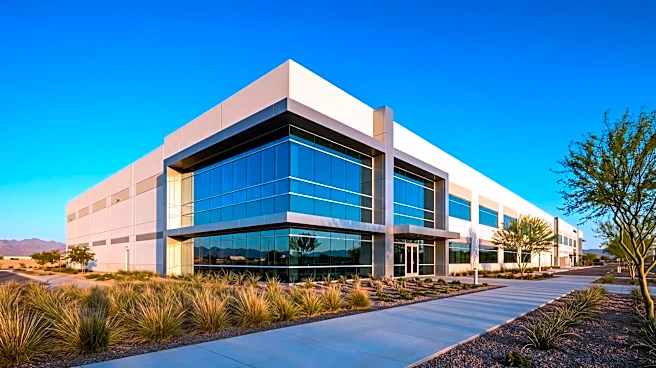
Amkor Technology is significantly expanding its advanced chip packaging campus in Peoria, Arizona, increasing the total planned investment to approximately $12 billion. This expansion, referred to as Phase 2, will add 60,000 square meters of cleanroom
space to the existing 33,000 square meters planned for Phase 1, bringing the total cleanroom area to about 93,000 square meters. Construction for Phase 2 is slated to begin in late 2027 and is expected to conclude by the end of 2029. The project is projected to create over 3,500 jobs in Arizona. This substantial increase in investment, which is six times the initial $2 billion announced in November 2023, is driven by strong customer commitments that have surpassed the capacity originally planned for Phase 1. Amkor's CEO, Kevin Engel, emphasized the critical need for this capacity within the United States. The company has secured up to $407 million in U.S. CHIPS Act funding and a $1.5 billion prepayment from Nvidia for future packaging capacity, with the remaining investment coming from Amkor's own capital.
Why It's Important?
This expansion is crucial for strengthening the U.S. domestic semiconductor supply chain, particularly in advanced packaging, which has become a bottleneck in chip manufacturing. Advanced packaging involves stitching multiple dies together within a single package, a process essential for modern AI accelerators and high-performance computing. The current global capacity for advanced packaging has not kept pace with demand, making this U.S.-based facility vital for reducing reliance on overseas manufacturing and enhancing national security in technology. The investment also signifies a broader trend of reshoring critical manufacturing capabilities to the U.S., supported by initiatives like the CHIPS Act. For U.S. tech giants like Apple and Nvidia, having a domestic advanced packaging facility ensures a more resilient and secure supply of critical components for their products, especially those requiring cutting-edge AI chips. This move could also stimulate further investment and job creation in the U.S. semiconductor industry, fostering innovation and technological leadership.
What's Next?
The construction of Phase 2 is scheduled to commence in late 2027 and is expected to be completed by the end of 2029. Amkor will likely continue to secure additional customer commitments for the expanded capacity, potentially announcing new partnerships beyond its current clients like Apple, TSMC, and Nvidia. The company's ability to maintain its aggressive construction timeline and manage the significant capital expenditure will be closely watched. Furthermore, the success of this U.S. facility could influence other semiconductor companies to invest in similar domestic advanced packaging capabilities, further solidifying the U.S. position in the global semiconductor landscape. The U.S. government may also consider additional incentives or policies to support the growth of domestic advanced packaging, recognizing its strategic importance.
Beyond the Headlines
The substantial investment in Amkor's Arizona campus highlights a fundamental shift in the global semiconductor industry, moving away from a highly concentrated supply chain towards more geographically diversified and resilient manufacturing. This shift is driven by geopolitical considerations, national security concerns, and the increasing complexity of advanced chip technologies. The emphasis on domestic advanced packaging addresses a critical vulnerability, as even if chips are fabricated in the U.S., their packaging often occurs overseas. This expansion could lead to a more integrated domestic semiconductor ecosystem, fostering closer collaboration between design, fabrication, and packaging stages. It also underscores the growing importance of advanced packaging as a key differentiator in chip performance, moving beyond traditional transistor scaling. The long-term implications include enhanced technological sovereignty for the U.S. and a potential rebalancing of global power dynamics in the semiconductor sector.