








What's Happening?
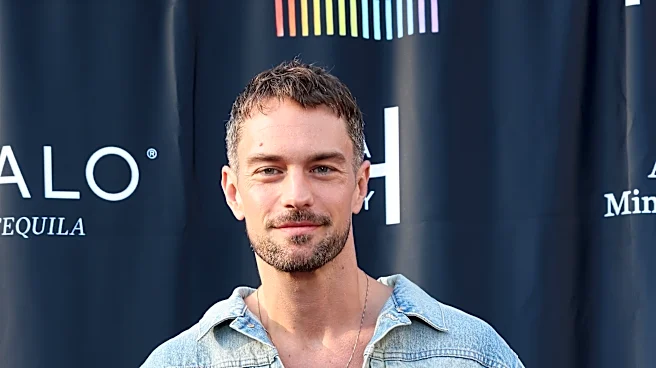
Actor Dylan Sprouse disclosed that he received only a five-cent residual check for his work on the popular Disney Channel series 'The Suite Life of Zack and Cody.' During an appearance on his former co-star Phil Lewis’ 'Wildmen' podcast, Sprouse explained
that despite the show's significant popularity and high ratings during its three-season run from 2005 to 2008, he received virtually no residual payments. Lewis, who played Mr. Moseby on the show, added that the cast's contracts were structured in a way that allowed Disney to film numerous episodes within a calendar year and classify them as a single season, thereby avoiding additional 'bumps' or payments typically associated with new seasons. Sprouse highlighted the irony of this situation, noting that the show was a major hit, even outperforming 'The Sopranos' in ratings at one point, and was translated into 80 different languages for international broadcast. He emphasized that during a period when residuals would have been substantial, he received almost nothing.
Why It's Important?
This revelation by Dylan Sprouse underscores a significant issue within the entertainment industry, particularly concerning child actors and compensation structures for popular shows. The practice of classifying multiple production cycles as a single season to circumvent residual payments highlights a contractual loophole that can severely impact actors' long-term earnings, especially for shows that achieve widespread syndication and streaming success. For child actors, who often lack full understanding or negotiating power regarding their contracts, such practices can lead to disproportionately low compensation compared to the immense value their work generates for studios. This situation also sheds light on the broader debate surrounding fair compensation in Hollywood, a topic that has frequently led to labor disputes and strikes, as actors seek more equitable shares of profits from their work, particularly in the era of streaming services where traditional residual models are often bypassed or diminished.
What's Next?
The ongoing discussions about residual payments and fair compensation in Hollywood are likely to continue, especially as streaming platforms redefine how content is consumed and monetized. Actors' unions and guilds, such as SAG-AFTRA, have been actively negotiating for better terms regarding residuals, particularly for shows distributed on streaming services. While Sprouse's comments pertain to a show from the mid-2000s, they resonate with contemporary concerns about how artists are compensated in an evolving media landscape. This public disclosure could further fuel advocacy efforts for more transparent and equitable contractual agreements for actors, particularly those starting their careers or working on highly successful projects that generate significant revenue for studios. Future negotiations between studios and talent representatives may increasingly focus on closing such contractual loopholes to ensure that actors receive a fairer share of the profits generated by their work over time.
Beyond the Headlines
Sprouse's experience touches upon the ethical considerations of talent exploitation, particularly when dealing with young performers. The 'ugly duckling' comment by Sprouse, referring to the show being popular but 'underfunded' by the channel, suggests a potential power imbalance where studios prioritize profit maximization over fair compensation for talent. This issue extends beyond financial implications, impacting the long-term financial stability and career trajectories of actors who may not fully benefit from their early successes. The lack of substantial residuals can also create a precarious financial situation for actors, contrasting sharply with the public perception of their wealth and success. This case serves as a stark reminder of the complex and often opaque financial realities within the entertainment industry, prompting deeper questions about corporate responsibility and the protection of creative labor.