



What's Happening?
The fashion industry is expanding beyond traditional design roles, offering a variety of career opportunities that leverage skills in digital marketing, influencer relations, content creation, visual merchandising, and styling. According to ELLE Education
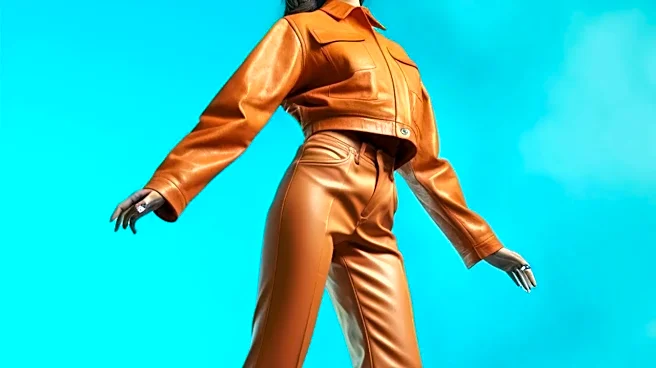
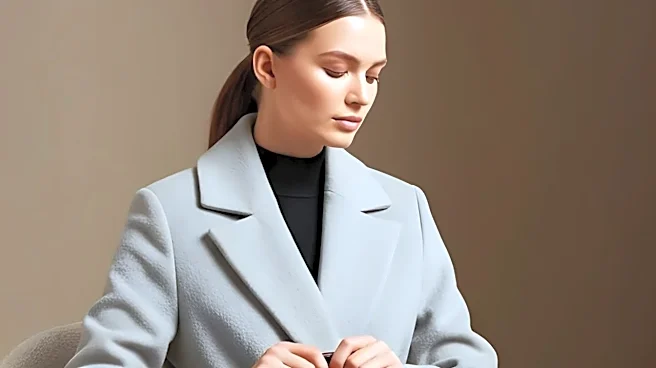
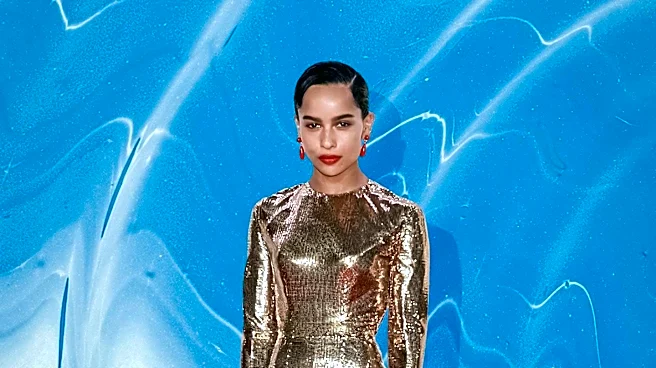
by Mindway, these roles are crucial for brand success, focusing on how fashion is presented, marketed, and perceived by consumers. Digital Marketing Specialists analyze online campaigns and audience responses, while Influencer Marketing Specialists identify suitable talent and manage collaborations. Fashion Content Creators develop visual and written narratives for brands, and Visual Merchandisers design engaging retail spaces. Fashion Stylists curate looks for various platforms, ensuring clothes communicate a specific story. These evolving roles highlight the industry's increasing reliance on strategic communication, digital engagement, and creative presentation to connect with audiences.
Why It's Important?
This diversification of roles signifies a fundamental shift in the fashion industry's operational model, moving beyond product creation to encompass comprehensive brand storytelling and consumer engagement. For individuals seeking careers in fashion, it broadens the scope of entry points, emphasizing skills in communication, digital media, and strategic thinking rather than solely design expertise. For brands, investing in these specialized roles is critical for navigating a competitive market, building strong brand identities, and effectively reaching target demographics in an increasingly digital world. The emphasis on influencer marketing and content creation, for instance, reflects the power of digital platforms in shaping consumer trends and purchasing decisions, making these roles indispensable for maintaining relevance and driving sales.
What's Next?
As the fashion industry continues to evolve, further integration of technology and data analytics into these roles is expected. Professionals in these fields will likely need to adapt to new digital tools, AI-driven insights, and emerging social media platforms to remain effective. Educational institutions, such as ELLE Education by Mindway, will continue to develop specialized courses to equip future professionals with the necessary skills in marketing, communication, and visual presentation. Brands will increasingly seek integrated teams that can seamlessly blend creative vision with strategic execution across all these specialized areas, fostering a more holistic approach to brand management and consumer interaction. The demand for professionals who can bridge the gap between creative expression and commercial success will continue to grow.
Beyond the Headlines
The rise of these specialized roles also reflects a broader cultural shift in how consumers interact with fashion. It's no longer just about the clothes themselves, but the entire narrative, experience, and community built around a brand. This shift has ethical implications, particularly in influencer marketing, where authenticity and transparency are paramount. Brands must navigate the fine line between genuine endorsement and paid promotion to maintain consumer trust. Legally, this also means increased scrutiny on disclosure requirements for sponsored content. Culturally, these roles contribute to the democratization of fashion, allowing diverse voices and perspectives to shape trends and brand images, moving beyond traditional gatekeepers and fostering a more inclusive industry landscape.