






What's Happening?
Coty Inc. has announced a long-term extension of its Marc Jacobs fragrance and beauty license agreement with WHP Global and G-III Apparel Group. Concurrently, WHP Global and G-III Apparel Group have granted I.T Group a new license and operating control
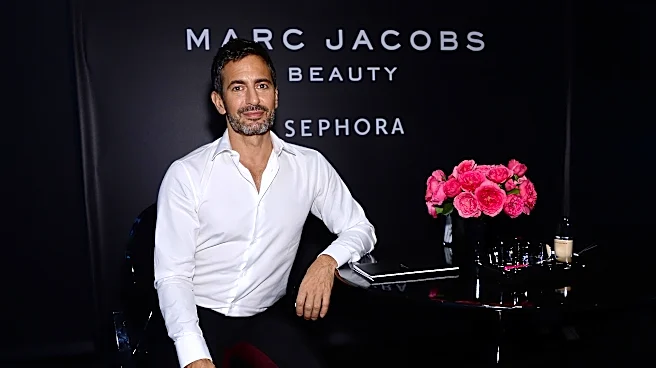
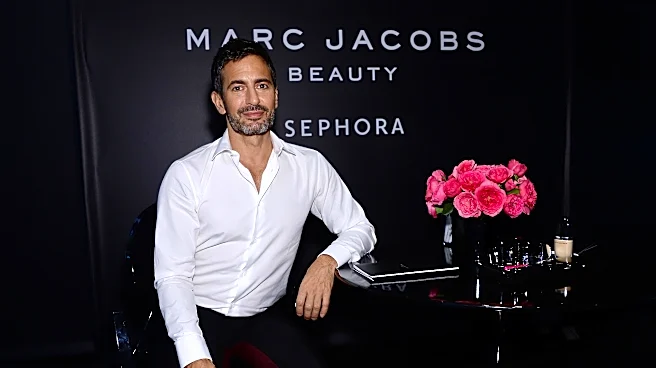
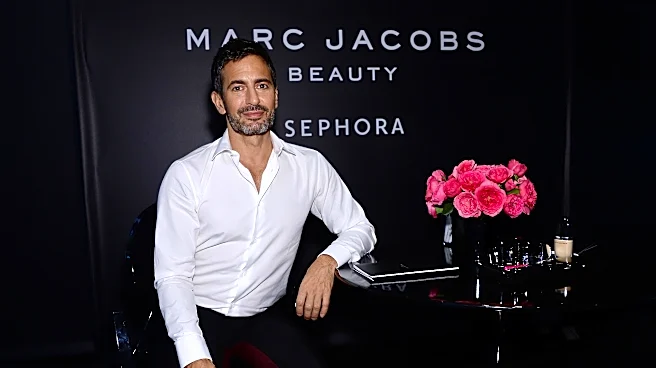
for Marc Jacobs across Greater China. These strategic moves are set to deepen G-III Apparel Group's involvement in the Marc Jacobs beauty sector and its retail presence in Greater China. The extended beauty license reinforces Marc Jacobs' position as a significant brand in the prestige female fragrance market, where it already ranks among the top 10 to 15 in several key markets and has established a presence in color cosmetics at Sephora. This development is part of G-III Apparel Group's broader strategy to shift focus towards owned brands and away from expiring third-party licenses, such as those for Calvin Klein and Tommy Hilfiger.
Why It's Important?
This license extension is crucial for G-III Apparel Group as it solidifies its owned-brand strategy, aiming to replace revenue from expiring third-party licenses with higher-margin proprietary labels like Marc Jacobs. The move into Greater China with I.T Group signifies an expansion into a major global market, potentially boosting the brand's international footprint and revenue streams. For Coty Inc., securing a long-term agreement for a well-established fragrance line like Marc Jacobs ensures continued market presence and revenue stability in the competitive beauty industry. Analysts project G-III Apparel Group's narrative to include approximately $2.7 billion in revenue and $97.8 million in earnings by 2029, with the Marc Jacobs push being central to these valuation targets. However, the company faces execution risks related to international expansion, supply chain reliability, and potential weaker European demand, which could impact these forecasts.
What's Next?
The immediate focus for G-III Apparel Group will be on the execution of this portfolio shift, particularly how quickly the Marc Jacobs brand scales in the beauty and Greater China retail sectors. The company will need to demonstrate effective cost savings and gross margin initiatives to offset the planned revenue roll-off from expiring licenses. Analysts will be closely monitoring how the new licensing agreements translate into tangible financial results, especially given current forecasts that point to potential revenue and earnings declines over the next three years. The integration risk associated with the Marc Jacobs brand, particularly in international markets, will also be a key factor to watch. The success of this strategy will determine if G-III Apparel Group can achieve its projected revenue and earnings targets by 2029 and realize the anticipated upside in its stock valuation.
Beyond the Headlines
The strategic pivot by G-III Apparel Group highlights a broader trend in the fashion industry where companies are increasingly prioritizing owned brands to gain greater control over design, production, and distribution, thereby enhancing profit margins and brand equity. This shift also reflects the growing importance of the Asian market, particularly Greater China, for luxury and prestige brands seeking new avenues for growth. The reliance on licensing agreements, while providing immediate revenue, can limit long-term brand control and profitability. By deepening its investment in Marc Jacobs, G-III Apparel Group is attempting to build a more resilient and vertically integrated business model. This strategy, if successful, could serve as a blueprint for other apparel companies looking to navigate the complexities of a rapidly evolving global fashion landscape, characterized by shifting consumer preferences and intense competition.