









What's Happening?
Herbert Simon, a Nobel laureate in economics, observed in 1971 that in a world of abundant information, attention becomes the scarce resource. This insight is now profoundly impacting the sports and entertainment industries, which are increasingly competing
for consumer attention. Live sports, with their inherent liveness, ability to foster tribal identity, generate narrative afterlife, and offer scarcity (finite, non-repeatable events), are uniquely positioned to thrive in this 'attention economy.' Traditional formats are losing appeal as they compete with a vast array of entertainment options. Leagues like Formula 1, SailGP, and E1 electric raceboat series are redesigning their events to be multi-day spectacles, incorporating premium hospitality, celebrity appearances, live entertainment, and immersive fan experiences to capture and retain attention.
Why It's Important?
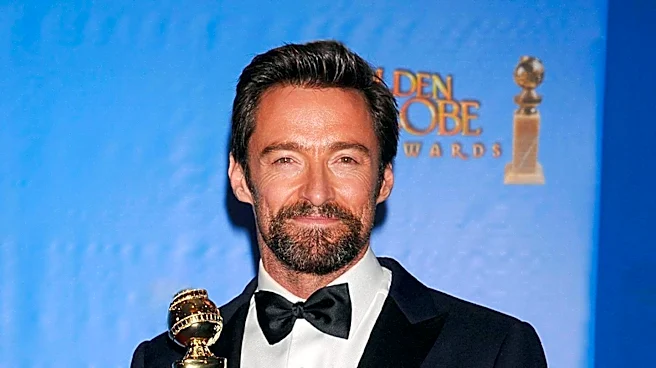
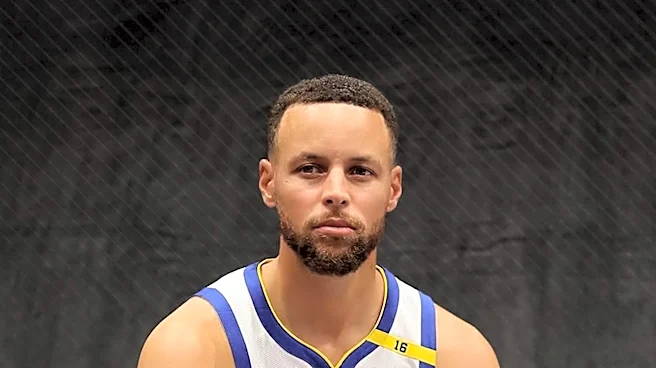
This shift has significant implications for the U.S. entertainment and sports industries, driving innovation in how events are packaged and delivered. The focus on creating comprehensive 'experience economies' around sporting events means increased revenue streams beyond traditional ticket sales, including hospitality, merchandise, and ancillary entertainment. This benefits host cities through tourism and economic activity. The involvement of celebrities and high-profile investors, such as Ryan Reynolds, Hugh Jackman, Anne Hathaway, Tom Brady, LeBron James, Rafael Nadal, and Will Smith, highlights the growing financial stakes and the perceived value of these redesigned experiences. It also signals a broader trend where stadiums are becoming 365-day venues, hosting concerts and other events, maximizing their utility and economic impact. This redefines the competitive landscape, pushing all entertainment providers to innovate their offerings to secure consumer attention.
What's Next?
The trend of transforming sporting events into broader entertainment ecosystems is expected to continue and expand across various sports and cultural events. This will likely lead to further investment in venue infrastructure, technology for immersive experiences, and partnerships with entertainment and hospitality providers. Ticketing systems will need to evolve to handle the complexity of multi-faceted event packages, moving beyond simple seat sales to offering individualized pricing strategies and global demand generation. The success of leagues like Formula 1 and SailGP will serve as models for other sports organizations looking to adapt to the attention economy. Expect to see more integration of music, culinary experiences, and interactive fan zones at major U.S. sporting events, blurring the lines between sports and other forms of entertainment.
Beyond the Headlines
The 'attention economy' raises deeper questions about the value of human attention in a hyper-stimulated world. As industries increasingly vie for this scarce resource, there's a potential for increased sensory overload and a blurring of authentic experiences with curated spectacles. The emphasis on 'tribal identity' in sports, while beneficial for fan engagement, could also contribute to echo chambers and intensified rivalries. Furthermore, the commercialization of every aspect of an event, from premium hospitality to celebrity encounters, might alienate traditional fans who cannot afford such experiences, potentially creating a two-tiered fan base. The long-term societal impact could involve a re-evaluation of what constitutes 'entertainment' and how individuals choose to allocate their most valuable, finite resource: their attention.