








What's Happening?
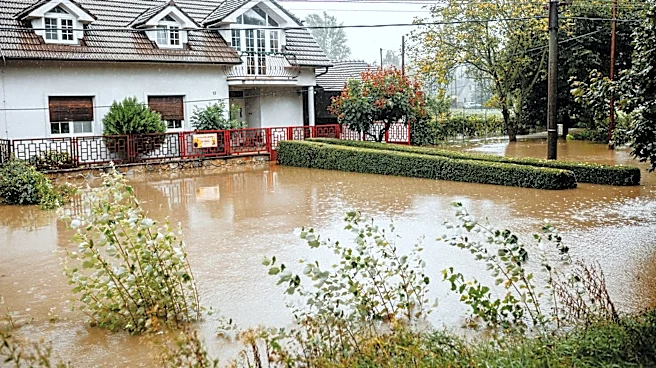
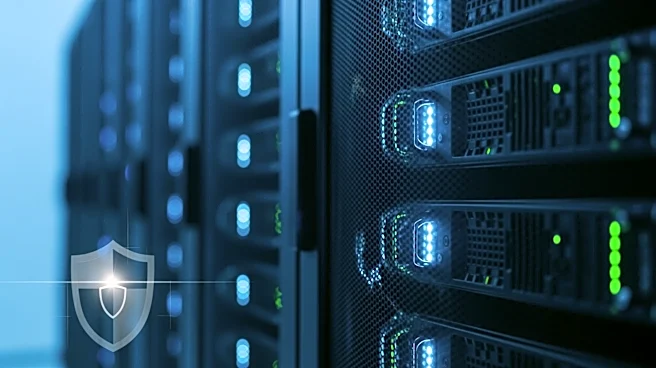
A recent analysis by climate-risk firm First Street has highlighted significant vulnerabilities faced by global data centers due to climate change. The study reveals that nearly 80% of data center capacity worldwide is located in areas susceptible to short-term
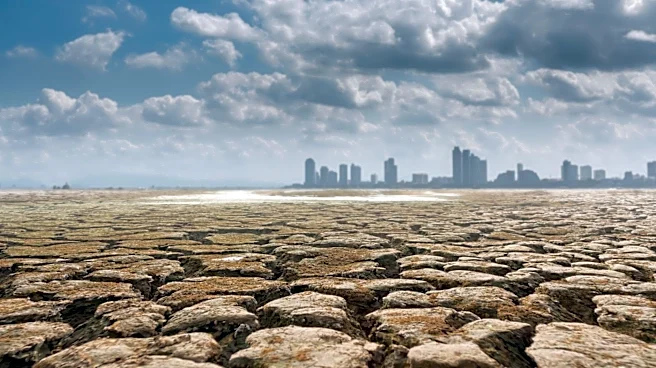
climate shocks such as floods, high winds, and wildfires. These environmental threats can disrupt operations and increase repair and insurance costs. Additionally, more than half of these centers are exposed to long-term climate stresses like extreme heat and drought, which can affect their efficiency and operational costs over their lifespan. The report criticizes insurers and investors for relying on outdated weather data that fails to account for the current climate realities. First Street CEO Matthew Eby emphasizes that historical weather patterns no longer predict future risks accurately. The study also notes that while some data centers are fortified against extreme weather, they remain vulnerable if surrounding infrastructure, such as roads and grid connections, is compromised.
Why It's Important?
The findings of this study have significant implications for the data center industry, particularly in the U.S., where about 50% of data centers are at risk. As data centers are critical to the functioning of the digital economy, any disruption can have widespread effects on businesses and consumers. The increased risk of climate-related disruptions could lead to higher operational costs and insurance premiums, potentially affecting the pricing of data services. Moreover, the need for updated risk assessment models could drive changes in how data centers are designed and located, emphasizing the importance of climate resilience. This situation underscores the broader challenge of adapting infrastructure to withstand the impacts of climate change, which is crucial for maintaining economic stability and growth.
What's Next?
In response to these findings, data center operators may need to reassess their risk management strategies and consider investing in more resilient infrastructure. This could involve relocating facilities to less vulnerable areas or enhancing existing structures to better withstand climate impacts. Insurers and investors might also need to update their risk assessment models to reflect the current climate realities, potentially leading to changes in insurance policies and investment strategies. Policymakers could play a role by setting new standards for climate resilience in infrastructure planning and development. The study's insights could prompt a broader industry-wide shift towards sustainability and resilience, influencing future data center projects and investments.