
What's Happening?
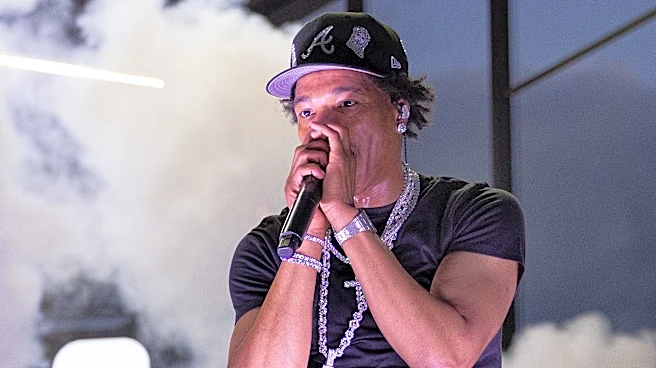
Rapper Lil Baby has indicated his desire to collaborate with pop artist Sabrina Carpenter. During an appearance on The New York Times' Popcast, Lil Baby was asked about potential 'outside-the-box' collaborations and identified Carpenter as an ideal partner.
He stated he is 'working on it' but expressed reluctance to contact her via direct message (DM) on social media, citing concerns about appearing 'weird.' Instead, Lil Baby prefers to pursue the collaboration through more professional channels or by meeting in person to create music together. He mentioned that while he doesn't currently have a song prepared to send her, he believes they could create something effective if they were to work in the studio or if she sent him material. Sabrina Carpenter has a limited history of hip-hop collaborations, with her only direct rap feature being with Saweetie in 2019 on the song 'I Can't Stop Me.'
Why It's Important?
This potential collaboration signifies a growing trend of genre-blending in the music industry, where artists from different musical backgrounds seek to create unique sounds and expand their audience reach. For Lil Baby, known primarily for his trap and hip-hop music, working with a pop artist like Sabrina Carpenter could introduce him to a new demographic and showcase his versatility as an artist. Similarly, for Sabrina Carpenter, a collaboration with a prominent rapper like Lil Baby could broaden her appeal within the hip-hop community and demonstrate her willingness to experiment with different musical styles. Such cross-genre projects often generate significant media attention and can lead to commercially successful tracks, influencing music charts and streaming trends. It also highlights artists' increasing comfort in stepping outside their established 'boxes' to explore new creative avenues, potentially setting a precedent for future unexpected musical pairings.
What's Next?
The next steps for this potential collaboration would likely involve Lil Baby's team reaching out to Sabrina Carpenter's representatives to explore the possibility of a joint project. Given Lil Baby's preference for an in-person creative process, discussions would probably focus on scheduling studio time where both artists could work together. If a collaboration materializes, fans could anticipate a single release that blends elements of pop and hip-hop, potentially accompanied by a music video. The success of such a track could influence future collaboration choices for both artists and might encourage other musicians to explore similar cross-genre partnerships. The music industry will be watching to see if these initial expressions of interest translate into a concrete musical offering, which could impact streaming platforms and radio airplay.
Beyond the Headlines
This situation subtly underscores the evolving dynamics of artist-to-artist communication in the digital age. Lil Baby's hesitation to use direct messages, despite their prevalence, reflects a desire for authenticity and professionalism in initiating creative partnerships, contrasting with the often informal nature of social media interactions. This preference for in-person collaboration over digital outreach speaks to a value placed on genuine connection and creative synergy in the studio, which some artists believe is essential for producing meaningful music. It also highlights the strategic considerations artists make when expanding their brand and sound, carefully navigating how new collaborations might be perceived by their existing fan base and the broader public. The potential collaboration could also spark broader conversations about artistic integrity versus commercial appeal in cross-genre projects.