



What's Happening?
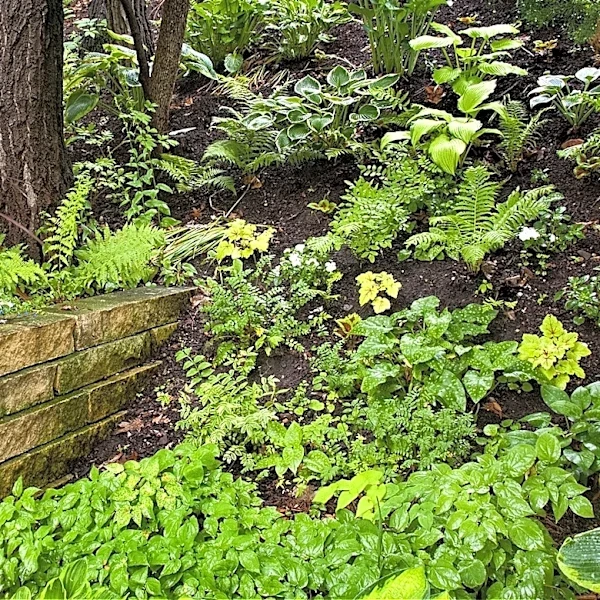
Consumer Reports is advising homeowners on various methods to conserve water in their lawns and gardens, particularly relevant during periods of intense heat and drought. The recommendations include replacing some grass with drought-tolerant plants, mulch,
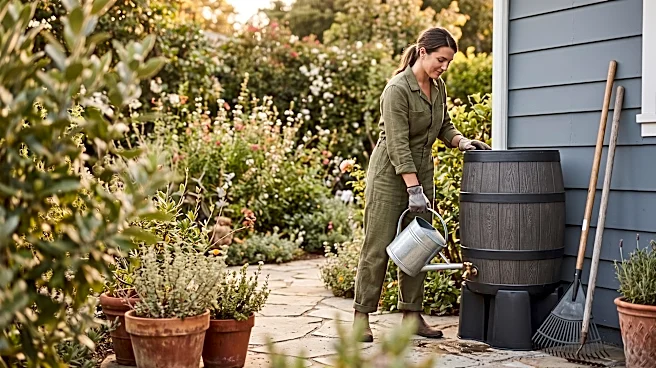
or ground cover. For existing lawns, they suggest letting grass grow longer (three to four and a half inches) to shade the soil and reduce evaporation, and using a mower's mulch mode to return nutrients and moisture to the soil. Smart watering habits are also highlighted, such as avoiding watering during the hottest parts of the day and utilizing soaker hoses or drip irrigation systems for efficient water delivery. Additionally, Consumer Reports suggests using rain barrels to collect rainwater for plant watering or car washing, noting that while beneficial for conservation, rain barrel water may have low pressure and is not suitable for drinking or bathing. The FCMP Outdoor Raincatcher was identified as a top choice in their evaluations.
Why It's Important?
These water conservation strategies are crucial for U.S. households facing increasing water restrictions and rising utility costs due to climate change and prolonged dry spells. By adopting these practices, homeowners can significantly reduce their outdoor water consumption, which often accounts for a substantial portion of household water use. This not only helps in managing personal expenses but also contributes to broader community efforts in drought mitigation and sustainable resource management. The emphasis on efficient irrigation systems and alternative landscaping choices can influence consumer purchasing decisions, potentially boosting demand for related products and services in the green industry. Furthermore, these recommendations promote environmental stewardship by reducing the strain on local water supplies and minimizing the energy required for water treatment and distribution.
What's Next?
As climate patterns continue to shift, it is anticipated that more regions across the U.S. will experience water scarcity, leading to increased adoption of these water-saving techniques. Consumers are likely to seek out more information and products that support efficient water use, such as advanced irrigation systems, drought-resistant plant varieties, and rain harvesting solutions. Local governments and water authorities may also implement further incentives or regulations to encourage water conservation, potentially including rebates for rain barrel installations or restrictions on lawn watering. Educational campaigns from organizations like Consumer Reports will likely continue to play a vital role in informing the public about practical and effective ways to manage water resources in and around their homes.
Beyond the Headlines
The push for water conservation extends beyond immediate cost savings and environmental benefits, touching upon broader societal shifts towards sustainability and resilience. The adoption of practices like xeriscaping and rainwater harvesting reflects a growing awareness of ecological footprints and the need for adaptive living in the face of environmental challenges. This trend could foster innovation in water-efficient technologies and urban planning, leading to more sustainable community designs. Moreover, involving families in gardening and water-saving efforts can instill a sense of environmental responsibility in younger generations, promoting a long-term cultural shift towards resource consciousness. The collective impact of individual actions, guided by expert advice, can contribute significantly to national water security and ecological balance.