



What's Happening?
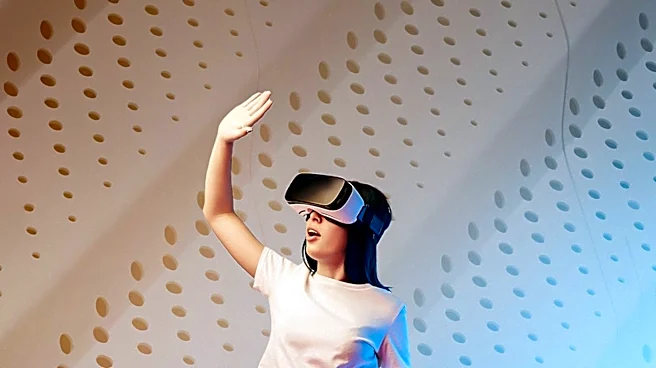
Meta Quest is actively promoting the integration of mixed reality (MR) solutions into various U.S. industries, leveraging its Meta Quest 3 hardware. This initiative focuses on blending virtual and physical environments to enhance operational workflows.
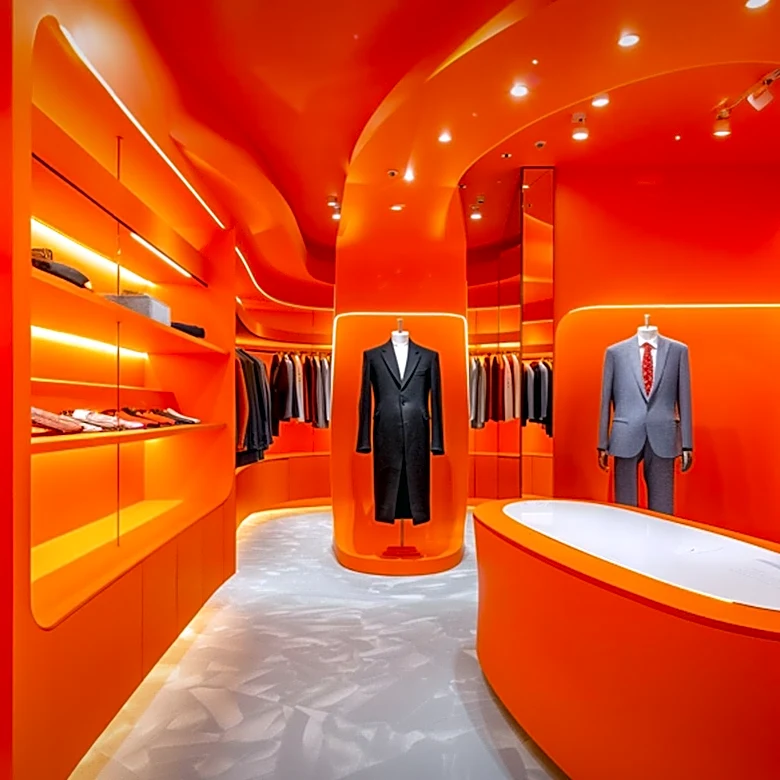
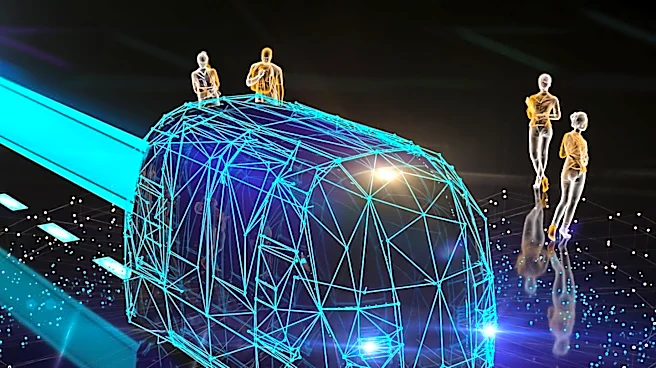
The Meta Quest 3 features high-resolution color passthrough cameras, pancake lenses, and inside-out tracking, powered by the Snapdragon XR2 Gen2 chip, to create seamless MR experiences. This technology allows for lifelike 3D overlays that interact with real-world objects, providing precise spatial interactions without the need for external markers or controllers. Companies like Customertimes are partnering with Meta to develop platforms that connect these headsets to live enterprise data from systems like Salesforce and SAP, creating 'digital twins' for training, planning, and problem-solving. This approach is being applied in sectors such as manufacturing, where technicians can train on digital twins of production lines; life sciences, enabling field teams to practice complex device setups; and consumer packaged goods (CPG) and retail, where merchandisers can preview shelf layouts digitally.
Why It's Important?
The widespread adoption of mixed reality in U.S. industries signifies a significant shift in how businesses approach training, operations, and design. For manufacturing, MR can lead to reduced errors and decreased downtime by allowing technicians to simulate repairs and maintenance in a virtual environment before engaging with physical equipment. In life sciences, the ability to practice complex procedures without risking expensive physical assets can enhance professional confidence and protect investments. For CPG and retail, MR streamlines the merchandising process, transforming tasks that once took days into minutes, thereby improving efficiency and speed to market. This technology offers a pathway to higher safety standards, cost savings, and increased productivity across diverse sectors. The integration of MR with existing enterprise data systems also means that businesses can leverage their current data infrastructure to create more dynamic and interactive workflows, potentially leading to more informed decision-making and optimized resource allocation.
What's Next?
The immediate future will likely see continued development and customization of mixed reality workflows tailored to specific industry needs. Companies like Customertimes will focus on building more sophisticated 'digital twins' using technologies like Gaussian splatting to create photorealistic virtual spaces that mirror real-world environments. This will involve deeper integration with various enterprise data systems to provide real-time insights and interactive capabilities. As the technology matures, there will be an increased emphasis on tracking training steps for compliance and demonstrating clear proof of progress, particularly in highly regulated industries. Furthermore, the expansion of MR applications beyond current uses is anticipated, with potential for new use cases emerging as businesses discover innovative ways to blend their physical and digital operations. The ongoing investment by companies like Meta suggests a long-term commitment to making mixed reality an indispensable tool for the future of work.
Beyond the Headlines
The shift towards mixed reality in the workplace carries profound implications beyond immediate operational efficiencies. Ethically, it raises questions about the nature of work and the human-technology interface, particularly as digital overlays become increasingly integrated into our perception of reality. Legally, the use of 'digital twins' and real-time data integration will necessitate new frameworks for data privacy, intellectual property, and liability, especially in critical sectors like healthcare and manufacturing. Culturally, the widespread adoption of MR could redefine traditional work environments, potentially leading to new forms of collaboration and skill sets. The technology's ability to keep individuals 'grounded in the real world' while providing digital insights could foster a more intuitive and less isolating digital experience compared to purely virtual environments. This could lead to a long-term shift in how human capital is developed and deployed, emphasizing adaptive learning and problem-solving within augmented realities.