





What's Happening?
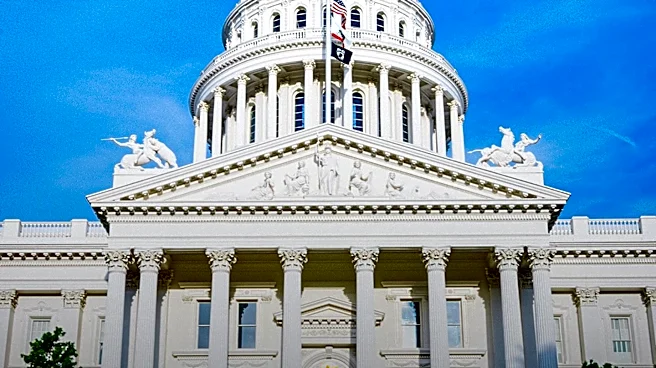
California has introduced new legislation impacting employers' use of Artificial Intelligence (AI) and automated technology in the workplace. Effective January 1, 2027, updates to the state's mini-WARN Act will require employers to provide specific disclosures
if AI or automated technology is a substantial reason for layoffs. These disclosures must detail the number, occupation, and location of affected workers, the job functions being automated, and the type of AI system involved. Additionally, a new 'No Robo Bosses Act of 2026' (SB 947), effective July 1, 2027, will prohibit employers from relying solely on automated decision tools for disciplinary or termination decisions, mandating human corroboration and post-use disclosures regarding AI and personnel data. The state also launched an AI-Unemployment Tracker to assess AI's impact on the workforce and identify susceptible occupations.
Why It's Important?
These new California laws are significant as they establish a precedent for regulating AI in employment, potentially influencing other states. For employers, compliance will necessitate a thorough review and likely an overhaul of existing AI-driven HR processes, particularly in areas of hiring, performance management, and termination. The requirement for human corroboration in critical employment decisions aims to mitigate biases and ensure fairness, addressing growing concerns about algorithmic discrimination. While these regulations seek to protect workers from potential negative impacts of AI, they also introduce new compliance burdens and complexities for businesses operating in California. The focus on transparency and accountability in AI use could shape future national discussions on AI governance in the labor market.
What's Next?
Employers in California must prepare for the implementation of these new regulations by January 1, 2027, and July 1, 2027. This involves auditing current AI usage in HR, developing new disclosure protocols for layoffs, and integrating human oversight into automated decision-making processes for discipline and termination. Legal and HR departments will need to collaborate to ensure compliance and avoid potential legal challenges. Other states are likely to observe California's experience closely, and similar legislation could emerge nationwide as concerns about AI's impact on employment continue to grow. The AI-Unemployment Tracker's findings will also provide valuable data for future policy decisions regarding AI and the workforce.
Beyond the Headlines
The California legislation reflects a broader societal debate about the ethical implications of AI in the workplace. By mandating human oversight and transparency, the state is attempting to strike a balance between technological advancement and worker protection. This move highlights the increasing recognition that while AI offers efficiency, it also carries risks related to fairness, accountability, and job displacement. The 'No Robo Bosses Act' specifically addresses the concern that automated systems could make critical decisions about individuals' livelihoods without adequate human review, potentially leading to a dehumanized workplace. This legislative trend could foster a new era of 'responsible AI' development, where ethical considerations are integrated from the design phase, rather than being an afterthought.