
What's Happening?
Vistra Corp., an integrated energy company, announced robust third-quarter 2026 financial results, with net income reaching $1.14 billion and ongoing operations adjusted EBITDA growing over 50% to $2.38
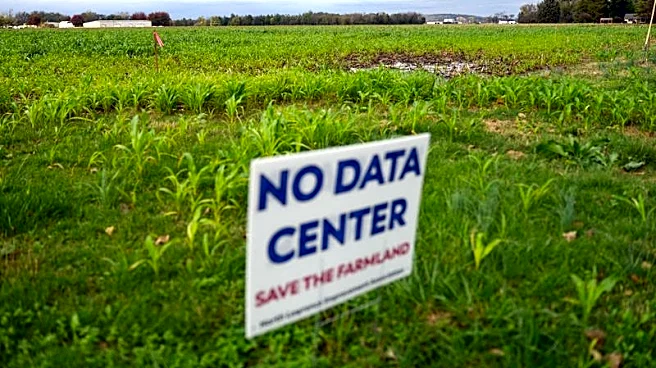
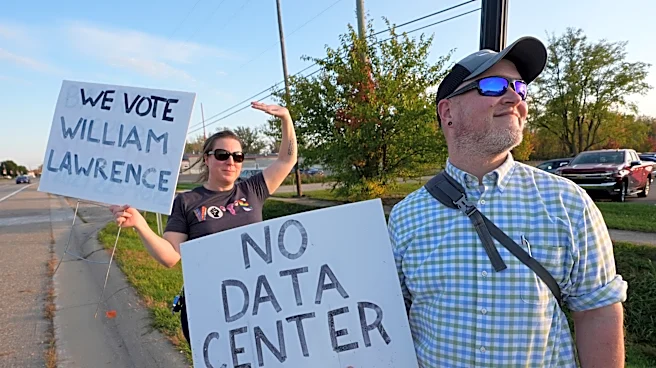
billion. This performance was driven by higher energy prices, increased capacity revenue, and contributions from newly acquired assets. The company also raised its 2026 adjusted EBITDA guidance midpoint to $7.1-$7.5 billion and introduced a 2027 outlook of $7.7-$8.5 billion. Additionally, Vistra authorized a new $1.50 billion share repurchase program, signaling confidence in its valuation. These positive financial results come as Texas, a key market for Vistra, faces a new moratorium on data center approvals proposed by Governor-elect Gina Hinojosa. This moratorium, which extends previous restrictions, aims to establish additional protections for electricity consumers, water resources, and surrounding communities, creating uncertainty for future electricity demand from the rapidly expanding AI data center industry in the state.
Why It's Important?
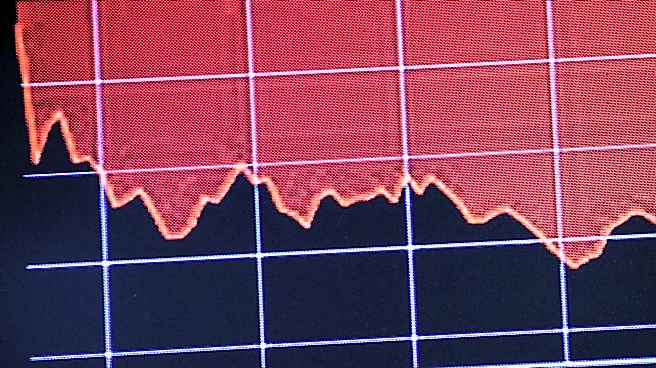
The situation highlights a critical divergence between Vistra's strong current financial performance and investor concerns regarding future growth prospects, particularly in Texas. Vistra's business model, which relies on generating and selling electricity, makes it highly sensitive to increased power consumption from large customers like data centers. Texas is a significant market for Vistra, with its Texas segment contributing approximately 52% of the company's Q3 adjusted EBITDA. The proposed moratorium on data center approvals could delay billions of dollars in AI infrastructure investment, potentially impacting Vistra's long-term electricity demand growth in the state. While Vistra's existing assets and diverse customer base provide a buffer, a prolonged regulatory process could slow the pace of new electricity demand development, affecting future power prices and growth opportunities. This creates a complex investment landscape where strong current earnings are weighed against potential future regulatory headwinds.
What's Next?
The immediate future will likely involve close monitoring of legislative developments in Texas regarding data center approvals. Governor-elect Hinojosa's administration will need to clarify the duration and specific requirements of the proposed moratorium, which could extend regulatory uncertainty into 2027. Vistra management has indicated they have not yet observed a significant shift in large-customer electricity demand from Texas to other markets, suggesting that developers may still be evaluating their options. The company will continue discussions with customers in both Texas and the PJM electricity market concerning existing facilities and new projects. Investors will be watching for actual permitting decisions, revised construction schedules, and any evidence of data center developers redirecting capital spending to other states or international markets, which could directly impact Vistra's long-term growth trajectory in its key operating regions.
Beyond the Headlines
The Texas data center moratorium underscores broader tensions between rapid technological expansion and local resource management. The AI industry's substantial electricity and water demands are prompting states to re-evaluate regulatory frameworks to balance economic growth with environmental and community concerns. This situation could set a precedent for other states considering similar restrictions, potentially leading to a more fragmented and complex regulatory landscape for data center development across the U.S. For Vistra, while its current earnings are robust, the long-term implications could involve strategic shifts in investment toward markets with more predictable regulatory environments or increased focus on energy efficiency solutions for its existing customer base. The debate also highlights the ethical considerations of resource allocation, as communities grapple with the trade-offs between attracting high-tech industries and ensuring sustainable access to essential resources like water and affordable electricity for residents.