








What's Happening?
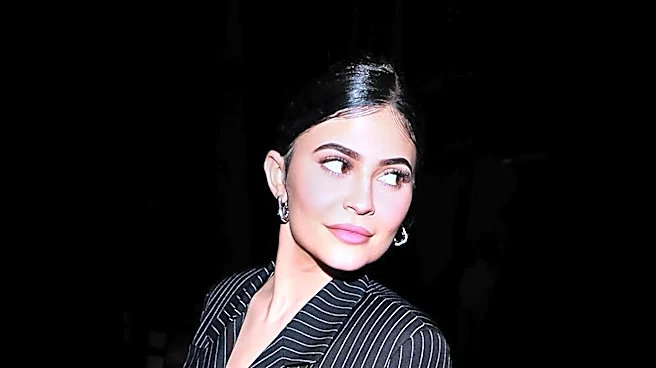
Kylie Jenner, a prominent entrepreneur and Hollywood figure, is being compared to classic Hollywood icon Elizabeth Taylor due to their shared influence on beauty and celebrity branding. Jenner, known for Kylie Cosmetics and Kylie Skin, has cultivated
a powerful brand through social media and direct communication with her audience. Her public identity is deeply intertwined with her business ventures, which include makeup, skincare, and fragrance. This modern approach to celebrity branding, where the individual actively participates in product development and promotion, is seen as a contemporary parallel to Taylor's transformation of her fame into successful fragrance and jewelry businesses. Both figures demonstrate how the line between entertainment and commerce blurs when audiences strongly associate a person with a particular lifestyle.
Why It's Important?
This comparison highlights a significant evolution in celebrity influence and branding within the U.S. market. Elizabeth Taylor's career established a model where a movie star could become a powerful commercial force, particularly in the fragrance industry. Kylie Jenner represents a new generation where celebrities leverage digital platforms and direct-to-consumer models to build extensive beauty ecosystems. This shift impacts how products are developed, marketed, and consumed, emphasizing personal branding and direct engagement with audiences. For businesses, it underscores the importance of a strong personal identity and consistent visual branding, where products feel like extensions of a recognizable lifestyle. The success of both figures demonstrates that a powerful personal image can significantly influence consumer behavior and create lasting commercial value.
What's Next?
The ongoing evolution of celebrity branding is likely to see further integration of personal identity with commercial ventures. Future celebrity brands may increasingly combine cosmetics, fragrance, skincare, fashion, digital experiences, memberships, and community engagement. This trend suggests that celebrities will continue to convert cultural attention into lasting businesses by building comprehensive lifestyle brands rather than relying on single-product endorsements. The ability to adapt to changing beauty trends and consumer preferences while maintaining a recognizable core identity will be crucial for long-term success in this competitive landscape. The comparison between Jenner and Taylor provides a framework for understanding how celebrity influence can continue to shape beauty culture and commerce.
Beyond the Headlines
The comparison between Kylie Jenner and Elizabeth Taylor delves into the deeper implications of celebrity as a commercial asset. It highlights how the concept of 'glamour' has transformed from a carefully staged, exclusive phenomenon in Taylor's era to a more frequent and accessible, yet still influential, digital presence in Jenner's time. This shift from admiration to participation in celebrity culture has profound effects on consumer psychology, as audiences are increasingly invited to 'recreate' rather than just 'admire.' The ethical dimension of this evolution lies in the authenticity of celebrity endorsements and the blurring lines between personal life and product promotion. Ultimately, both figures demonstrate that successful beauty influence is not merely about physical appearance but about effective storytelling and the creation of an emotional connection with an audience, making the celebrity an integral part of the product's emotional meaning.