



What's Happening?
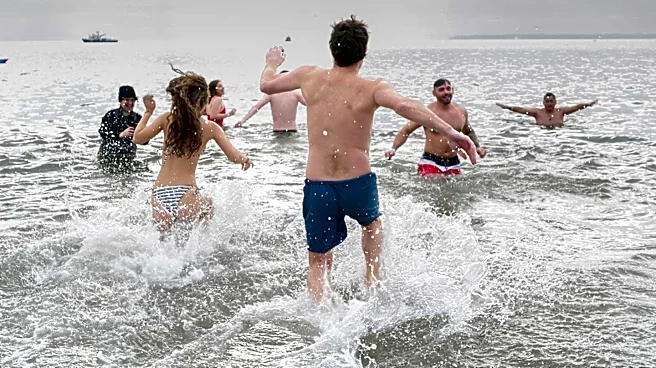
Cold plunging, which involves brief immersion in cold water typically between 45 to 59 degrees Fahrenheit, is gaining attention for its potential wellness benefits. Cleveland Clinic physical therapist Mark Lundblad explains that cold exposure activates
the sympathetic nervous system and neurochemical cascades, influencing circulation and hormones. This can lead to increased alertness, pain modulation, reduced swelling, improved sleep, and an enhanced sense of well-being. Physiologically, cold exposure acts as a form of hormesis, a controlled stress that triggers cellular repair processes, similar to exercise or fasting. While specialized cold plunge pools exist, Lundblad suggests more accessible methods like cold showers, baths, or dips in cold lakes or the ocean can provide similar benefits. Studies also indicate potential improvements in immune system support, mood, mental clarity, and even a reduction in missed workdays. Danish researchers have found that deliberate cold exposures can lead to small increases in brown fat, which is metabolically active and beneficial for body processes, including organ warmth.
Why It's Important?
The growing interest in cold plunging highlights a broader societal trend towards exploring alternative wellness practices to enhance physical and mental health. For individuals in the U.S., this trend could influence personal health routines and the wellness industry. The potential benefits, such as improved immune function, mood, and muscle recovery, could lead to increased adoption of cold exposure techniques. However, the emphasis on consulting a healthcare provider before starting, especially for those with pre-existing conditions like cardiovascular disease or diabetes, underscores the importance of medical oversight in wellness trends. This caution is crucial to prevent adverse health outcomes, as sudden cold exposure can constrict blood vessels, raise blood pressure, and increase cardiac workload. The social aspect of group cold plunges, as noted by Lundblad, also points to a community-building element within wellness, which can foster camaraderie and support for health-related activities.
What's Next?
Individuals considering cold plunging are advised to consult their healthcare provider before beginning, particularly those with cardiac disease, poor circulation, Raynaud’s disease, decreased sensation, a history of cold-related injury, or a rare cold allergy. These groups face higher risks, and for them, the potential risks may outweigh the benefits. The biggest immediate risk is hypothermia, so cold plunges should be brief, lasting only a minute or two. Beginners are encouraged not to be competitive and to focus on short durations to achieve the benefits without excessive discomfort. While cold plunging can be a valuable addition to a healthy lifestyle, it is not a substitute for fundamental health habits such as proper diet, adequate sleep, regular exercise, and hydration. For those who combine hot and cold exposures, such as saunas followed by cold plunges, research suggests ending with the cold to encourage the body to warm itself and support metabolic changes.
Beyond the Headlines
The rise of cold plunging as a wellness practice reflects a deeper societal inclination towards seeking 'biohacks' or natural methods to optimize health and performance. This trend challenges the conventional reliance solely on pharmaceutical interventions for well-being, promoting a more proactive and self-directed approach to health. The concept of hormesis, where controlled stress triggers beneficial cellular responses, suggests a re-evaluation of how the human body interacts with its environment. This could lead to broader acceptance and integration of similar 'stress-inducing' therapies, such as heat exposure or certain fasting protocols, into mainstream wellness. Furthermore, the social dimension of group cold plunges highlights the human need for community and shared experiences in health pursuits, potentially fostering new forms of social engagement centered around physical and mental resilience. The careful balance between seeking benefits and acknowledging risks also underscores the ethical responsibility of wellness practitioners and individuals to prioritize safety and informed decision-making.