



What's Happening?
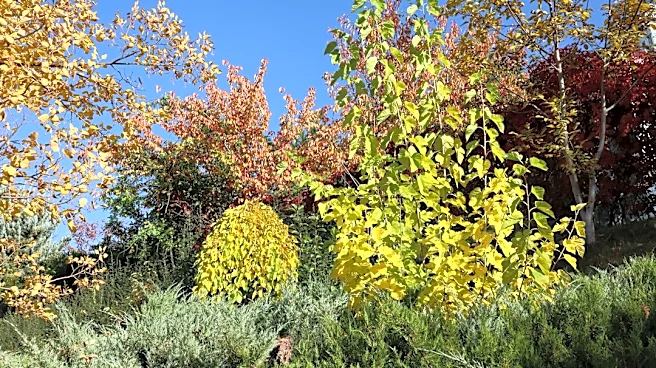
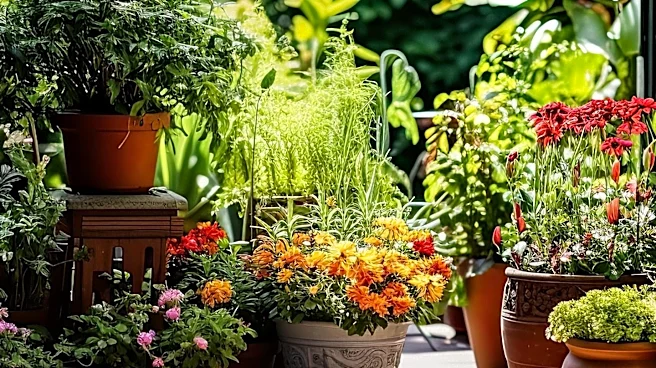
Fall container gardening provides an opportunity to extend the vibrancy of outdoor spaces well into late autumn. This gardening method focuses on selecting plants that thrive in cooler temperatures and display the characteristic bold colors of the fall
season. Key benefits include enhancing curb appeal with brightly colored planters and the ease of switching out plants to refresh arrangements seasonally. Popular plant choices for fall containers include chrysanthemums, ornamental kale and cabbage, pansies, violas, heuchera, and various grasses like fountain grass and carex. Gardeners are advised to deadhead flowers and remove debris to maintain tidy and productive planters. For frost-sensitive containers, it is recommended to move them to sheltered areas or protect them with frost barrier sheets if freezing temperatures are anticipated. This approach allows for continuous creativity and warmth in garden displays on porches, patios, and balconies.
Why It's Important?
Fall container gardening is important for homeowners and garden enthusiasts as it allows for the sustained aesthetic appeal of outdoor living spaces beyond the summer months. This practice contributes to a welcoming atmosphere, particularly for front entrances, by providing continuous color and texture. Economically, it supports the horticulture industry by encouraging the purchase of seasonal plants and gardening supplies during a period when traditional gardening might decline. For individuals, it offers a creative outlet and a way to engage with nature, potentially improving well-being. The flexibility of container gardening also means that those with limited space, such as apartment dwellers, can still participate in seasonal decorating and plant cultivation, making gardening accessible to a broader demographic. Furthermore, it promotes sustainable practices by encouraging the use of plants suited to local climates and conditions.
What's Next?
As fall progresses, gardeners will continue to maintain their container arrangements by watering consistently and protecting frost-sensitive plants. The transition into early winter may involve swapping out tired blooms for evergreen sprigs, berries, and holiday accents to further extend the life of the displays. Gardeners might also consider using slow-release fertilizers to nourish plants throughout the cooler season. Looking ahead, the success and popularity of fall container gardening could lead to increased demand for cold-hardy plant varieties and specialized fall-themed gardening products. Horticultural suppliers and nurseries may expand their offerings to cater to this growing trend, providing more diverse options for autumn planters. Educational resources on fall gardening techniques are also likely to become more prevalent, guiding enthusiasts on how to maximize their seasonal displays.
Beyond the Headlines
Beyond the immediate aesthetic benefits, fall container gardening reflects a broader cultural appreciation for seasonal transitions and the desire to maintain beauty and vibrancy in everyday environments. It highlights a shift in gardening practices, moving from purely functional or summer-centric approaches to a more year-round engagement with horticulture. This trend also underscores the psychological impact of nature and color on human well-being, as maintaining visually appealing outdoor spaces can contribute to a sense of comfort and cheer during cooler, darker months. Environmentally, it encourages a deeper understanding of plant resilience and adaptation to changing temperatures. The emphasis on choosing plants that thrive in cooler conditions also subtly promotes biodiversity and an appreciation for a wider range of flora beyond typical summer annuals, fostering a more holistic approach to gardening and landscape design.