





What's Happening?
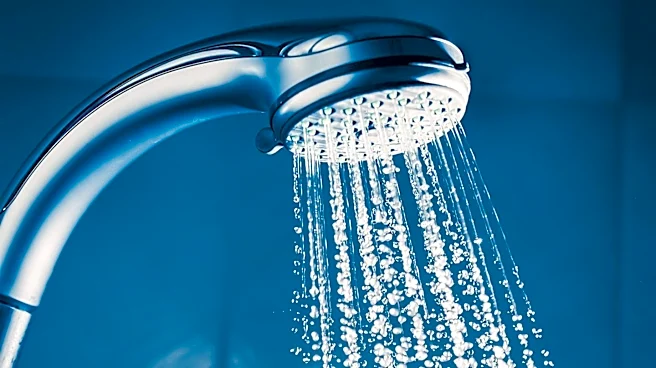
Dermatologists are advising against taking hot showers, especially lengthy ones, due to their detrimental effects on skin health. According to experts like Dr. Caren Campbell, a San Francisco-based board-certified dermatologist, hot water strips the skin of
its natural moisture barrier. This barrier is crucial for retaining moisture and protecting against allergens and irritants. When compromised, it can lead to dry skin, rashes, irritation, and an increased risk of developing allergies. While an occasional hot shower may not cause significant damage, consistent exposure to hot water, particularly for extended periods, is likely to dry out the complexion. The ideal shower temperature, as suggested by most dermatologists, is warm, staying close to body temperature, roughly 98 to 105 degrees Fahrenheit (37 to 40 degrees Celsius). If the water causes stinging, burning, or noticeable redness, it is too hot and indicates irritation and inflammation rather than cleansing.
Why It's Important?
This information is important for public health and personal care routines across the U.S. Many individuals view hot showers as a relaxing and cleansing ritual, unaware of the potential long-term harm to their skin. Understanding the impact of hot water on the skin's natural barrier can lead to healthier skin practices, potentially reducing the prevalence of dry skin conditions, eczema flare-ups, and general skin irritation. For the skincare industry, this insight could influence product development, emphasizing hydrating and barrier-repairing formulations. Consumers who adopt these recommendations may experience improved skin health, leading to a decreased need for dermatological interventions for dryness and irritation. Conversely, those who continue with hot shower habits may face ongoing skin issues, potentially increasing their reliance on moisturizing products and professional skin treatments.
What's Next?
Individuals are encouraged to adjust their shower habits by opting for lukewarm or even cold showers to protect their skin's natural moisture barrier. If hot showers are unavoidable, dermatologists recommend limiting their duration and immediately applying moisturizer afterward to trap hydration. This practice can help mitigate the drying effects of hot water and prevent issues like itching and worsening eczema. The skincare industry may see a continued emphasis on products designed to restore and maintain the skin barrier, such as those containing petroleum, hyaluronic acid, and ceramides. Public health campaigns or educational initiatives from dermatological associations could further disseminate this information, promoting healthier bathing practices nationwide. Consumers will likely become more discerning about water temperature and post-shower skincare routines.
Beyond the Headlines
Beyond the immediate impact on skin health, this advice highlights a broader shift towards understanding the subtle yet significant ways daily habits affect our well-being. The emphasis on maintaining the skin's natural barrier underscores a holistic approach to health, where external factors like water temperature are recognized for their biological consequences. This perspective encourages individuals to be more mindful of their routines and to question long-held practices that may not be beneficial. It also points to the ongoing role of scientific research and expert advice in debunking common misconceptions and guiding healthier lifestyle choices. The cultural perception of a 'hot shower' as a comfort or luxury might gradually evolve as awareness of its dermatological implications grows, leading to a more informed and health-conscious approach to personal hygiene.