






What's Happening?
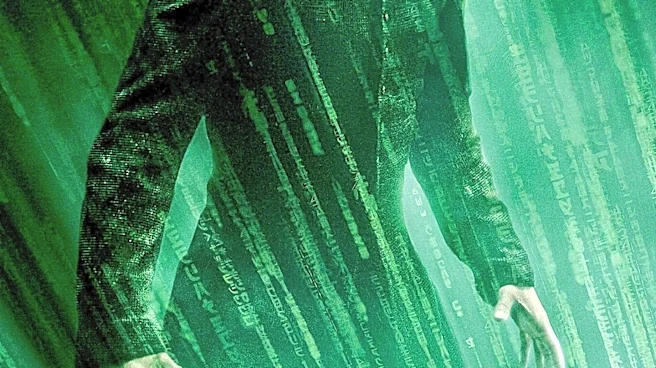
Lana and Lilly Wachowski, the original creators of 'The Matrix' film series, are reportedly seeking to reclaim the rights to the science fiction franchise. This move, if successful, could see Warner Bros. and its parent company Skydance lose control over
the intellectual property as early as February 2029. The potential reacquisition is based on copyright termination rights, which allow creators to end rights transfers after a specified period. This development comes as 'The Matrix 5' is already in development, with Drew Goddard announced as the director in 2024. While the Wachowskis have expressed support for Goddard's involvement, Lilly Wachowski has stated her personal disinterest in directing another 'Matrix' film. The original 'Matrix' film, released in 1999, was a significant success, grossing $463 million worldwide, followed by 'The Matrix Reloaded' ($739 million) and 'The Matrix Revolutions' ($427 million). The most recent installment, 'The Matrix Resurrections' (2021), had a more modest box office performance, earning $157 million.
Why It's Important?
The potential reacquisition of 'The Matrix' rights by the Wachowskis carries significant implications for the U.S. entertainment industry, particularly for Warner Bros. and Skydance. Losing control of a major franchise like 'The Matrix' could impact their long-term content strategies and revenue streams. For the Wachowskis, regaining the rights would grant them greater creative and financial control over the future of the universe they created. This situation highlights the growing importance of copyright termination rights for creators in Hollywood, offering a mechanism to reclaim ownership of their work after a period. The outcome could set a precedent for other creators seeking to reassert control over their intellectual property, potentially shifting power dynamics between creators and major studios. The ongoing development of 'The Matrix 5' under Drew Goddard's direction adds another layer of complexity, as the film's future could be influenced by the ownership of the franchise rights.
What's Next?
The future of 'The Matrix' franchise hinges on the outcome of the Wachowskis' reported efforts to reclaim the rights. If they succeed, Warner Bros. and Skydance would lose control of the franchise by February 2029, potentially leading to new distribution and production agreements. Drew Goddard's 'The Matrix 5' is currently in development, and while the Wachowskis have reportedly given their blessing, the long-term creative direction and involvement of original cast members like Keanu Reeves, Carrie-Anne Moss, and Laurence Fishburne remain uncertain. The situation could lead to negotiations between the Wachowskis and Warner Bros. regarding the future of the franchise, or the Wachowskis could choose to pursue new partnerships for future installments. The entertainment industry will be closely watching this case as it could influence how studios approach long-standing intellectual property and creator rights.
Beyond the Headlines
This situation delves into the complex legal and ethical landscape of intellectual property ownership in the film industry. Copyright termination rights, while designed to protect creators, can create significant challenges for studios that have invested heavily in developing and marketing franchises. The 'Matrix' case underscores the tension between a studio's desire to leverage established intellectual property and a creator's right to reclaim their original work. It also raises questions about the long-term value of creative control versus financial gain for filmmakers. The outcome could influence future contract negotiations between creators and studios, potentially leading to more favorable terms for creators in the initial stages of development. This ongoing legal battle highlights the evolving nature of ownership in the digital age and the increasing assertiveness of creators in reclaiming their artistic legacies.