




What's Happening?
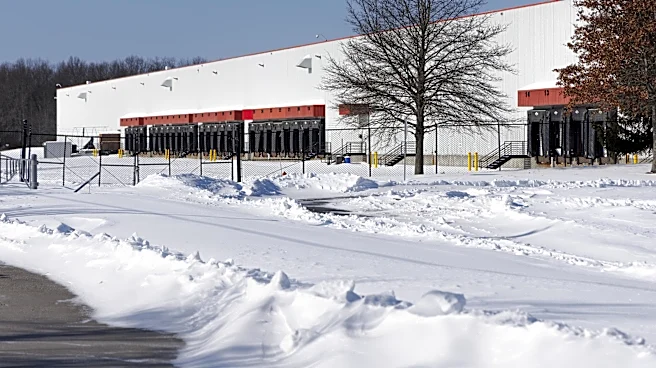
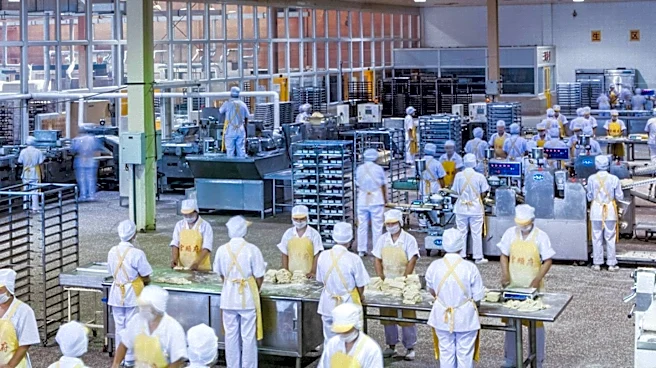
Conagra Brands, Inc. announced the closure of its Macon, Missouri ingredients plant, effective January 15, 2027. This decision will impact 442 employees. The company plans to consolidate its manufacturing operations by primarily shifting production from
the Missouri facility, which focuses on ingredients for frozen meals, to existing plants in Arkansas. This strategic move is part of Conagra's broader effort to optimize its manufacturing network and adapt to evolving consumer spending patterns. CEO John Brase noted that the decision follows a review of Conagra's manufacturing footprint. The company aims to reinforce its focus on more profitable segments, such as popcorn and meat sticks, while phasing out less successful brands like Celeste frozen pizza. Conagra's recent forecast anticipates a 1% to 3% drop in organic net sales for fiscal year 2027, reflecting industry challenges driven by inflation and changing consumer preferences.
Why It's Important?
This plant closure and production shift by Conagra Brands highlight the increasing pressure on food and beverage companies to streamline operations and adapt to dynamic market conditions. The move underscores a broader industry trend where companies are re-evaluating their manufacturing footprints to enhance efficiency and align with shifting consumer demands, particularly towards healthier food options and away from certain frozen meal categories. For the affected employees in Macon, Missouri, the closure represents a significant economic disruption, necessitating potential workforce transition services and support. Conversely, the shift of production to Arkansas could create new contract opportunities for local suppliers and service providers in that region, as well as for businesses specializing in facility decommissioning and equipment relocation. The strategic consolidation reflects Conagra's proactive approach to maintaining profitability in a challenging economic environment characterized by reduced consumer spending and inflationary pressures.
What's Next?
The Macon, Missouri plant is scheduled to cease operations on January 15, 2027. In the interim, Conagra Brands will likely manage the transition of its 442 employees, potentially offering severance packages, outplacement services, or opportunities for relocation to other facilities where feasible. Local and state governments in Missouri may need to address the economic impact on the community, potentially through job fairs or retraining programs for displaced workers. In Arkansas, Conagra's existing plants will prepare to absorb the increased production volume, which could involve hiring additional staff or investing in new equipment. Industry observers will be watching Conagra's financial performance in fiscal year 2027 to see if these strategic consolidations contribute to improved organic net sales and overall profitability, especially given the forecasted decline. The company's focus on profitable segments like popcorn and meat sticks will be key to its future growth.
Beyond the Headlines
The closure of Conagra's Missouri plant reflects a deeper trend within the U.S. food manufacturing sector: the continuous need for agility and strategic adaptation in response to evolving consumer preferences and economic pressures. This move signals a broader industry shift away from less profitable legacy products towards more dynamic and consumer-aligned offerings. It also highlights the ongoing challenge for established food companies to balance traditional brand loyalty with the demand for innovation and healthier alternatives. The decision to consolidate production in Arkansas suggests a strategic optimization of supply chains and logistics, aiming for greater efficiency and cost savings. This could lead to a more centralized and potentially more resilient manufacturing network for Conagra, but it also raises questions about regional economic impacts and the future of manufacturing jobs in communities heavily reliant on single employers. The emphasis on 'healthier food options' also points to a long-term cultural shift in American dietary habits, compelling food giants to re-evaluate their entire product portfolios.