






What's Happening?
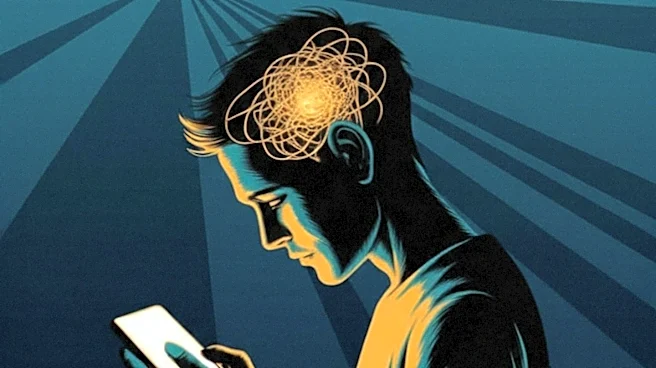
Mental health applications are increasingly being adopted as essential lifestyle tools, offering users various features to manage their mental well-being. These apps include mood trackers, meditation guides, and sleep aids. For instance, Finch gamifies
self-care by rewarding users with virtual pets for completing wellness exercises like mood journaling and breathing. Daylio provides micro-journaling capabilities, allowing users to quickly log their moods and activities. Additionally, AI-powered sleep coaches, such as those offered by Rest, deliver personalized guidance to enhance sleep habits. The goal of these applications is to integrate seamlessly into daily routines, providing accessible and quick self-care options. Many of these apps operate on a freemium model, offering core features for free while subscriptions unlock advanced functionalities, deeper insights, or additional customization. Experts emphasize that while these apps are beneficial for promoting positive habits and mental resilience, they are not a substitute for professional mental health care.
Why It's Important?
The rise of mental health apps as lifestyle staples signifies a significant shift in how individuals approach personal well-being in the U.S. This trend reflects a growing demand for accessible, convenient, and personalized mental health support, particularly as traditional healthcare systems face challenges in meeting the full scope of mental health needs. For the technology industry, this represents a burgeoning market, driving innovation in AI, gamification, and user experience design within the health sector. For individuals, these apps offer a low-barrier entry point to self-care, potentially reducing stress, improving sleep, and fostering positive habits. However, it also raises questions about data privacy and the efficacy of self-guided interventions compared to professional therapy. The integration of these tools into daily life could lead to a more proactive approach to mental health, potentially reducing the stigma associated with seeking support and encouraging continuous self-monitoring and improvement.
What's Next?
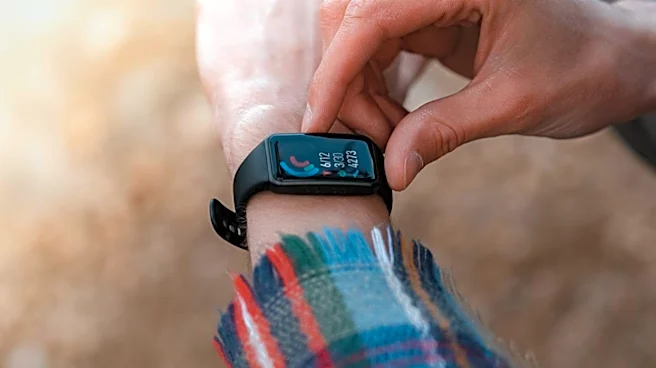
The mental health app market is expected to continue its rapid expansion, with ongoing advancements in artificial intelligence and personalized user experiences. Future developments may include more sophisticated AI companions capable of nuanced conversations and tailored support, as well as enhanced integration with wearable technology for real-time biometric feedback. There will likely be increased scrutiny regarding the scientific validation of these apps' claims and greater emphasis on data security and privacy protocols to protect sensitive user information. As these apps become more prevalent, regulatory bodies may also begin to establish guidelines for their development and deployment, particularly concerning their role in clinical care versus general wellness. The industry may also see more partnerships between app developers and traditional healthcare providers to create hybrid models of care that combine digital tools with professional oversight.
Beyond the Headlines
The widespread adoption of mental health apps carries deeper implications for societal norms and individual autonomy. On one hand, these tools empower individuals to take a more active role in their mental health, fostering a culture of self-awareness and proactive care. On the other hand, the reliance on technology for emotional regulation could inadvertently lead to a diminished capacity for introspection or over-reliance on external validation from algorithms. Ethical considerations surrounding the use of AI in mental health, particularly concerning diagnostic capabilities and therapeutic recommendations, will become increasingly prominent. The gamification of self-care, while effective for engagement, also raises questions about whether complex emotional processes are being oversimplified. Furthermore, the accessibility of these apps could exacerbate digital divides, as individuals without reliable internet access or smartphones may be left behind in this evolving landscape of mental wellness support.