



What's Happening?
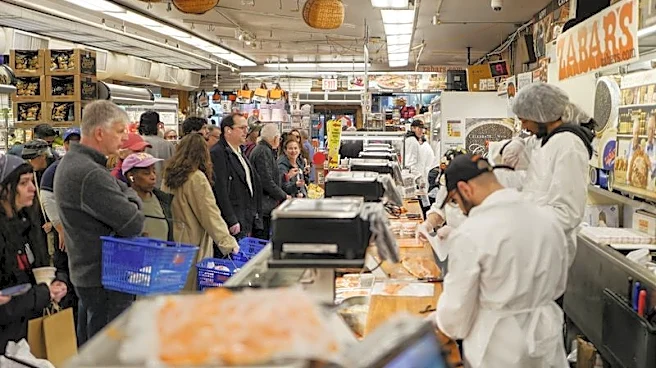
U.S. retail sales experienced a slowdown in October, rising by only 0.2%, a notable decrease from the 0.8% gain recorded in September. This deceleration indicates that American consumers are becoming more cautious with their spending due to prevailing
economic uncertainty and elevated prices. The Commerce Department's report highlighted that sales at motor vehicle and parts dealers saw a 1.6% drop, reversing a previous increase. While gas station sales rose by 1.5%, excluding this category, overall retail sales increased by a mere 0.1%. Sectors such as clothing stores, furniture and home furnishing retailers, and even hobby stores reported declines. However, online retailers provided a bright spot, with a 1.2% increase in sales, partly attributed to an Amazon Prime Day event held in early October. Despite the overall slowdown, the 'control group' of retail sales, which excludes volatile categories like food services, autos, building materials, and gas, rose by a solid 0.6%, a metric often used to calculate economic growth.
Why It's Important?
The slowdown in retail sales is a critical indicator of shifting consumer behavior and broader economic health in the U.S. It suggests that inflationary pressures and economic uncertainties are compelling households to tighten their budgets, impacting various sectors from automotive to apparel. This trend could signal a challenging holiday shopping season for many retailers, despite their efforts to offer deals and emphasize affordability. The cautious consumer sentiment, as noted by Heather Long, chief economist at Navy Federal Credit Union, indicates that many middle-class and moderate-income households are feeling the strain of higher costs. While a recent drop in gas prices might offer some relief, overall prices remain significantly higher than the previous year. The resilience of online retail, however, underscores the ongoing shift in shopping preferences and the importance of e-commerce platforms in the current economic landscape.
What's Next?
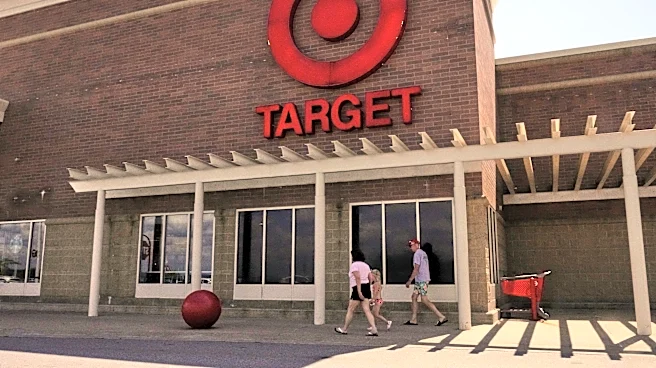
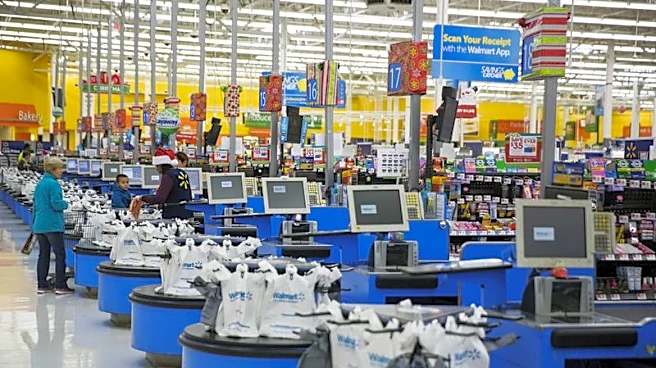
Retailers are now bracing for the crucial Thanksgiving weekend, which traditionally marks the unofficial start of the holiday shopping season. Companies like Kohl's, Target, and Walmart are intensifying their marketing efforts, focusing on affordability and offering numerous deals to attract price-sensitive consumers. The effectiveness of these strategies will be key in determining the overall success of the holiday shopping period. While consumers are increasingly relying on credit cards to finance their purchases, credit experts like Charles Wise from TransUnion note that delinquency rates have remained stable, suggesting that consumers are managing their debt responsibly for now. The job market's continued strength is also seen as a potential buffer, with some mall owners remaining optimistic that employment stability will continue to support consumer spending, particularly among middle-class customers and younger generations frequenting movie theaters.
Beyond the Headlines
The current retail sales data points to a deeper narrative about the evolving relationship between consumers, inflation, and economic confidence. The decline in discretionary spending on items like clothing, furniture, and hobbies suggests a reprioritization of household budgets, with consumers focusing on essentials or seeking greater value. This shift could lead to long-term changes in retail strategies, pushing companies to innovate not just in pricing but also in product offerings and customer engagement to retain market share. The sustained growth in online retail, even amidst a general slowdown, highlights the enduring power of digital platforms and the need for traditional brick-and-mortar stores to integrate seamless omnichannel experiences. Furthermore, the stability in credit card delinquency rates, despite increased reliance on credit, indicates a complex consumer financial landscape where households are navigating economic pressures with a degree of caution and financial management.