


What's Happening?
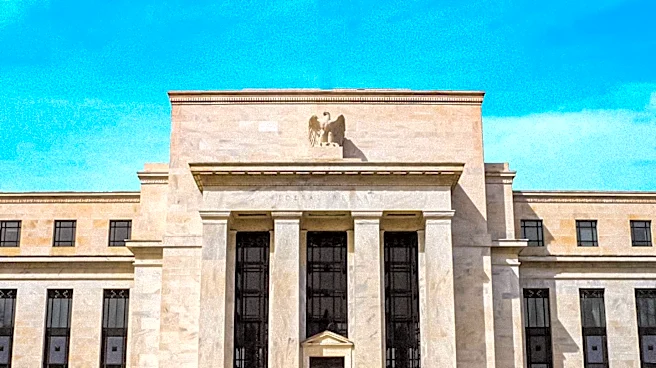
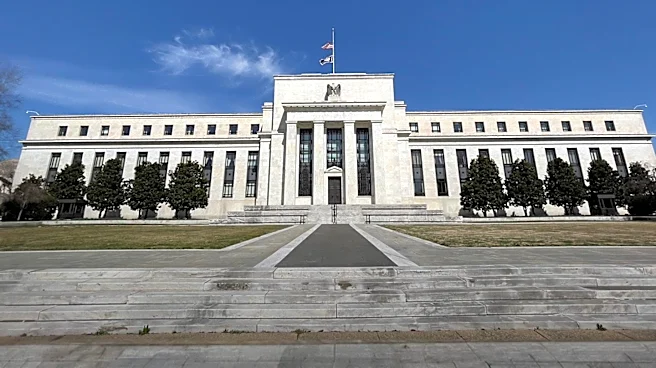
Federal Reserve Governor Lisa Cook has indicated that the central bank may need to raise interest rates if inflation does not begin to decrease. Speaking at the 2026 Economic Luncheon of the Anchorage Economic Development Corporation, Cook emphasized
the need to address the 'too high' levels of inflation in the U.S. economy. Inflation, as measured by the personal consumption expenditures price index, stood at 3.7% in June, significantly above the Fed's 2% target. Cook expressed concern that inflation could become entrenched in price- and wage-setting behaviors, making it more challenging to control. Despite these concerns, the Fed recently decided to keep the federal funds target rate unchanged, a decision that faced dissent from some officials.
Why It's Important?
The potential for an interest rate hike by the Federal Reserve is significant for the U.S. economy, as it could impact borrowing costs for consumers and businesses, influence investment decisions, and affect overall economic growth. The Fed's actions are closely watched by financial markets, and any changes in interest rates can have widespread implications for economic stability. Cook's comments reflect the ongoing debate within the Fed about how best to balance the dual mandate of controlling inflation and supporting employment. The decision to potentially raise rates underscores the Fed's commitment to maintaining price stability, even as it navigates complex economic conditions.
What's Next?
The Federal Reserve will continue to monitor inflation trends and economic indicators to determine the appropriate course of action. If inflation remains high, the Fed may decide to raise interest rates in future meetings. This decision will be influenced by various factors, including global economic conditions, domestic economic performance, and the impact of external events such as geopolitical tensions and technological advancements. Stakeholders, including businesses, investors, and policymakers, will be closely watching the Fed's next moves and their potential impact on the economy.