


What's Happening?
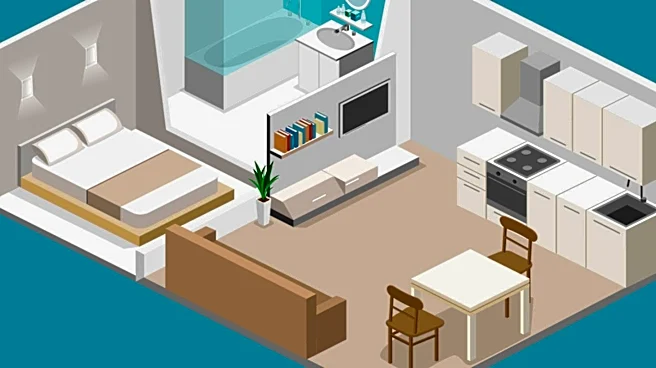
Apartment building managers and developers are increasingly adopting smart home technology to enhance living spaces, attract tenants, and increase property value. These upgrades go beyond basic convenience, focusing on improved energy efficiency, strengthened
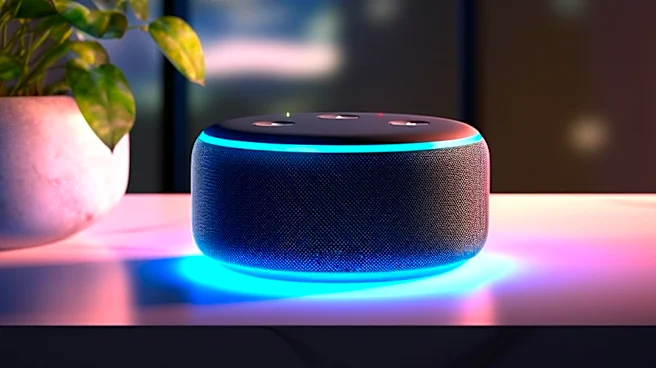
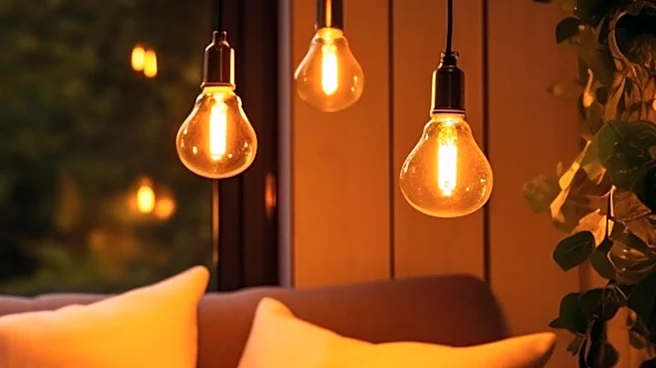
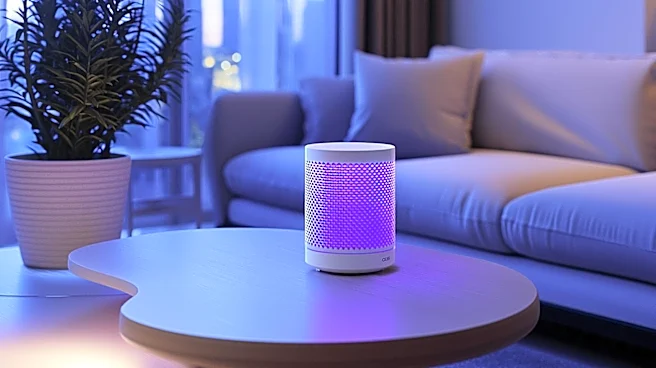
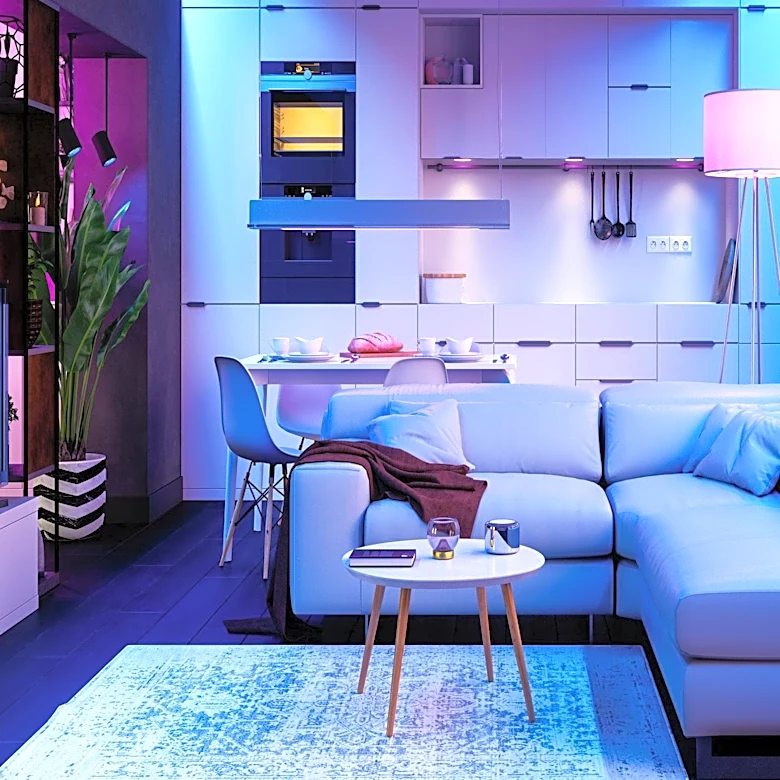
security, and streamlined operational control. Key smart home enhancements include advanced access control systems, smart climate control and energy management, and integrated security systems. Smart access solutions offer keyless entry, mobile app integration, and real-time access logs, replacing traditional keys. Smart thermostats and automated HVAC systems optimize energy use and provide residents with greater control over their comfort, aligning with growing eco-consciousness. Integrated smart home systems, often controlled via voice assistants or centralized mobile apps, offer a cohesive living experience by managing lighting, blinds, and entertainment. High-speed connectivity and IoT infrastructure are foundational to these systems, ensuring reliable performance and future-proofing properties.
Why It's Important?
The integration of smart home technology in apartment buildings is crucial for staying competitive in a demanding property market. These upgrades directly address evolving resident expectations for modern, connected living, making properties more attractive and potentially commanding higher rental income. Enhanced security features provide peace of mind for residents and owners, while energy management systems contribute to sustainability goals and reduce utility costs, appealing to eco-conscious tenants willing to pay a premium. For property owners and investors, these innovations offer measurable benefits, including reduced vacancy rates and enhanced long-term asset value. The ability to centralize control and gain visibility across devices through building management system (BMS) integration further optimizes operational efficiency, impacting the bottom line for real estate leaders who prioritize such technologies for cost savings and sustainability.
What's Next?
The trend of integrating smart home technology into apartment buildings is expected to continue, with a focus on strategic implementation to maximize impact. Future developments will likely prioritize features that offer both operational and financial benefits, starting with security and access systems due to their immediate returns in tenant satisfaction and operational savings. The emphasis will be on seamless integration across multiple platforms, moving away from disconnected devices to create intuitive user experiences. Property developers will need to plan for long-term scalability, selecting systems that can easily expand and adapt to evolving technology without requiring complete overhauls. Partnering with reliable vendors will be critical to ensure system reliability, ongoing support, and a strong return on investment. As technology advances, the demand for advanced fiber connections, 5G support, and building-wide Wi-Fi hotspots will grow, further solidifying the role of robust infrastructure in smart building ecosystems.
Beyond the Headlines
Beyond the immediate benefits of convenience and efficiency, the widespread adoption of smart home technology in apartment buildings signals a broader shift in urban living and property management. This evolution raises important considerations regarding data privacy and cybersecurity, as integrated systems collect vast amounts of data on usage and occupancy. The reliance on interconnected devices also highlights the need for robust and secure network infrastructures to prevent potential vulnerabilities. Furthermore, the increasing sophistication of these systems could lead to a digital divide, where access to premium, technologically advanced living spaces becomes a differentiator, potentially impacting housing equity. The ethical implications of pervasive monitoring and data collection within private residences will likely become a more prominent discussion point, shaping future regulations and consumer expectations for smart living environments.