







What's Happening?
The Overland Park City Council has unanimously approved the initial phase of Black & Veatch's billion-dollar headquarters redevelopment plan. This approval follows over a year of planning efforts, with the new office space projected to be completed by
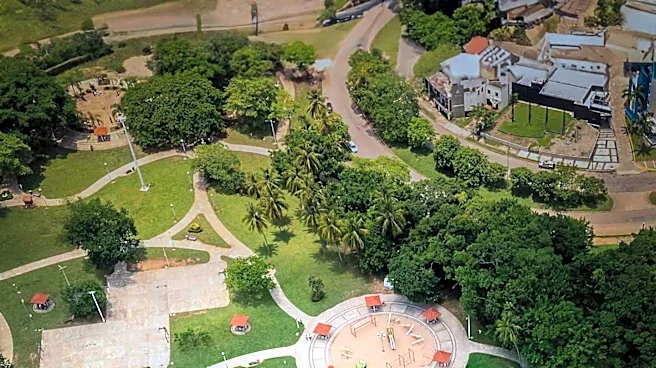
2030. The global engineering firm, which has operated in Overland Park for 50 years, initially announced the $1.3 billion plan last May. The project aims to transform its headquarters, located off 115th Street and Lamar Avenue, into a walkable district featuring various housing options, retail spaces, and other amenities. Mayor Curt Skoog emphasized the importance of modern office facilities for attracting talent, stating, 'Our industry is office space and employers need to attract talent. And to attract talent, they need to have office facilities that meet today's expectations.' Black & Veatch Chairman and CEO Mario Azar expressed pride in continuing and strengthening the company's presence in Overland Park and the greater Kansas City area.
Why It's Important?
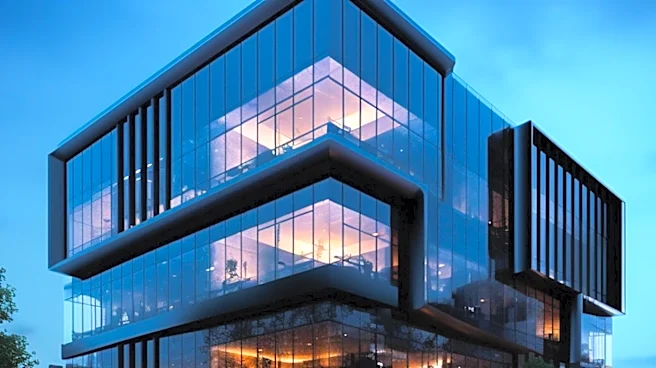
This redevelopment is significant for Overland Park as it represents the city's largest Tax Increment Financing (TIF) district south of Interstate 435, signaling a major investment in a key corridor. The project aligns with Overland Park's long-range plan to revitalize Central Overland Park into a more walkable, vibrant, and engaging area for residents, workers, and visitors. The city views this as an opportunity to transform the College Boulevard corridor into a modern workplace environment. The first phase alone includes a 729,000-square-foot office space, a 298-unit apartment complex, commercial space, a 2,600-space parking garage, and a childcare center for Black & Veatch employees. The firm anticipates that the fully built-out headquarters will employ at least 2,033 full-time individuals with an average salary of at least $100,000, contributing substantially to the local economy and talent retention.
What's Next?
The project will proceed in five phases, with the first phase being contractually committed. The additional phases, which include nearly 500 units of apartments and townhomes, a 250-room hotel, and over 8,000 square feet of commercial space, will require further City Council approval at later dates. Black & Veatch has requested a $253 million TIF District, which will utilize increased property tax revenues for 20 years, along with a 1.5% community improvement district sales tax and a sales tax exemption on construction materials. The developer estimates a $549 million budget for the first phase, with eligibility for $27.5 million in reimbursements from the TIF district. The city has provisions to claw back incentive funds if the developer fails to meet the development agreement's requirements. This project is expected to serve as a model for future redevelopment efforts in the area.
Beyond the Headlines
The Black & Veatch redevelopment project highlights a broader trend in urban planning and corporate strategy: the creation of integrated, walkable districts to attract and retain talent. By investing in a mixed-use environment that combines office space with housing, retail, and amenities, companies like Black & Veatch are responding to evolving employee expectations for work-life balance and community engagement. This approach can foster a more dynamic urban core, potentially reducing commute times and promoting local businesses. The use of a TIF district also underscores the role of public-private partnerships in driving large-scale urban renewal, where future tax revenues are leveraged to finance current development. This model, while beneficial for economic growth, also raises questions about equitable development and the long-term impact on existing communities and infrastructure.