





What's Happening?
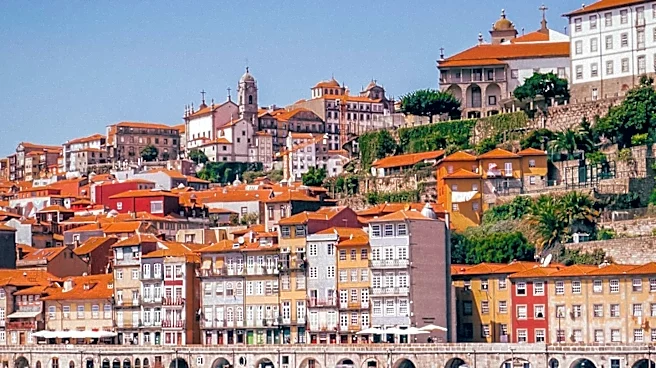
Portugal presents a varied array of travel experiences during the winter months, catering to different preferences, from cultural exploration to outdoor activities. Cities like Lisbon and Porto are highlighted for their rich history, cultural sites, and architectural
beauty, offering opportunities to explore museums, historic neighborhoods, and local cuisine. The Douro Valley is recommended for wine enthusiasts, providing wine-tasting experiences amidst scenic terraced landscapes. For those seeking warmer climates and coastal serenity, the Algarve region offers beaches, cliffs, and charming towns, with quieter conditions during winter. Madeira is noted for its natural landscapes, mountains, and waterfalls, appealing to hikers, while Sintra offers architectural and heritage sites like the Pena Palace. Serra da Estrela provides a mountain experience with potential for snow, and the Azores offers thermal waters.
Why It's Important?
The promotion of Portugal as a diverse winter travel destination is significant for its tourism industry and broader economy. By highlighting a range of activities beyond typical summer beach holidays, Portugal aims to attract a year-round influx of tourists, thereby stabilizing tourism-related employment and revenue. This strategy helps to mitigate the seasonal fluctuations often experienced by coastal destinations, supporting local businesses, hotels, and cultural institutions throughout the colder months. For travelers, it offers an alternative to crowded summer destinations, providing a more intimate and often more affordable experience. The emphasis on cultural immersion, culinary delights, and active pursuits like hiking and surfing also positions Portugal as a multifaceted destination, appealing to a wider demographic of international visitors and contributing to its global image as a rich and varied travel hub.
What's Next?
Portugal's tourism sector will likely continue to develop and promote these diverse winter offerings, potentially through targeted marketing campaigns in key international markets. This could involve collaborating with tour operators and travel agencies to create specialized winter packages that highlight specific regions and activities, such as wine tours in the Douro, cultural excursions in Lisbon and Porto, or outdoor adventures in Madeira and the Algarve. Investment in infrastructure supporting winter tourism, such as improved access to hiking trails or enhanced thermal spa facilities, may also be considered. Furthermore, ongoing efforts to ensure the sustainability of these attractions, balancing tourist influx with environmental preservation and local community well-being, will be crucial for long-term success. The aim will be to solidify Portugal's reputation as a premier year-round European destination.
Beyond the Headlines
The strategic promotion of winter tourism in Portugal reflects a broader global trend in the travel industry towards sustainable and diversified tourism models. Many destinations are moving away from over-reliance on peak-season travel to distribute economic benefits more evenly throughout the year and reduce the environmental and social pressures of mass tourism. By showcasing its cultural heritage, natural beauty, and culinary traditions, Portugal is tapping into the growing demand for authentic and experiential travel. This approach not only boosts the economy but also helps preserve local cultures and environments by encouraging a more thoughtful and dispersed form of tourism. It also highlights the importance of adaptability in the tourism sector, as destinations continually seek innovative ways to attract visitors and remain competitive in a dynamic global market, while offering unique experiences that cater to evolving traveler preferences.