





What's Happening?
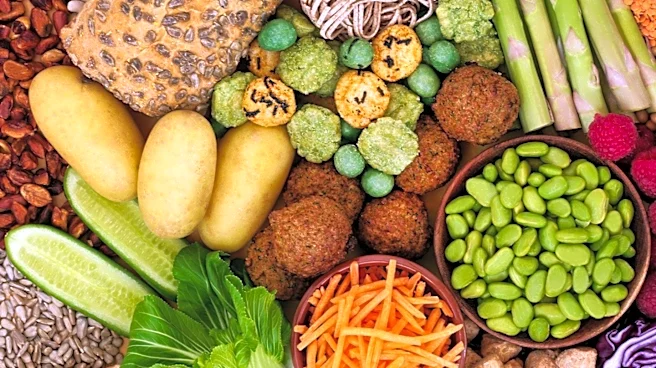
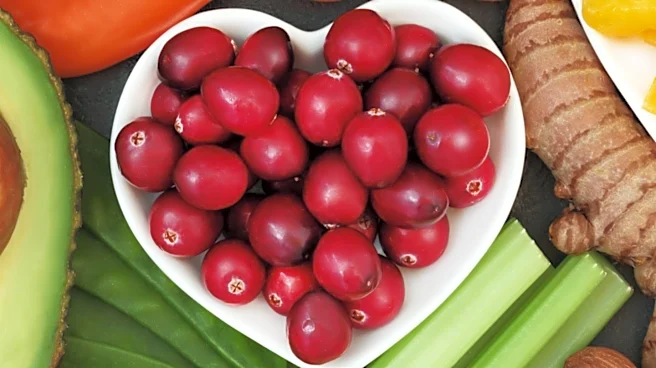
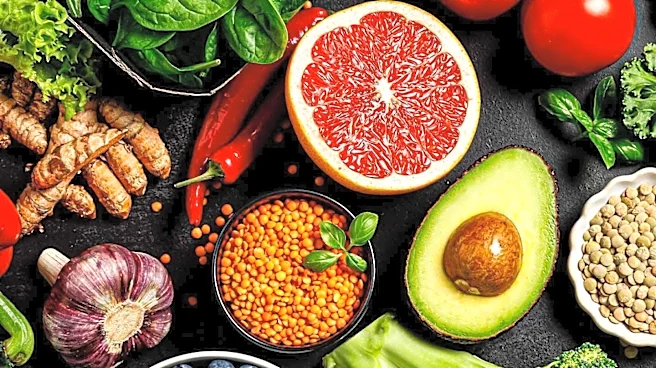
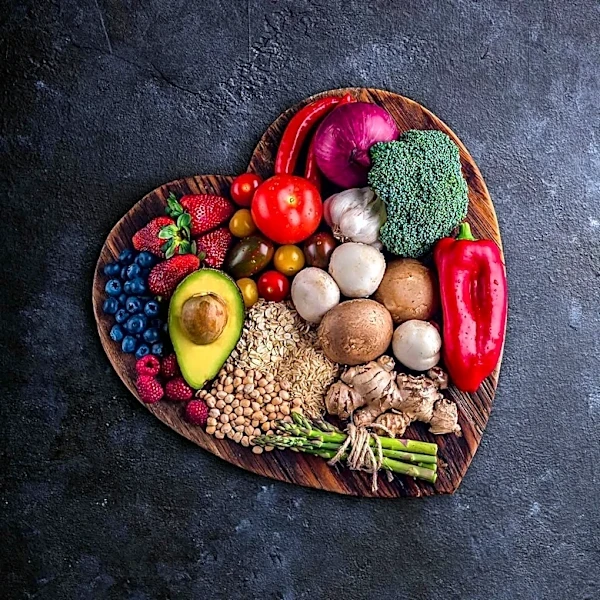
An anti-inflammatory diet focuses on consuming whole, minimally processed foods to support overall health and regulate inflammatory processes, according to Peninsula Integrative Medicine. Key components of this diet include colorful vegetables and fruits,
beans, lentils, whole grains, nuts, seeds, olive oil, and omega-3-rich fish like salmon. These foods are rich in fiber, healthy fats, vitamins, minerals, and plant compounds that contribute to immune function, blood sugar regulation, and gut microbiome health. The approach advocates for dietary variety rather than relying on single 'superfoods' and recommends limiting excessive added sugars, highly processed foods, and alcohol. The types of fats consumed are particularly important, with extra-virgin olive oil, avocados, walnuts, chia seeds, flaxseeds, and oily fish providing unsaturated fats beneficial for cardiovascular and metabolic health. Omega-3 fatty acids, specifically, play a role in the body's regulation of inflammation.
Why It's Important?
This dietary approach is significant for public health as chronic inflammation is linked to various health issues, including fatigue, brain fog, joint pain, digestive problems, depression, hormonal imbalances, and numerous chronic conditions. By emphasizing a diet rich in anti-inflammatory foods, individuals can potentially mitigate these risks and support their body's natural healing and immune responses. The focus on whole foods also promotes a balanced intake of essential nutrients, fiber, and protein, which are crucial for maintaining muscle, supporting tissue repair, regulating blood sugar and cholesterol, and nourishing beneficial gut microbes. Adopting such a diet can empower individuals to make proactive choices for their long-term well-being, potentially reducing the burden on healthcare systems by preventing or managing inflammation-related ailments.
What's Next?
Individuals are encouraged to integrate these dietary principles into their daily lives by making small, consistent changes. This could involve adding more vegetables to meals, choosing healthy fats, and reducing reliance on ultra-processed foods. Healthcare professionals may continue to recommend such dietary patterns as a foundational element of a holistic health strategy, alongside other lifestyle factors like physical activity, adequate sleep, and stress management. Further research may continue to refine specific recommendations and explore the long-term impacts of these dietary patterns on various inflammatory conditions. The emphasis remains on a sustainable and balanced eating pattern tailored to individual needs, rather than strict, restrictive diets.
Beyond the Headlines
The concept of an anti-inflammatory diet extends beyond mere nutrition, highlighting the intricate connection between food, immune function, and overall physiological balance. It underscores a shift towards viewing food as 'information' that signals to the body's systems, influencing everything from immune responses to gut health. This perspective challenges the conventional focus on calorie counting alone, advocating for a deeper understanding of food's biochemical impact. Ethically, it promotes accessible and natural ways to manage health, potentially reducing reliance on pharmaceutical interventions for inflammation-related issues. Culturally, it encourages a return to traditional eating patterns centered on whole, unprocessed foods, moving away from the modern diet often characterized by processed and sugary items. This holistic view suggests that dietary choices are not just about individual health but also about fostering a more sustainable and health-conscious society.