




What's Happening?
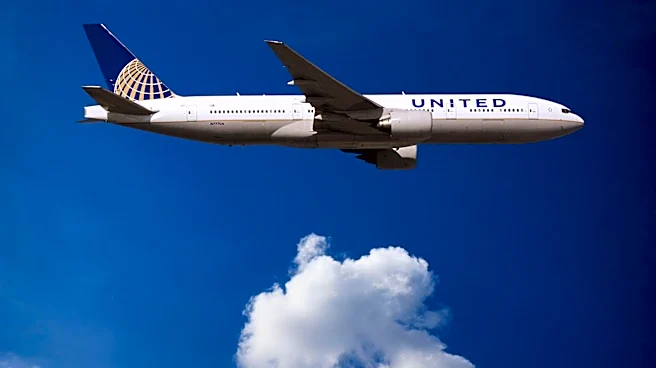
United Airlines CEO Scott Kirby and Global Chief Information Officer Toby Enqvist have hinted at upcoming announcements regarding new long-haul routes, with at least one originating from Denver. Kirby specifically mentioned something 'really special'
is coming. Speculation includes new service to Scandinavia, with Copenhagen, Stockholm, and Oslo as potential destinations, and additional routes to Central and Eastern Europe like Prague and Budapest. There are also predictions for increased transpacific flying, including the return of Chicago-Hong Kong and new routes from Los Angeles to Manila or Singapore. A significant wild card prediction is the potential reintroduction of United's historic around-the-world service, UA1/UA2, connecting North America, Europe, India, and East Asia. The airline is also expected to expand its presence at New York JFK, leveraging new slots for transcontinental flights to Los Angeles and San Francisco, and potentially even a JFK-London route.
Why It's Important?
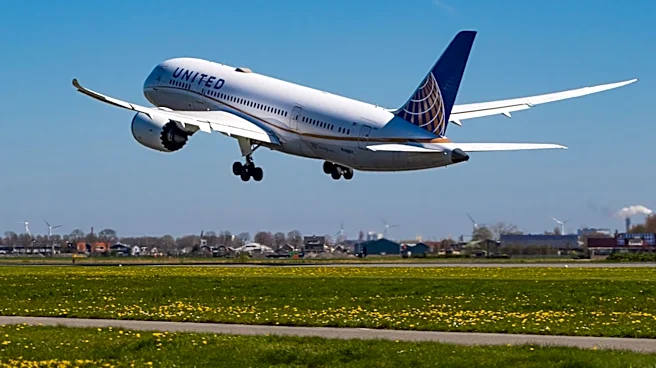
These potential route expansions signify United Airlines' aggressive strategy to leverage its growing fleet, including the Airbus A321XLRs, Coastliners, and Boeing 787-9s, to open new markets and strengthen existing ones. The A321XLRs are particularly crucial for thinner long-haul routes to smaller European cities, allowing United to serve markets previously deemed unviable. Expanding to Scandinavia and Central Europe could capture new passenger flows, especially after SAS's departure from Star Alliance. Re-establishing around-the-world service would be a bold move, enhancing United's global prestige and offering unique connectivity options, potentially addressing operational difficulties for U.S.-India flights. Increased JFK presence would intensify competition on premium transcontinental routes and potentially challenge rivals in the lucrative New York-London market, impacting overall airline industry dynamics and consumer choices for international and domestic travel.
What's Next?
United Airlines is expected to make official announcements regarding these new routes next week. The airline's fleet expansion, with over 250 new aircraft anticipated by April 2028, will enable these strategic moves. The A321XLRs are slated to begin international flying in early 2027, opening up numerous possibilities for new destinations. The new Coastliner aircraft will be instrumental in rebuilding transcontinental service from JFK. Stakeholders, including competitors, travel agencies, and passengers, will closely watch these announcements for their implications on market share, travel options, and pricing. The airline's strategy will likely focus on optimizing its hub connections and leveraging its new aircraft capabilities to enhance its global network and competitive position.
Beyond the Headlines
The potential reintroduction of an around-the-world service by United Airlines goes beyond mere route expansion; it represents a strategic play for brand identity and market differentiation. Such a service, reminiscent of a bygone era of glamorous air travel, could capture the imagination of travelers and position United as a truly global carrier offering unparalleled connectivity. It also reflects a broader industry trend where airlines are looking for innovative ways to utilize new aircraft technology to create unique travel experiences and overcome geopolitical challenges, such as those affecting U.S.-India routes. The expansion into new European markets and increased presence at JFK also signal a renewed focus on premium services and competitive positioning in key global gateways, potentially reshaping passenger expectations for long-haul and transcontinental travel.