


What's Happening?
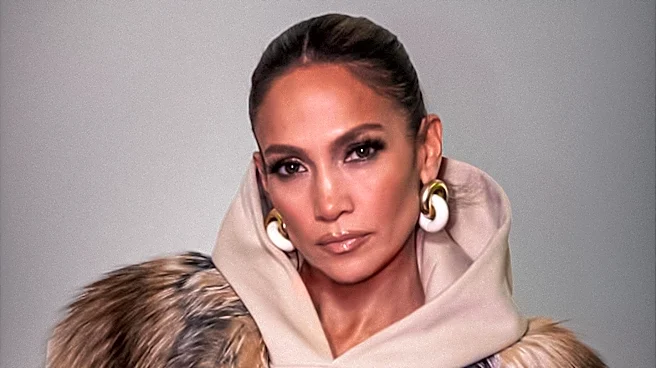
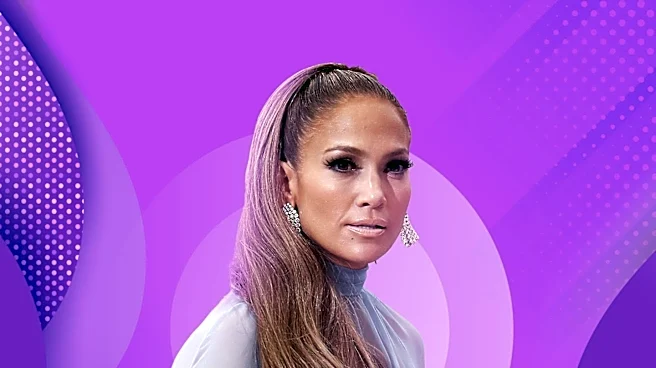
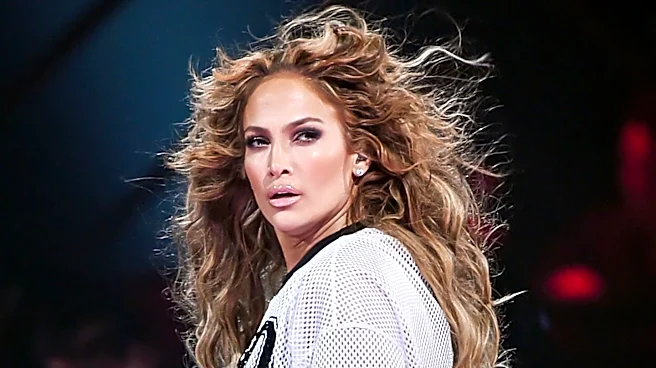
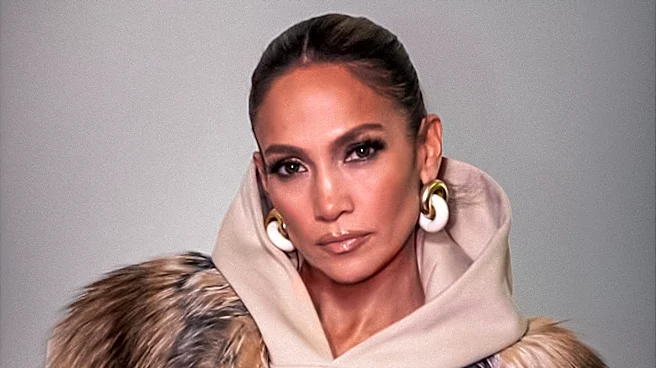
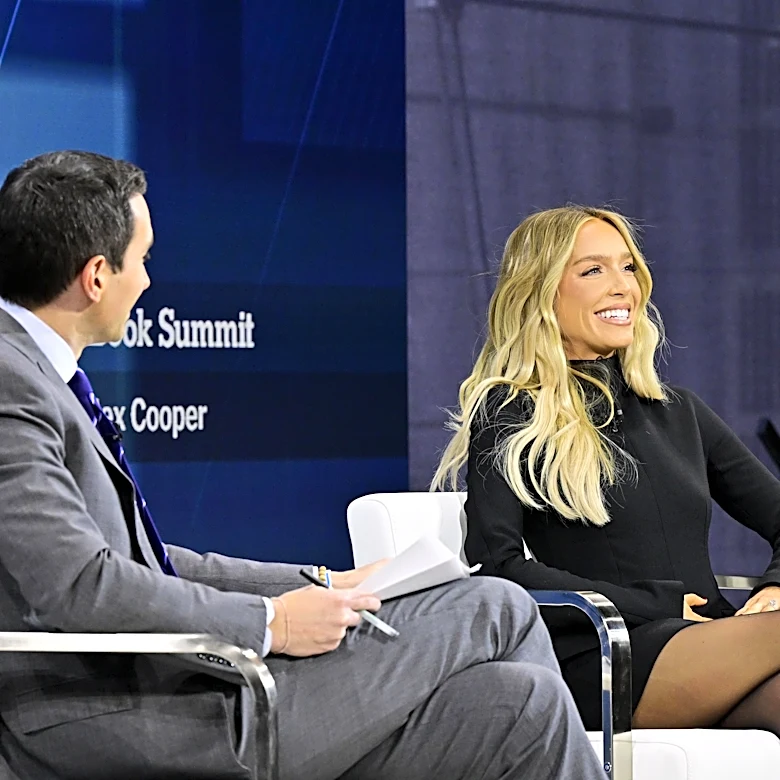
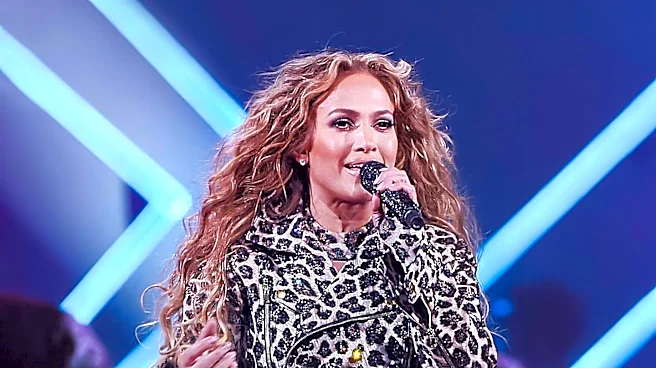
Jennifer Lopez has revealed the racial barriers she encountered in Hollywood, stating that her success in box office hits did not automatically lead to a consistent flow of diverse movie offers. During a November 19 appearance on 'The New York Times’
Popcast,' Lopez addressed the common misconception that she received numerous acting opportunities. She explained that she often had to create her own roles because she was not a 'white actress,' a situation she believes largely persists today. Despite her leading roles in commercially successful films such as 'Selena' and 'The Wedding Planner,' Lopez found herself frequently typecast in romantic comedies. She expressed that she consistently had to contend for roles in the types of films she genuinely desired to participate in, indicating a persistent struggle for broader acting opportunities due to her Puerto Rican heritage.
Why It's Important?
Jennifer Lopez's statements highlight ongoing issues of racial bias and typecasting within the U.S. film industry. Her experience, despite significant commercial success and critical acclaim, underscores how actors from diverse backgrounds may face systemic limitations in the types of roles offered to them. This situation can restrict creative expression for artists and limit the range of stories and perspectives presented to audiences. For Hollywood, it suggests a continued need for introspection and reform regarding equitable casting practices and the development of diverse narratives. The industry's tendency to pigeonhole actors based on race or ethnicity can hinder career progression and perpetuate stereotypes, impacting both individual artists and the broader cultural landscape of American cinema.
What's Next?
Lopez's candid remarks may reignite discussions within Hollywood about diversity, equity, and inclusion in casting and production. While she has achieved significant success and a Golden Globe nomination for 'Hustlers,' her experience suggests that the industry still has progress to make. Her comments could encourage other actors from underrepresented groups to share their experiences, potentially leading to increased advocacy for more inclusive casting directors and production teams. Industry stakeholders, including studios and talent agencies, might face renewed pressure to review their practices and actively seek out and promote diverse talent for a wider array of roles, moving beyond traditional typecasting. This ongoing dialogue could influence future film development and talent representation strategies.
Beyond the Headlines
Lopez's narrative extends beyond individual career struggles, touching upon the deeper cultural and systemic issues within the entertainment industry. Her experience reflects a broader challenge where talent from minority backgrounds often has to exert extra effort to prove their versatility and secure roles outside of predefined categories. This can lead to a 'glass ceiling' effect, where even immense popularity and box office success do not fully dismantle racial barriers. The implication is that while representation has improved in some areas, the underlying structures that dictate who gets to tell what stories, and in what capacity, remain largely influenced by traditional biases. This ongoing struggle points to the need for fundamental shifts in industry power dynamics and creative decision-making processes.