




What's Happening?
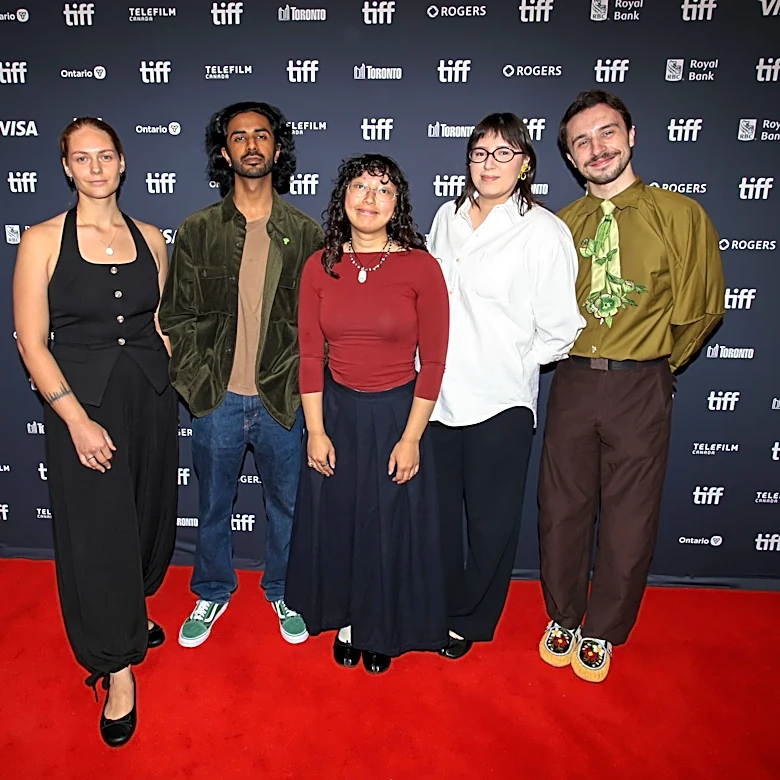
Lakshmipriya Devi's Meitei-language drama 'Boong' has won Best Children’s & Family Film at the 79th British Academy Film Awards (BAFTA) in February 2026, marking the first time an Indian film has received this prestigious award. The film, which had its
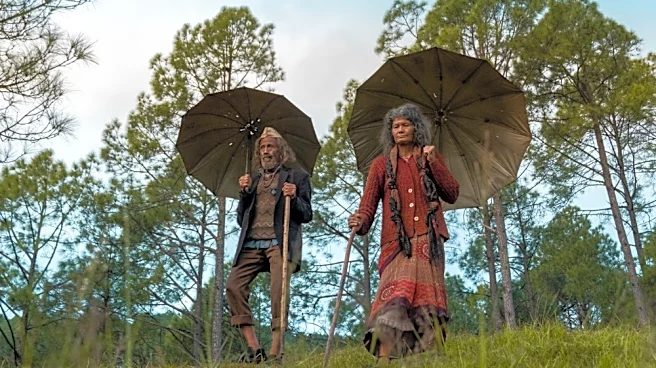
world premiere at the Toronto International Film Festival in September 2024, tells the story of a schoolboy named Boong in the Manipur valley who seeks to bring his father home from the India-Myanmar border as a special gift for his mother. After its BAFTA win, 'Boong' was re-released in Indian cinemas in March 2026 by Excel Entertainment and became the highest-grossing Manipuri film to date, surpassing ₹1 crore at the box office. The film has also continued to garner international recognition, including Best Feature Film at the South Asian Film, Literary and Cultural Festival in Washington D.C., where its lead actor, Gugun Kipgen, was named Best Young Talent. The film explores themes of identity, displacement, and belonging through a child's perspective, emphasizing closure and new beginnings.
Why It's Important?
The BAFTA win for 'Boong' is a significant milestone for Indian cinema, particularly for regional language films, as it brings global recognition to a production from Manipur. This achievement highlights the potential for diverse storytelling from India to resonate with international audiences and critics. For the Manipuri film industry, this award provides unprecedented visibility and validates its artistic merit on a global stage. The film's commercial success post-BAFTA re-release in India demonstrates that critical acclaim can translate into significant box office performance, potentially encouraging more investment and distribution opportunities for similar independent and regional productions. Furthermore, the film's success at festivals in the U.S., such as in Washington D.C., indicates a growing appreciation for South Asian narratives among American audiences, fostering cultural exchange and understanding. The film's director, Lakshmipriya Devi, views such major awards as crucial for the survival and wider reach of films that might otherwise struggle for visibility.
What's Next?
Following its successful re-release and continued festival circuit, the producers of 'Boong' are expected to explore broader distribution avenues to ensure the film reaches a wider audience. While it had a brief streaming run on MUBI during its festival phase, the director has expressed a desire for the film to be widely seen, suggesting potential future streaming deals or expanded theatrical releases. The BAFTA win may also open doors for Lakshmipriya Devi, potentially changing industry perceptions of her as a filmmaker and leading to new projects. The film's ongoing success could inspire other regional filmmakers in India to pursue international recognition, fostering a more diverse landscape in global cinema. The continued collection of festival honors, including those in the U.S., indicates sustained interest and potential for further screenings and awards in various international forums.
Beyond the Headlines
The success of 'Boong' transcends its cinematic achievements, offering deeper insights into the power of storytelling from marginalized regions. Lakshmipriya Devi's initial intention to write the story as a personal diary, later evolving into a film that addresses complex themes like identity and displacement through a child's eyes, underscores the universal appeal of authentic narratives. The film's production, involving cast and crew from different communities in Manipur, maintained a spirit of unity even amidst ethnic conflict in the state, highlighting cinema's potential as a unifying force. The director's cautious approach to politics, emphasizing that 'when you don’t have a voice, that is political,' reflects a nuanced understanding of societal dynamics. The film's journey from a personal memory to a global award-winner serves as a powerful reminder of Manipur's cultural richness and resilience, bringing a human face to a region often overlooked in mainstream discourse.