


What's Happening?
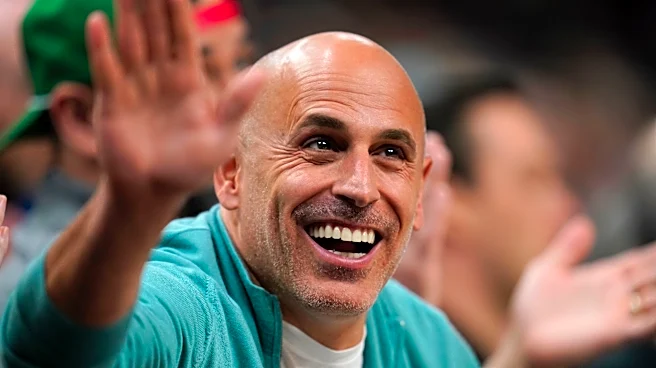
Micky Arison is identified as the owner of the Miami Heat, a professional basketball team competing in the National Basketball Association (NBA). The Miami Heat is part of the Eastern Conference and specifically belongs to the Southeast Division. This
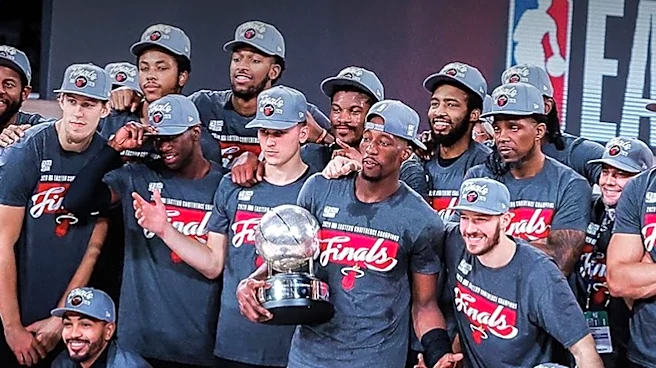
division includes other teams such as the Atlanta Hawks, Charlotte Hornets, Washington Wizards, and Orlando Magic. The team entered the NBA as an expansion team in 1988 alongside the Charlotte Hornets. After initial struggles, the team's fortunes saw a significant turnaround following its acquisition by Carnival Cruise Lines in 1995. The Miami Heat has a notable history, including reaching the Conference Finals and winning their first NBA title in 2006. They later achieved further success with the formation of the 'Big 3' in 2010, securing two more championships in 2012 and 2013. The team's current president is Pat Riley, and Erik Spoelstra has served as the head coach since 2008.
Why It's Important?
The ownership of a major professional sports franchise like the Miami Heat by an individual such as Micky Arison highlights the significant financial investment and influence of private entities in the U.S. sports industry. The success and operational stability of NBA teams contribute to local economies through job creation, tourism, and entertainment revenue. The team's history, including its acquisition by Carnival Cruise Lines, demonstrates how corporate ownership can impact a franchise's trajectory and financial health. The Miami Heat's consistent performance and championship wins not only generate substantial revenue for the league and its owners but also foster community pride and engagement among fans. The team's sponsorships with companies like Ultimate Software, Tissot, and Dell further illustrate the economic ecosystem surrounding professional sports, where brand partnerships are crucial for financial viability and market reach. This dynamic interplay between ownership, team performance, and corporate sponsorship underscores the economic importance of sports franchises in the U.S.
What's Next?
The Miami Heat, under Micky Arison's ownership, will continue to compete in the NBA's Eastern Conference, aiming for further success in upcoming seasons. The team's management, led by President Pat Riley and Head Coach Erik Spoelstra, will focus on roster development, strategic player acquisitions, and on-court performance to maintain competitiveness. As a prominent franchise, the Heat will likely continue to engage in various marketing and community initiatives, leveraging its brand to attract new fans and strengthen existing relationships. Future developments may include potential changes in player personnel, coaching staff, or sponsorship deals, all of which are common in the dynamic landscape of professional sports. The team's ongoing pursuit of championships will drive fan engagement and media attention, influencing its financial performance and overall standing within the league. The continued operation and success of the Miami Heat will also contribute to the broader economic activity in its home city.
Beyond the Headlines
The ownership of a major sports team like the Miami Heat by an individual such as Micky Arison extends beyond mere financial investment; it represents a significant cultural and social influence. Professional sports franchises often serve as symbols of civic identity and pride, fostering a sense of community among diverse populations. The team's history of success, including multiple championships, contributes to a shared narrative and collective memory for its fan base. Furthermore, the business model of professional sports, involving substantial media rights, merchandising, and corporate sponsorships, reflects broader trends in entertainment and consumer culture. The impact of team ownership can also be seen in philanthropic efforts and community outreach programs, where franchises often play a role in local development and social initiatives. The long-term stability and success of the Miami Heat under its current ownership structure underscore the enduring appeal and economic power of professional basketball in the United States.