





What's Happening?
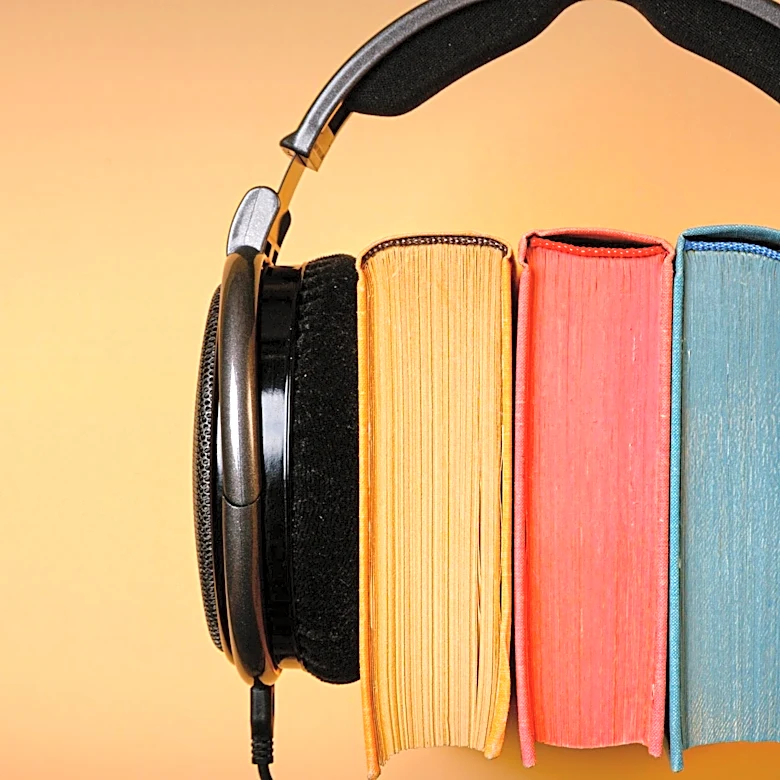
The audiobook market is experiencing significant growth and evolution, with a rising demand for immersive listening experiences. Publishers and content creators are responding by producing more elaborate audiobooks that incorporate full-cast narrations,
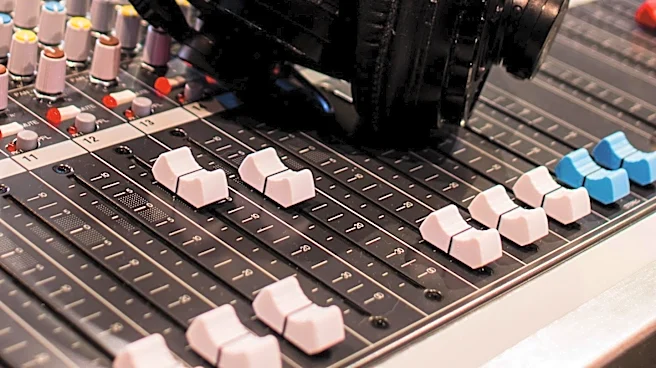
sound effects, and musical scores. This trend is transforming audiobooks into a format that closely resembles a 'movie for your ears,' as described by USA TODAY. Companies like Audible are observing that while traditional single-narration audiobooks maintain steady sales, multi-cast and dramatized versions are seeing higher completion rates, particularly within the romantasy genre. The production timelines for these immersive audiobooks are also expanding, with some taking up to a year to complete, compared to two to three months for standard narrations. This shift involves extensive casting processes, sometimes including Hollywood actors and Broadway performers, and detailed sound engineering, such as recording real-world ambient sounds and utilizing 360 audio technology.
Why It's Important?
This evolution in audiobooks holds significant implications for the entertainment and publishing industries in the U.S. It signifies a convergence of traditional publishing with cinematic production techniques, blurring the lines between books, audio dramas, and film. For consumers, it offers a richer, more engaging way to consume stories, potentially attracting new audiences who might find traditional reading less appealing or who seek entertainment that can be enjoyed on the go without screen fatigue. The increased production value and involvement of notable talent could elevate the status of audiobooks as a primary form of entertainment, competing more directly with other media like television and movies. This trend also creates new opportunities for voice actors, sound designers, and audio engineers, expanding the creative and technical workforce within the audio content sector. Furthermore, the higher completion rates for immersive audiobooks suggest that this format effectively captures and retains listener attention, which is crucial for content creators in a competitive media landscape.
What's Next?
The trajectory for audiobooks points towards continued innovation in production and content. Publishers are likely to invest further in high-quality, immersive productions, potentially making them a standard offering rather than a niche. We can anticipate more collaborations between publishing houses and entertainment industry professionals, including film and theater actors, directors, and sound engineers. The integration of advanced audio technologies, such as spatial audio, will likely become more prevalent to enhance the listener's experience. Additionally, the success of specific genres like 'romantasy' in the immersive format may lead to a strategic focus on producing similar content to meet consumer demand. The expansion of audio-focused platforms and services, including those offering audio erotica, indicates a broader exploration of audio as a versatile medium for various storytelling forms. This could also lead to more personalized recommendations and curated content experiences for listeners, as seen with Audible's 'storytender' concept.
Beyond the Headlines
The rise of immersive audiobooks reflects a deeper cultural shift in how audiences engage with narratives and consume media. In an increasingly screen-saturated world, audiobooks offer a unique blend of convenience and imaginative engagement, allowing for 'screen-free' entertainment that can be integrated into daily activities. This format also democratizes access to high-quality storytelling, potentially reaching individuals who face barriers to traditional reading, such as visual impairments or learning differences. The emphasis on sound design and vocal performance elevates the art of oral storytelling, highlighting the power of the human voice and auditory cues in conveying emotion and atmosphere. Moreover, the trend suggests a growing appreciation for sensory experiences in media, moving beyond purely visual or textual consumption. This could influence other forms of media, encouraging more multi-sensory approaches to content creation and delivery across the entertainment spectrum.