




What's Happening?
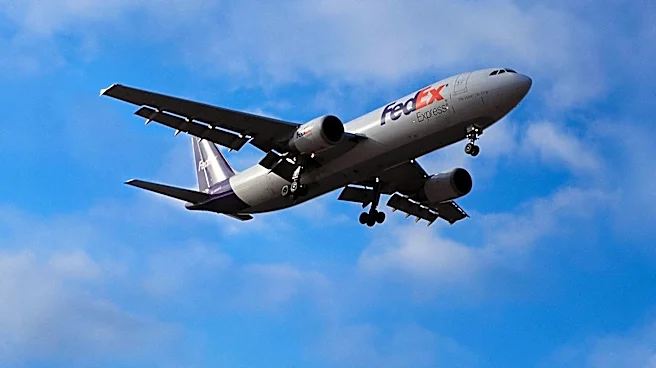
FedEx is actively recruiting a Customs Agent for its operations in Apodaca, Nuevo León, Mexico. This role is crucial for ensuring the timely and compliant processing of international air cargo. The Customs Agent will be responsible for preparing all necessary
customs forms for import, export, and transit procedures, including master guides, cargo manifests, general declarations, and invoices. They will also detail customs duties, taxes, and VAT, and prepare international manifests to facilitate cargo release. A key aspect of the position involves ensuring full compliance with country policies, tax laws, and FedEx's internal rules and procedures. The agent will interact with customs officials, coordinate activities with internal staff, and communicate with customers regarding information and additional tax payments. The role also entails maintaining organized customs documentation, classifying and transferring cargo to other airlines when required, processing flight information through customs computer systems, tracking shipments, and managing inventory in urgent shipping warehouses. Candidates are expected to have a Bachelor's degree in international trade or a related field, along with at least two years of experience in air cargo handling, customs laws, and clearance processes at the airport.
Why It's Important?
This recruitment highlights the critical importance of efficient customs operations in international logistics and trade, particularly for major global carriers like FedEx. The role directly impacts the speed and reliability of cross-border shipments, which are vital for businesses relying on global supply chains. Delays or non-compliance in customs procedures can lead to significant financial penalties, disruptions in delivery schedules, and damage to a company's reputation. For U.S. businesses engaged in trade with Mexico, the effectiveness of such customs agents at key logistical hubs like Apodaca directly influences their ability to import and export goods smoothly. The demand for skilled professionals in this area underscores the complexity of international trade regulations and the continuous need for expertise to navigate them. This position also reflects the ongoing investment by logistics companies in optimizing their international networks to support global commerce, ensuring that goods move efficiently across borders and meet regulatory requirements.
What's Next?
The successful candidate will undergo training to integrate into FedEx's existing international logistics framework, focusing on specific operational protocols and compliance standards relevant to Mexican customs. The immediate next step for the new Customs Agent will be to assume responsibility for the administrative and coordination tasks related to front-line operations, including data entry, ramp activities, and customer service. They will be expected to quickly establish effective working relationships with customs officials and internal teams to streamline cargo processing. Over time, the agent will contribute to the continuous improvement of customs clearance processes, potentially identifying areas for greater efficiency or compliance enhancement. The ongoing need for such roles suggests a sustained focus by FedEx on strengthening its international trade capabilities and adapting to evolving customs regulations to maintain its competitive edge in the global shipping industry.
Beyond the Headlines
The hiring of a Customs Agent in Mexico by a U.S.-based global logistics giant like FedEx underscores the intricate web of international trade and the increasing reliance on specialized expertise to manage its complexities. Beyond the immediate operational benefits, this role reflects broader trends in global commerce, including the push for faster delivery times, heightened security measures, and stricter regulatory enforcement. The need for professionals who can navigate diverse legal frameworks and cultural nuances in international trade highlights the growing demand for interdisciplinary skills combining legal knowledge, logistical understanding, and cross-cultural communication. This position also implicitly addresses the challenges of managing supply chain resilience in an era of geopolitical shifts and economic uncertainties, where efficient customs clearance can be a significant differentiator for businesses operating across borders. The emphasis on compliance also points to the ethical imperative for companies to adhere to international laws and contribute to legitimate trade practices.