








What's Happening?
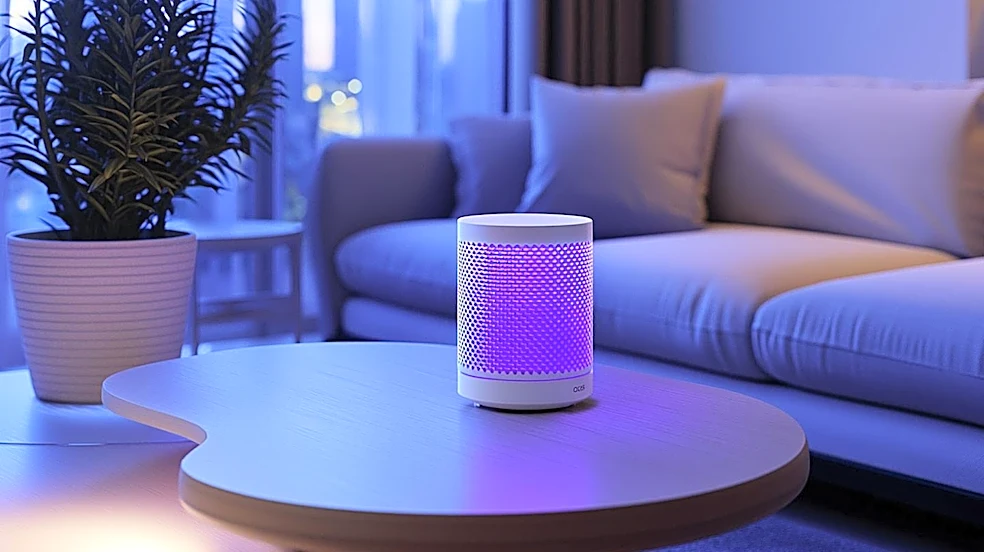
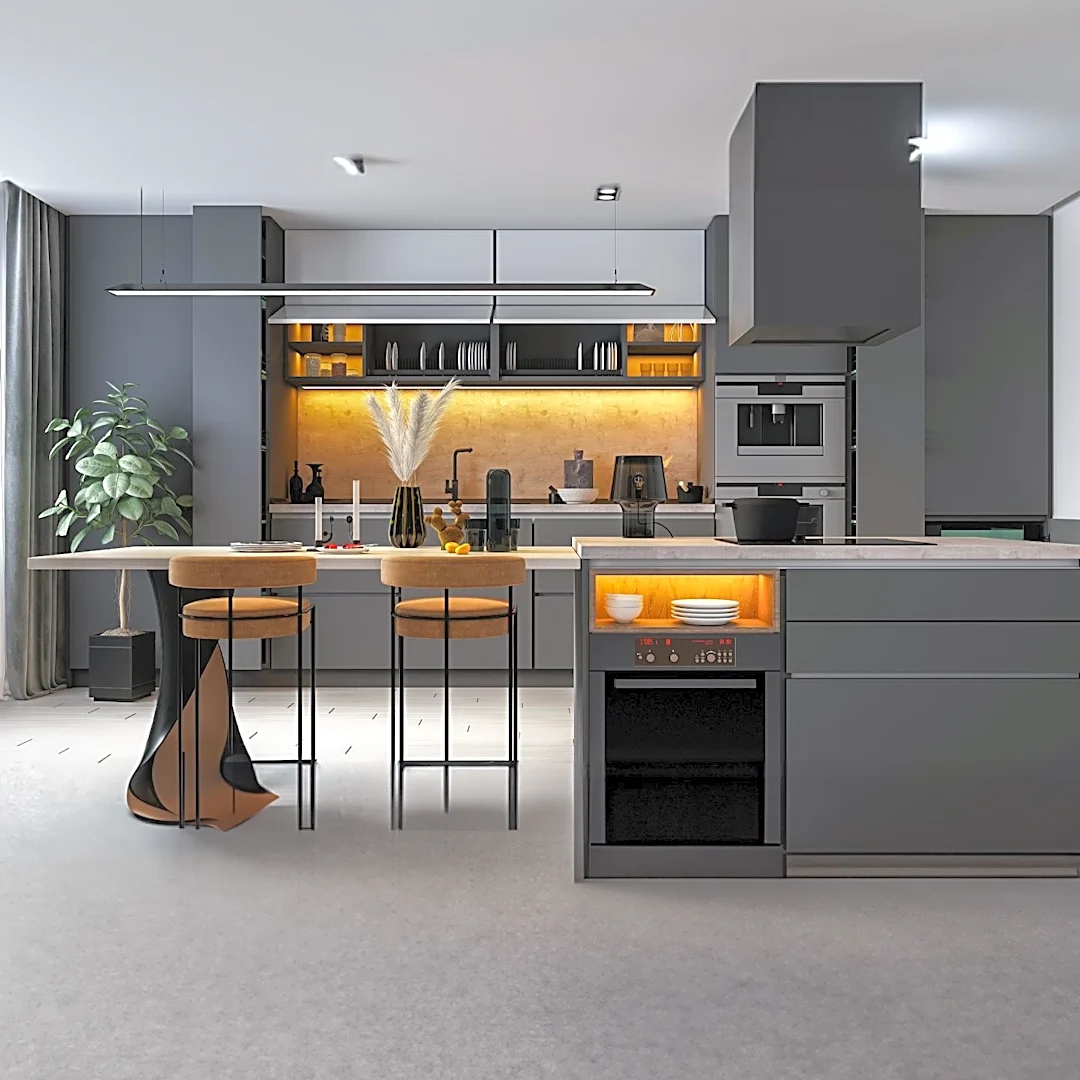
Home lighting automation is evolving residences into smart environments where lighting systems operate autonomously. These systems utilize schedules, sensors, voice commands, and smartphone applications to control lights, offering convenience and efficiency.
Instead of manual switches, smart bulbs, dimmers, and plugs connect wirelessly via Wi-Fi or a smart hub to adjust lighting based on time, motion, or predefined routines. This technology aims to eliminate common inconveniences such as fumbling for light switches in the dark or leaving lights on unnecessarily. Homeowners are increasingly adopting these systems for practical benefits, including energy savings through automatic shut-off when rooms are vacant, enhanced security by simulating occupancy with randomized lighting schedules, and improved comfort through customizable ambiance settings. The core components of a smart lighting setup include smart bulbs, switches, or plugs, a central control hub or app, and various sensors and triggers that bring automation to life, such as motion sensors and sunrise/sunset data integration.
Why It's Important?
The widespread adoption of home lighting automation signifies a significant shift in how U.S. households manage their living spaces, impacting energy consumption, home security, and daily convenience. For consumers, this technology offers tangible benefits like reduced electricity bills due to optimized lighting usage and increased peace of mind through enhanced security features that deter potential intruders. The convenience factor is substantial, freeing residents from manual light control and allowing for personalized environments that adapt to their routines. For the smart home industry, this trend drives innovation and market growth, as manufacturers develop more sophisticated and integrated lighting solutions. The accessibility aspect, particularly for elderly individuals or those with mobility challenges, highlights the technology's potential to improve quality of life. As more homes integrate these systems, it contributes to a broader movement towards energy-efficient and technologically advanced residential infrastructure across the nation.
What's Next?
The future of home lighting automation is expected to involve greater integration with other smart home devices and more sophisticated AI-driven functionalities. Homeowners will likely see more seamless interoperability between lighting systems, thermostats, security cameras, and entertainment systems, allowing for comprehensive home automation routines. For instance, a 'Good Morning' routine could simultaneously brighten bedroom lights, activate kitchen lights, and open blinds, all triggered by an alarm. The industry will continue to focus on user-friendly interfaces and simplified setup processes to encourage broader adoption. Furthermore, advancements in sensor technology and predictive analytics could lead to lighting systems that anticipate user needs more accurately, adjusting based on learned behaviors and environmental factors. As the technology matures, there will be an increased emphasis on robust local control options to ensure functionality even during internet outages, addressing a key concern for many users.
Beyond the Headlines
Beyond the immediate benefits, the proliferation of home lighting automation raises broader implications concerning data privacy, technological dependency, and the evolving definition of a 'smart' living space. As these systems collect data on occupancy patterns and energy usage, questions about how this data is stored, used, and protected become increasingly relevant. The reliance on interconnected devices also highlights potential vulnerabilities to cyber threats, necessitating robust security measures from manufacturers. Culturally, the shift towards automated homes could redefine daily routines and expectations of convenience, potentially leading to a decreased awareness of energy consumption if not managed thoughtfully. The long-term impact on residential architecture and design may also be significant, with new homes being built with integrated smart infrastructure as a standard rather than an add-on. This technological evolution pushes society to consider the balance between convenience, privacy, and security in an increasingly connected world.