









What's Happening?
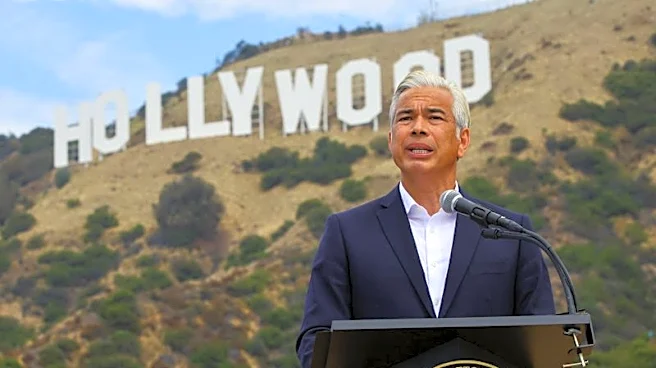
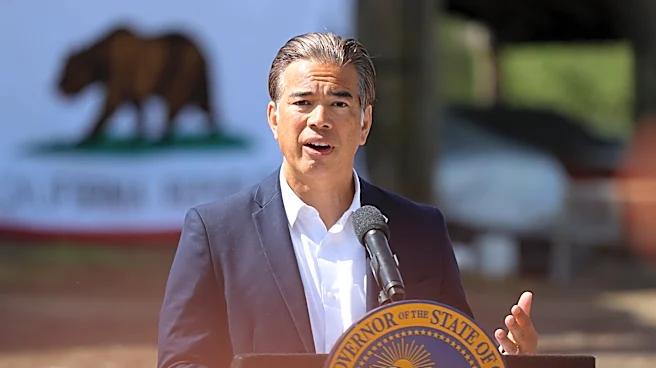
Twelve Democratic-led states have filed a lawsuit to block Paramount's $110 billion acquisition of Warner Bros. Discovery, arguing that the merger violates antitrust laws. The lawsuit, led by California Attorney General Rob Bonta, claims the merger would
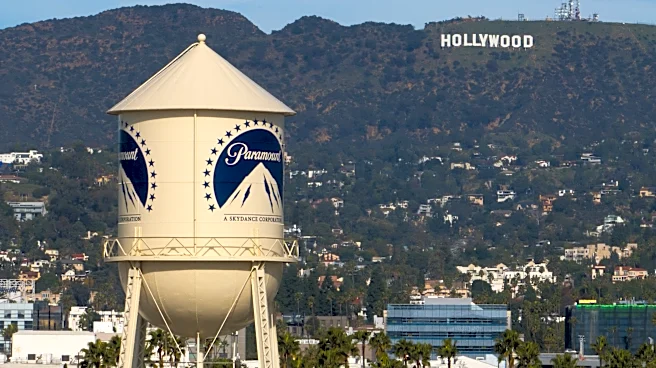
substantially lessen competition in the film and television industry, potentially creating a monopoly. The states involved include Oregon, Arizona, Colorado, Connecticut, Massachusetts, Minnesota, Nevada, New Jersey, New Mexico, New York, and Washington. The merger, which has already received federal approval from the U.S. Department of Justice, is being challenged on the grounds that it would lead to higher prices and reduced content quality for consumers. The states argue that the merger would consolidate two of Hollywood's major media distributors, controlling nearly one-third of the U.S. market for movies and cable programming.
Why It's Important?
The lawsuit highlights significant concerns about market consolidation in the entertainment industry, which could have widespread implications for consumers and smaller businesses. If the merger proceeds, it could lead to higher prices for movie tickets and cable subscriptions, as well as reduced diversity in film and television content. This consolidation could also impact small, independent movie theaters, which may struggle to compete with fewer films available. The case underscores the role of state governments in enforcing antitrust laws, especially when federal authorities have approved such mergers. The outcome of this lawsuit could set a precedent for future mergers in the media industry and influence how antitrust laws are applied in similar cases.
What's Next?
The states are seeking a temporary restraining order to halt the merger while the lawsuit is ongoing. If successful, this could delay or potentially prevent the merger from being finalized. The legal battle may prompt further scrutiny of large-scale mergers in the media industry, potentially influencing future regulatory decisions. Stakeholders, including movie theaters, cable providers, and consumers, will be closely watching the proceedings, as the outcome could significantly impact the availability and pricing of entertainment content. The case may also encourage other states to take a more active role in challenging mergers that they believe could harm competition.