



What's Happening?
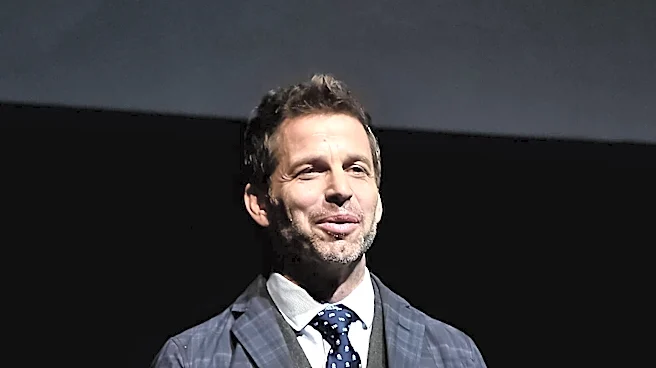
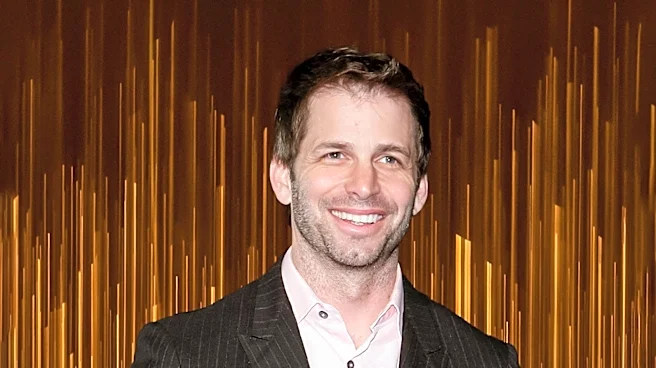
A former Warner Bros. executive has reportedly admitted to Zack Snyder that the studio was wrong in its approach to his vision for the DC Universe. Snyder revealed in an interview with Variety that this unnamed executive, who has since left the company,
told him, 'You were right about everything,' regarding the conflicts over his DC films. The executive acknowledged that Warner Bros. had been 'fighting' Snyder on his overall vision for the DC Universe and his filmmaking style. This admission sheds light on the long-standing creative differences between Snyder and the studio, particularly concerning the darker, more grounded narratives he intended for iconic characters like Superman and Batman. The conflict became most public during the production of 'Justice League,' from which Snyder stepped away due to a personal tragedy, leading to significant alterations to his original cut.
Why It's Important?
This revelation is significant as it validates Zack Snyder's perspective on the creative struggles he faced while developing the DC Extended Universe. For years, fans have debated the studio's interference and its impact on the critical and commercial performance of films like 'Justice League.' The executive's admission suggests an internal acknowledgment of missteps in managing a major cinematic franchise and a key creative talent. This situation highlights the complex dynamics between studio executives, who aim to protect valuable intellectual property and ensure commercial success, and filmmakers, who strive to realize their artistic visions. The outcome of these conflicts can profoundly affect the trajectory of major film franchises, influencing audience reception, critical consensus, and the long-term financial health of studios. It also underscores the potential for creative compromises to alienate both filmmakers and their dedicated fan bases.
What's Next?
While the executive's admission offers a form of vindication for Zack Snyder, it is unlikely to alter the current direction of the DC Universe. DC has since undergone a significant reboot under the leadership of James Gunn and Peter Safran, with new films like 'Superman' and 'Supergirl' marking a fresh start. Snyder himself has moved on from superhero films, focusing on other projects. The 'Snyder Cut' of 'Justice League' was eventually released due to immense fan pressure, providing a measure of closure for his original vision. However, the broader plans for his interconnected DC universe were never fully realized. This situation serves as a cautionary tale for studios regarding creative control and artist relations, potentially influencing how future major franchises are managed. The ongoing fan discussions and the executive's admission will likely remain a notable chapter in the history of superhero cinema.
Beyond the Headlines
The deeper implications of this story extend to the broader conversation about artistic integrity versus corporate control in Hollywood. The executive's admission highlights the inherent tension when a studio, driven by commercial interests and brand protection, clashes with a director's unique artistic interpretation of established characters. This conflict often leads to a diluted product that satisfies neither party fully and can result in significant financial and reputational costs. The 'Snyder Cut' movement, which ultimately led to the release of Snyder's original 'Justice League,' demonstrated the power of fan advocacy in influencing studio decisions, setting a precedent for how audiences might engage with creative disputes in the future. This episode also raises questions about the long-term impact of creative interference on a franchise's legacy and the potential for studios to regret short-sighted decisions in pursuit of immediate commercial gains.