

What's Happening?
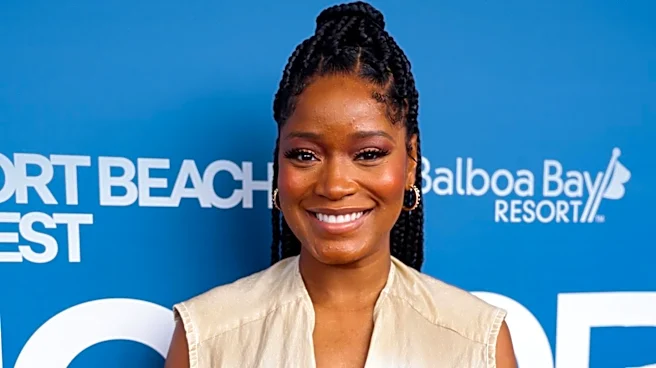
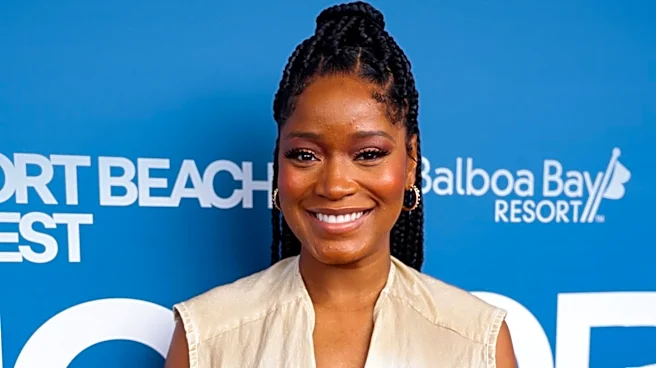
UK R&B artist kwn has issued an apology to American actress Keke Palmer after receiving online criticism for comments she made regarding Palmer being her 'celebrity crush.' During an earlier interview with Angie Martinez, kwn had named Palmer as her crush,
describing her as funny, sweet, and pretty. However, when the topic resurfaced in a recent Complex News interview, kwn stated that her original answer was 'kind of a joke' and that her team had suggested Palmer as a 'safe answer.' She then named 'Euphoria' actress Alexa Demie as her actual celebrity crush. These remarks led to mixed reactions online, with some social media users questioning the phrasing 'safe answer' and the characterization of the initial response as a 'joke.' The discussion also touched upon broader conversations about the representation and discourse surrounding Black women. Kwn has since addressed the backlash, confirming she privately apologized to Palmer and acknowledged that calling her initial answer a 'joke' was poor word choice, taking responsibility for the misunderstanding. She clarified that she had wanted to keep her actual crush private at the time of the first interview and reiterated her admiration for Palmer.
Why It's Important?
This incident highlights the significant impact of public statements by celebrities and the rapid response of social media in shaping public perception and discourse, particularly concerning issues of representation and respect. For Keke Palmer, a prominent American actress and public figure, being described as a 'safe answer' in a celebrity crush context, and the subsequent labeling of the original compliment as a 'joke,' can be perceived as dismissive or even disrespectful. This situation underscores the ongoing sensitivity and importance of how Black women are portrayed and discussed in media and public forums. The online backlash and subsequent apology demonstrate the power of collective audience reaction in holding public figures accountable for their words. It also reflects the broader cultural conversation around authenticity in celebrity interviews and the potential for miscommunication or misinterpretation in the digital age. The incident serves as a reminder for public figures to be mindful of their language and its potential implications, especially when discussing other individuals.
What's Next?
Keke Palmer has not yet publicly responded to kwn's apology, and her reaction, if any, will be a key next step in how this situation evolves. Depending on her response, the conversation could either subside or gain further traction. For kwn, the impact of this incident on her public image and future interviews will be closely watched. She may need to be more cautious and deliberate in her public statements to rebuild trust and avoid similar controversies. The broader discussion on social media regarding the representation of Black women is likely to continue, with this event potentially serving as a case study in future conversations about celebrity interactions and media portrayals. Other public figures and media outlets might also take note of the swift public reaction, potentially leading to more careful consideration of language and framing in celebrity interviews. The incident could also prompt further dialogue within the entertainment industry about the pressures celebrities face during interviews and the role of their teams in managing public perception.
Beyond the Headlines
Beyond the immediate apologies and public reactions, this event touches upon deeper societal issues concerning the objectification and commodification of public figures, particularly women of color, in the entertainment industry. The idea of a 'safe answer' in the context of a celebrity crush can inadvertently reduce an individual to a convenient or non-controversial choice, rather than acknowledging their genuine appeal or talent. This can contribute to a subtle form of dehumanization, where public figures are seen as tools for media narratives rather than individuals with feelings and agency. The swift and strong reaction from social media users also reflects a growing demand for authenticity and respect in public discourse, especially when it involves marginalized groups. It highlights the ongoing struggle against microaggressions and subtle forms of disrespect that can perpetuate harmful stereotypes. The incident serves as a microcosm of larger conversations about media ethics, the responsibilities of public figures, and the evolving landscape of celebrity culture in the age of instant digital feedback.