






What's Happening?
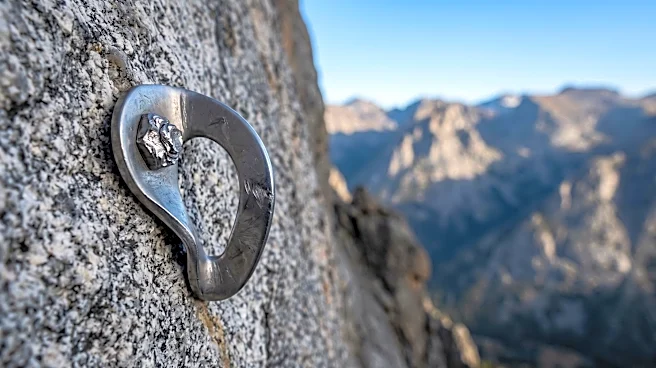
The Pikes Peak Climbers Alliance has issued a warning regarding significant damage to fixed anchors on rock climbing routes in the Old Stage Road area of Colorado. Multiple reports indicate that hangers and bolts have been smashed, mangled, or chopped,
and some are entirely missing. This deliberate damage poses a severe safety risk to climbers utilizing these routes. The affected areas include St. Peter's Dome (Martyr area) and routes near Mount Big Chief, though the problem may extend to other locations. Climbers are advised to thoroughly inspect all anchor hardware before relying on it for their safety. The Pikes Peak Climbers Alliance is urging anyone who discovers damaged or altered anchors to photograph the damage and submit a 'bad bolts' report to aid in documentation and repair efforts. The Old Stage Road area features approximately 267 climbs, with a mix of trad-style, sport climbing, top-rope, and bouldering options.
Why It's Important?
This incident highlights a critical safety concern within the U.S. outdoor recreation community, particularly for rock climbers. The intentional damage to safety equipment directly endangers lives, potentially leading to serious injury or death. For climbing organizations like the Pikes Peak Climbers Alliance, it creates an urgent need for resource allocation towards inspection, repair, and community awareness campaigns. This situation could deter climbers from visiting affected areas, impacting local economies that benefit from outdoor tourism. Furthermore, it raises questions about vandalism and the potential for malicious acts against outdoor enthusiasts, which could lead to increased surveillance or stricter regulations in climbing areas. The integrity of fixed anchors is paramount for climber safety, and any compromise undermines the trust climbers place in shared infrastructure, potentially altering climbing practices and access to certain routes.
What's Next?
The immediate next step involves continued vigilance from the climbing community, with climbers being urged to inspect anchors and report any damage. The Pikes Peak Climbers Alliance will likely continue to collect reports, assess the extent of the damage, and coordinate repair efforts. This may involve fundraising for new equipment and organizing volunteer work parties to replace compromised hardware. Law enforcement may also become involved if the damage is deemed criminal vandalism, leading to investigations to identify those responsible. In the long term, this incident could prompt broader discussions within the climbing community and land management agencies about securing fixed anchors, implementing preventative measures, and fostering a culture of respect for shared outdoor resources. Educational campaigns on the importance of not tampering with climbing infrastructure may also be initiated to prevent future occurrences.
Beyond the Headlines
Beyond the immediate safety implications, this act of vandalism touches upon deeper issues within the outdoor community, including potential conflicts between different user groups or individuals with grievances against climbing. The deliberate destruction of safety gear suggests a motive beyond simple mischief, possibly indicating a desire to restrict access, express dissent, or cause harm. This raises ethical questions about responsibility for shared resources and the impact of individual actions on collective safety and enjoyment. It also underscores the vulnerability of outdoor infrastructure to malicious acts and the challenges of policing vast natural areas. The incident could foster a stronger sense of community among climbers as they unite to address the threat, but it could also sow distrust and fear. Ultimately, it serves as a stark reminder of the importance of community stewardship and the potential for human actions to profoundly affect the safety and accessibility of natural recreational spaces.